How to Pack for Self-Storage: A Step-by-Step Guide

How to pack for Self-Storage

Searching for the correct way to pack your belongings for self-storage? This guide covers the key steps to ensure your items stay safe, organised, and easy to access. Follow these practical tips to make the most of your storage space.

Step 1: Prepare Your Items Properly for Long-Term Storage

No matter what you’re looking to pack into self-storage, it’s important to prepare your items properly.

  • Remove excess dust, dirt and build-up to give your items the best chance whilst they’re in storage.
  • Wash and dry any clothes and fabric items before you pack them away
  • Wipe down all appliances to ensure they’re free of dust
  • Take time to repair minor damages to prevent cracks or breaks in furniture getting worse during the moving process.
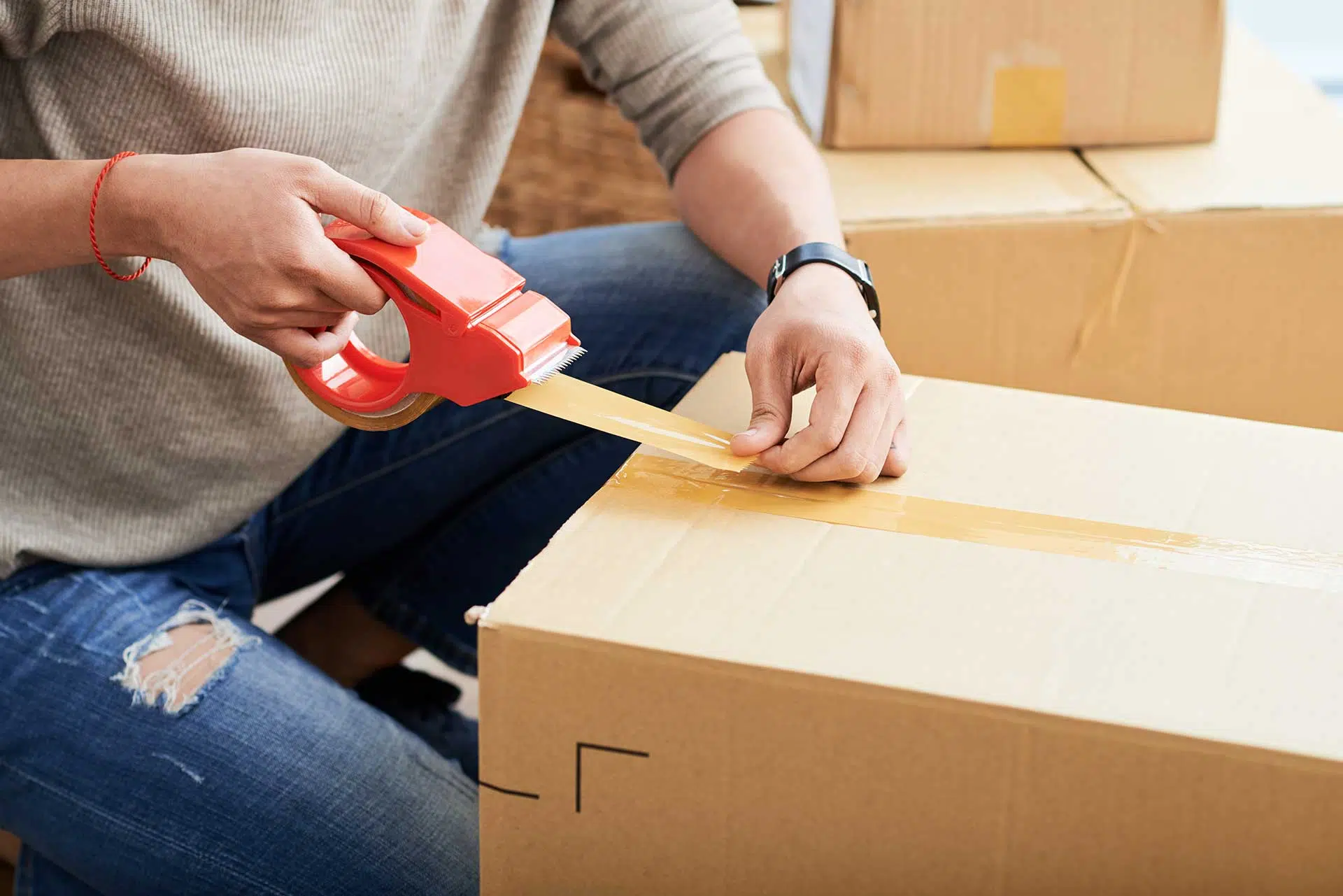
  • If you’re using boxes to pack smaller items, always make sure you have enough on hand before you start to pack! The last thing anyone wants during the packing process is to stop halfway through because you’ve run out of tape, packaging or boxes. We sell everything you need at your local Super Easy Storage – just give us a call.

Super Easy Storage. Storage Sorted.

Step 2: Decide If You’re Packing for Short- or Long-Term Storage

Ask yourself: are you storing things for the short or long term? If you keep this question in mind during the organisational process, it will make things so much easier in the long run. Separate your short-term and long-term storage items for ease of access. Place your short-term storage items towards the front, so you don’t have to dig through boxes and belongings just to get to what you need.

Step 3: Gather Supplies and Label Everything Before You Pack

This one might seem like a given, but if you’re packing items in boxes, make sure you label everything. There’s nothing worse than having to dig through box after box, just to find the item you’re after. Label your boxes with:

  • Quick description of items
  • The room it would generally live in (this will help when you eventually retrieve your items)
  • Who the items belong to
  • If it’s heavy or fragile

It’s a good idea to create an inventory of your items – just a handwritten list on paper will do (unless you want to get super advanced and whip out a spreadsheet) – so you know exactly what’s going into storage and when, without the need for a photographic memory.

Step 4: Pack Items by Category such as Books, Clothes, Appliances and Fragile Goods

When it comes to storing items, it’s important to consider what the item is made of, before you start the packing process. Apart from general wear and tear, some items are built to last forever, but what about that book collection? You can extend the life of your precious paper products by preparing and packing them correctly. Moisture, water, and pests like silverfish can reduce the life of your collection dramatically. When packing your books, especially if they are of the antique variety, check the pages for hidden, unwanted pests. It’s also worthwhile to wrap each book individually and utilise climate control methods to reduce the risk of humidity and moisture damage whilst in storage.

Super Easy Storage. Self-storage – Geelong.

Step 5: Wrap and Protect Furniture Using Moving Blankets

Moving blankets, or furniture padding, have many different uses when packing, moving, and storing items.

  • Add that extra layer of protection for bulkier items, like furniture you’d rather not scratch.
  • Protect not only the items they’re wrapped around, but your walls and floors during the move.
  • Provide that little bit of buffer during transport, reducing the risk of potential damage if bulkier items are packed close together.
  • When it comes to oddly shaped items (such as bicycles or bulky furniture) the blanket will contour to the exact shape you need, exactly when you need it.

Tips to Make Storage Even Easier For You

Maximise Your Space

A well-packed unit saves money, prevents damage and makes everything easier to find. Here are tips to make the most of your space:

  • Use boxes of similar size so they stack safely
  • Stand furniture upright to free up floor space
  • Place heavy boxes at the bottom for stability
  • Add shelves if you’re storing long-term
  • Leave a narrow walkway so you can reach the back

Protect Against Heat, Moisture and Pests

Australia’s climate can be rough on stored items – heat, humidity and even silverfish can all cause damage over time. A few simple precautions, including considering climate-controlled self storage, can help keep your belongings safe.

Keep your items safe by:

  • Using moisture absorbers to prevent mould
  • Storing fabrics, documents and electronics in sealed tubs
  • Keeping everything completely dry before packing
  • Adding cedar blocks or lavender sachets to deter insects
  • Avoiding scented or edible items that attract pests

Use Smart Techniques and Avoid Common Mistakes

Even small choices can make a big difference to how well your items survive in storage. Think of this step as your “quality check” before you close the unit door.

Smart techniques:

  • Use original boxes for electronics
  • Pad empty spaces in boxes with towels or linen
  • Photograph valuable items for easy reference later

Avoid these common mistakes:

  • Using flimsy supermarket boxes
  • Wrapping items in plastic bags (they trap moisture)
  • Mixing heavy and fragile items together
  • Labelling only one side of your boxes

These tweaks take seconds but prevent the most common storage issues.

Pack for Easy Access

A storage unit isn’t just for storing things – it should also be easy to use. A few thoughtful choices make retrieving items simple and stress-free.

Set yourself up for easy access by:

  • Keeping frequently used items near the front
  • Grouping similar items together (e.g., camping gear, tools, documents)
  • Storing seasonal items where you can see them
  • Leaving a small path so you can reach everything without unpacking the entire unit

This is especially helpful when packing smaller spaces, such as a 10×10 storage unit or portable storage module.

Ready to make storage easier? Let Super Easy Storage take the stress out of packing
Self Storage Sydney

If packing and organising feels like a lot, Super Easy Storage takes the hard work off your hands and gives you better value along the way:

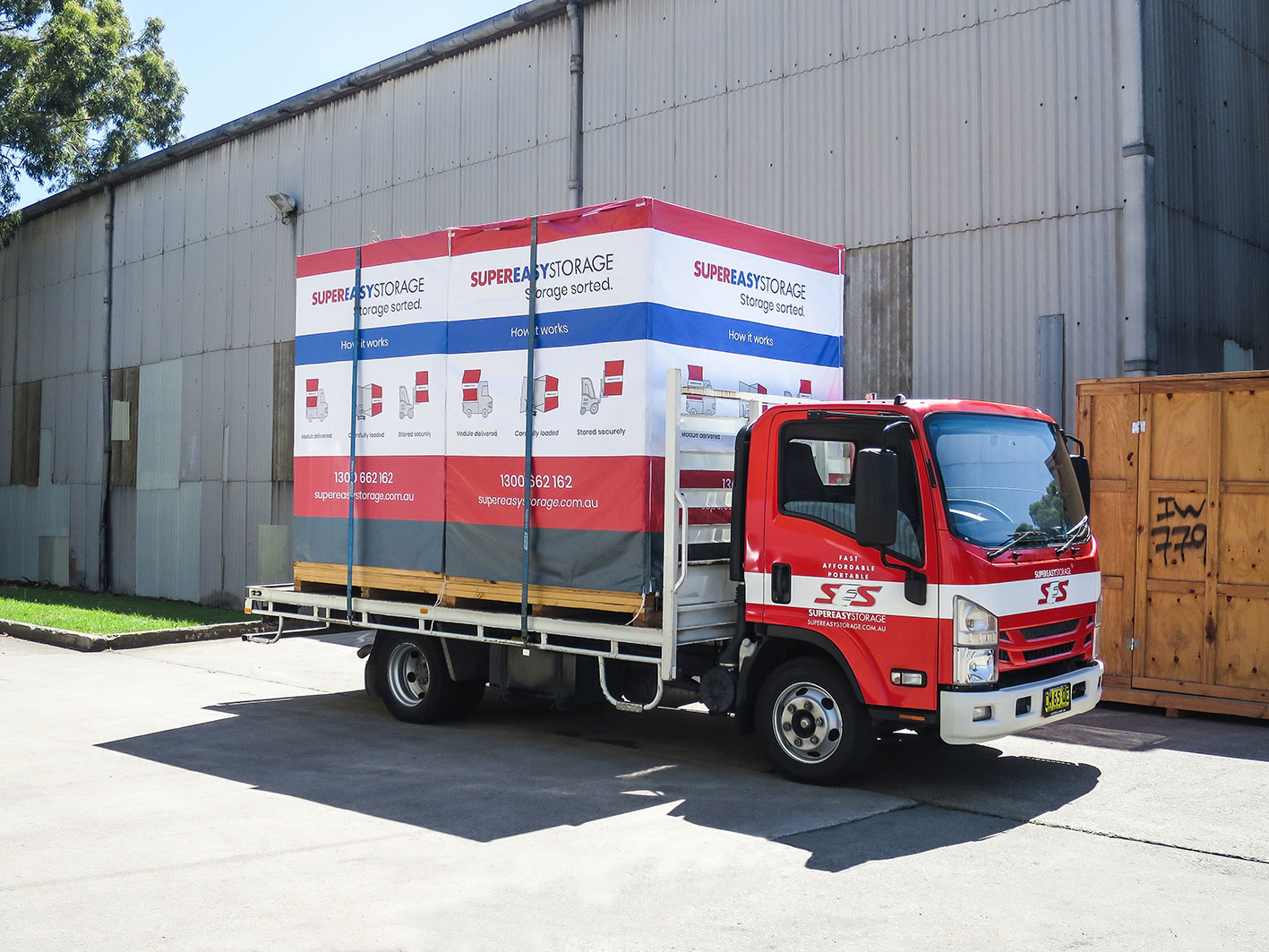
  • Mobile storage delivered to your door so you don’t have to hire trailers, lift heavy items, or drive across town.
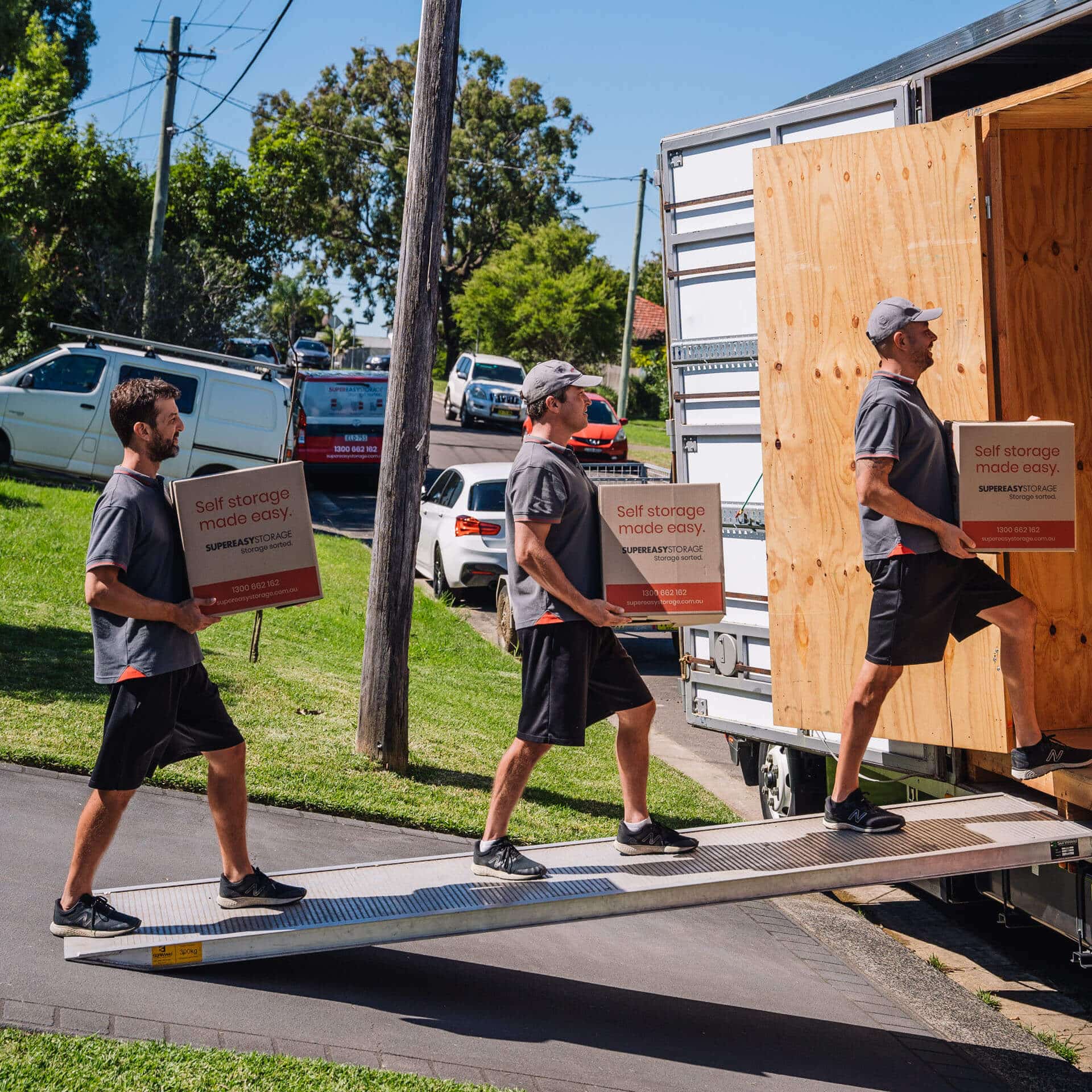
  • AFRA-certified loaders who pack professionally, making the whole process safer and far less stressful.
  • No lock-in contracts, giving you complete freedom to store for as long or as little as you like.
  • Cost-effective storage modules that let you pay only for the exact space you need – nothing wasted.
  • Secure Australian warehouses that keep your belongings protected, with controlled access for peace of mind.
  • Free protective blankets and minimal handling, helping reduce the risk of damage while keeping your items in great condition.

Skip the stress – Book professional mobile self- storage with Super Easy Storage, starting from $3.25 per day!


What is the Average Cost of Availing Self Storage Service in Sydney? (2026 Updated)

Average Cost of Availing Self Storage Service

Searching for self storage costs in Sydney and not sure what’s reasonable? Prices can vary a lot depending on location, unit size, and the type of storage you choose. To make things easier, this quick guide breaks down average Sydney storage prices and the key factors that influence what you’ll pay—so you can compare options confidently and avoid overspending.

Before You Choose a Storage Unit in Sydney, Here are Factors to Consider:

1/ Location

  • Storage costs are highest in the Sydney CBD, Inner West, and Eastern Suburbs due to high land values and limited commercial space.
  • Prices are generally lower in outer-metro suburbs where facilities have more room and lower operating costs.

2/ Unit Size

  • Pricing increases with unit size, and larger spaces cost significantly more per month.
  • Many renters unintentionally overspend by selecting a unit larger than necessary, especially when only fixed-size units are available.

3/ Storage Type

  • Climate-controlled units sit at the premium end because they maintain stable temperature and humidity levels.
  • Drive-up units fall in the mid-to-high range due to convenient vehicle access.
  • Mobile storage tends to be the most cost-efficient, as it eliminates truck hire, loading labour, and double handling.

4/ Access & Security

  • 24/7 access, gated entry, CCTV cameras, and individual alarms all increase operational costs for providers and therefore your monthly fee.
  • Facilities with advanced security and round-the-clock access typically charge more but offer greater convenience and peace of mind.

5/ Rental Duration

  • Most providers offer discounted rates for long-term bookings of 3, 6, or 12 months.
  • Longer commitments usually reduce the weekly or monthly price compared with short-term or flexible rentals.

Price Breakdown by Unit Size for Self-storage in Sydney

Storage prices in Sydney scale directly with the amount of space you rent, so the easiest way to understand what you’ll pay is to compare costs by unit size. Below is a clear, up-to-date breakdown of typical monthly pricing across the most common storage categories:

Unit CategoryExample SizeTypical Monthly Cost (Sydney 2025)Best For
Small Units (1–3 m²)1m x 1m locker$40–$120/monthDocuments, small boxes, seasonal items
1.5m x 1.5m cupboard$100–$300/monthStudents, apartment dwellers
Medium Units (4–7 m²)3m x 3m (half garage)$250–$675/month1–2 bedroom apartments
3m x 4.5m (three-quarter garage)$350–$1,100/monthSmall homes, commercial items
Large Units (8–20+ m²)3m x 6m (single garage)$600–$1,100/month3–4 bedroom homes
Oversized 20m²+$900–$2,450+/monthBusiness storage, vehicles, bulky goods
Mobile StorageMobile module delivered to home$159–$350/monthMoving house, long-term storage, cost-efficient alternatives

Source: Self Storage Performance Indicators; Self Storage Market Rate Flash

If Price Is Your Concern: Here are more Budget-Friendly Storage Options in Sydney

If cost is your biggest consideration, the good news is you don’t need a large, premium unit in an expensive postcode to store your belongings safely. Sydney offers several affordable alternatives that can bring your monthly storage bill down without sacrificing security or convenience.

1. Mobile Storage (Often 20–40% Cheaper Overall)

  • Typical cost: $159–$350/month
  • The module is delivered to your home, so you avoid removalist fees, truck hire and double handling.
  • A cost-efficient choice for moving, renovating or long-term storage.

2. Multiple Small Modules Instead of One Large Unit

  • Often cheaper than renting a single oversized unit.
  • Helps you avoid paying for unused space – a common issue with large fixed units.
  • Allows flexible expansion if your storage needs grow.
Super Easy Storage. Locations across Australia.

3. Downsize by Packing Smarter

  • Small units from $40–$300/month can be enough with efficient packing.
  • Use uniform, stackable boxes; store items vertically; disassemble furniture.
  • Dropping even one size category can save hundreds over a year.

4. Choose Facilities Outside High-Demand Suburbs

  • Western Sydney, South West Sydney, and the outer metro area can be 20–50% cheaper.
  • If you don’t need frequent access, choosing a slightly further suburb can dramatically reduce monthly fees.

5. Take Advantage of Seasonal Pricing

  • Winter and off-peak months often come with better deals and lower demand.
  • Prices typically rise during summer, peak moving periods and university cycles.

6. Opt for Limited-Access Units

  • Units without 24/7 access or premium entry systems generally cost less per month.
  • A practical option if you only need occasional access.

Tips to Save on Storage Costs in Sydney

How to downsize your home quickly | Super Easy Storage

If you want to reduce your monthly storage spend, these proven, practical strategies apply to almost every provider in Sydney:

  • Book early to lock in lower rates: Prices change with demand. Securing your unit ahead of time can help you avoid peak-period increases.
  • Use long-term discounts (6–12 months): Most major storage brands offer reduced rates when you commit for a longer period.
  • Compare nearby suburbs—not just the closest facility: High-demand areas (CBD, Inner West, Eastern Suburbs) are usually more expensive. Checking facilities just outside these zones can noticeably reduce your monthly fee.
  • Downsize your unit by packing more efficiently: Declutter, use uniform stackable boxes and dismantle bulky furniture. Dropping even one size category can meaningfully cut your monthly cost.
  • Check for hidden or optional fees: Ask about admin charges, lock/key fees, after-hours access fees and insurance requirements. Requesting a full breakdown upfront prevents surprises.
  • Avoid peak seasons if your timing is flexible: Storage demand spikes during summer, student move-over periods and end-of-financial-year transitions. Off-peak months generally offer more availability and better promotions.

Looking for an easier, more affordable way to store your things in Sydney?

Self Storage Sydney

Super Easy Storage delivers mobile modules straight to your door, so you save on transport and only pay for the space you use.

Why Do Sydney Customers Choose Super Easy Storage?

  • Door-to-you delivery: we bring the storage module to your home or business—no need to hire a van or travel to a facility.
  • Only pay for the space you use: our modular system prevents overpaying for empty square metres.
  • Flexible terms with no lock-in contracts: ideal for short-term or long-term needs.
  • Professional loading available: AFRA-accredited teams or DIY.
  • Safe, secure warehouse storage: with controlled access when you need it.
  • Free protective blankets included: saving you additional packing costs.
  • Over 100,000 customers served and thousands of verified reviews Australia-wide.

Store with Super Easy Storage and enjoy secure mobile self-storage in Sydney from just $3.25 per day.

How to Keep Documents Safe in a Self Storage Unit?​

docmunets are safe in a storage

Need a safe place to keep your important paperwork? Whether it’s tax records, legal files, certificates or business documents, storing them properly is the key to keeping them protected from damage. Self storage can be a great solution – if you prepare and pack your documents the right way.

In this guide, you’ll learn practical steps to keep your files secure, plus how to choose the best type of storage for long-term peace of mind.

Things to Note Before You Store Documents

Understand What Can Be Stored

Most paper-based items can be safely stored in a self-storage unit, including:

  • Tax records and financial statements
  • Legal documents, contracts and business files
  • Certificates, personal paperwork and archives
  • Receipts, manuals and reference records

Avoid storing irreplaceable originals (such as birth certificates or wills) unless they are secured inside a fireproof safe.

Know What Causes Document Damage

Paper is sensitive to:

  • Humidity and moisture, which lead to mould and warping
  • Excessive heat, which accelerates deterioration
  • Rodents and insects, which are attracted to cardboard
  • Light exposure, which fades text and ink
  • Repeated handling or moving

Understanding these risks helps you choose the right preparation and storage method.

Decide Whether Climate Control Is Necessary

If you are wondering: “Why do you need a climate controlled self storage unit?”, controlled temperature and humidity prevent mould, deterioration and curling.

Climate-controlled storage is strongly recommended for:

  • Long-term document storage
  • Paper archives
  • Legal or financial records
  • Thick volumes, invoices or bound documents
  • Humid or coastal environments

Choosing the Type of Storage Service

There are two main ways to store documents: traditional self-storage or mobile storage.

  • Traditional self-storage requires you to transport your documents to a facility and unload them into a unit.
  • Mobile storage delivers a module to your home or office, you load it once, and the sealed module is transported to a secure warehouse.

For sensitive, fragile or irreplaceable paperwork, mobile storage offers a far lower risk of damage because your documents are handled once, kept sealed and stored securely offsite.

AspectTraditional Self-StorageMobile Storage
TransportYou drive to the facility or hire moversModule delivered to your door
Handling StepsMultiple load/unload stagesLoaded once, then stored
Risk of DamageHigher from repeated handlingLower due to minimal movement
ConvenienceYou must travel to the unitNo travel; storage comes to you
SecurityDepends on facilitySealed module stored in secure warehouse
Best ForFrequent access to itemsLong-term, safe document storage

Step-by-Step Guide: How to Keep Documents Safe in a Self Storage Unit

Step 1: Prepare and Pack Your Documents Properly

Before anything goes into storage, prepare your paperwork with care.

  • Sort and assess what needs to be stored, archived or shredded.
  • File documents into labelled folders or binders grouped by category or date.
  • Use sturdy, sealed document boxes or plastic tubs instead of cardboard.
  • Add moisture absorbers like silica gel packs to reduce humidity inside containers.

Good packing is the foundation of long-term document protection.

Super Easy Storage. Box Shop.

Step 2: Organise and Label for Easy Retrieval

Proper organisation minimises handling and prevents wear and tear.

  • Label each box clearly with contents and packing date.
  • Use a consistent filing method (alphabetical, by year, project or department).
  • Create a simple inventory or spreadsheet listing all boxes and their contents.

This makes finding documents later much quicker and avoids unnecessary rummaging.

Step 3: Load and Position Items Safely in the Unit

Once your documents are ready, place them carefully inside the storage space.

  • Keep boxes off the ground by using shelving or pallets.
  • Avoid stacking too high so boxes don’t crush or topple.
  • Place heavier boxes at the bottom and lighter ones on top.
  • Keep boxes away from doors, windows or high-traffic areas inside the unit.

Thoughtful placement reduces the risk of condensation, damage or bending.

Super Easy Storage. Locations across Australia.

Step 4: Control Access to Your Documents

Managing who can reach your documents adds an extra layer of security.

  • Only share keys or access codes with people who genuinely need them.
  • For businesses, keep a simple sign-in/out log for anyone entering the unit.
  • Update access permissions if staff change roles or leave.

Limiting access reduces the chance of lost or misplaced files.

Step 5: Check and Maintain Your Storage Regularly

Even well-packed documents benefit from periodic inspection.

  • Inspect the unit every 6–12 months for moisture, mould, pests or box damage.
  • Replace silica gel packs or any containers starting to deteriorate.
  • Update your inventory when adding or removing files.
  • Discard outdated documents securely to keep the archive organised.

Regular maintenance ensures your documents stay in good condition over time.

Additional Tips for Long-Term Document Protection

  • Create digital backups: Keep scanned or digital versions of critical paperwork so you always have a secondary copy.
  • Use a fireproof safe for irreplaceable originals: Protect high-value or one-of-a-kind documents inside a fire-resistant or lockable container.
  • Minimise handling: Reduce how often documents are moved or accessed to prevent tears, creases or accidental misplacement.
  • Review document retention periods: Regularly check what legally needs to be kept so you don’t store unnecessary paperwork long term.
  • Protect fragile or ageing documents: Use archival sleeves or protective covers for items that are brittle, delicate or historically valuable.
  • Avoid scented or chemical products: Fragrances, oils and certain materials can transfer onto paper and cause discolouration over time.
  • Schedule seasonal inspections: Check stored documents after periods of extreme weather to ensure conditions remain stable.
  • Keep a light source in your unit: A small torch or portable light helps prevent accidental damage when retrieving items in dim spaces.
  • Maintain clear pathways: Ensure aisles remain unobstructed so boxes aren’t bumped, crushed or pulled forward accidentally.

Secure Your Documents the Easy Way with Super Easy Storage

Protecting important paperwork shouldn’t be complicated. With Super Easy Storage – Australia’s largest mobile self-storage operator — your module arrives at your door, you load once (or let our AFRA-certified team handle it), and we store everything securely in our monitored warehouse.

Why Australians Choose Super Easy Storage:

  • Door-to-you delivery — no hiring trailers or visiting storage centres
  • Single handling system reduces damage risk
  • Secure, monitored warehouses with controlled access
  • Only pay for the space you use
  • Free protective blankets included with every module
  • Trusted by 100,000+ customers
  • AFRA-certified loading teams available
  • Short- and long-term storage flexibility

No hidden fees. No lock-in contracts. No double handling. Storage from just $3.25/day in Sydney. Get your fast quote today and see how easy secure document storage can be.

Top 3 Effective Self-Storage Solutions for Home Remodeling

Finding enough space at home can be tough, especially when a renovation forces you to clear rooms or protect your belongings. If you’re running out of storage or looking for affordable options nearby, the right self-storage solution can make your renovation far easier. Here are the most effective ways to free up space and keep your items safe during the remodel.

1. External Storage Units

Maybe the solution to your storage problems lies outside your home. Investing in an external storage unit is something that can ease the burden on your home storage. You can look for a storage solution that fits your storage needs, and avail it if it lies in your budget. You can find a variety of storage solutions lying in different price ranges for availing a self storage unit in Sydney that you can enjoy.

Why it’s useful during home remodelling:

  • Frees up large areas of your home so tradespeople can work safely.
  • Protects furniture, appliances and valuables from dust, debris and damage.
  • Ideal for long renovations where items need to be kept off-site.
  • Offers flexible rental periods to match your renovation timeline.

Things to consider:

  • You’ll need to transport your items to and from the facility.
  • Costs vary depending on suburb and unit size.
  • Not ideal if you need to access your items frequently.
  • Packing and organising items properly will take time.

2. Organising Rack for Kitchen Storage

If you have a smaller kitchen with a lot of kitchen items like containers, kitchen furniture, boxes, utensils. and containers; then you could use a narrow pull-out storage cart that could be of great convenience and ease. It shall allow you to place compact cans of different stuff that currently occupy your main cabinets and shelves.

Why it’s useful during home remodelling:

  • Helps minimise kitchen clutter when cabinets or benchtops are being replaced.
  • Keeps everyday items within easy reach while the kitchen layout is disrupted.
  • Allows you to temporarily relocate essentials to another room if needed.
  • Makes the kitchen more manageable during partial renovations.

Things to consider:

  • Best suited for small items, not bulky kitchen appliances.
  • You may need more than one rack for a large household.
  • Not a long-term replacement for proper cabinetry.
  • Works best as a short-term organisational fix during renovation.

3. Multi-Purpose Furniture for Saving Space

Your extra household items and household goods can be replaced with multipurpose furniture such as foldable beds, bunk beds, or sofa beds. A foldable wall-hung bed is a great option to save additional space in your room. As you can put it back on the wall when you need free room space. Therefore, note down all the items in your house that only serve a single purpose and replace them with multipurpose items.

Why it’s useful during home remodelling:

  • Helps free up floor space while certain areas of the home are under construction
  • Reduces the number of bulky items that need to be moved or stored
  • Makes temporary living arrangements more comfortable
  • Ideal for small homes where space becomes tight during renovations

Things to consider:

  • Multi-purpose furniture can be more expensive upfront
  • Not all pieces are as sturdy or comfortable as standard furniture
  • May require installation (e.g., wall-hung foldable beds)
  • You’ll need to assess whether the furniture fits your long-term needs

At a Glance: Pros and Cons of the Top 3 Storage Methods

To help homeowners choose the right storage option during a renovation, we provide the table below, offering a clear overview of when each method works best along with the key pros and cons.

MethodWhen to Choose This OptionProsCons
1. External Storage UnitsWhen you need to clear full rooms or safeguard valuables during a medium–long renovation.• Frees up lots of space at home. • Protects belongings from dust and damage. • Flexible rental terms.• Requires transport to the facility. • Costs vary by size/location. • Limited access once stored.
2. Organising Rack for Kitchen StorageWhen your kitchen is being worked on and you still need quick access to daily items.• Reduces clutter. • Keeps essentials easy to reach. • Affordable and portable.• Only suits small items. • Temporary fix. • Limited capacity.
3. Multi-Purpose FurnitureWhen you want to maximise floor space or minimise bulky items during the remodel.• Saves space instantly. • Less to move or store. • Stays useful after the renovation.• Can be pricey. • Comfort/durability varies. • Some items need installation.

Make Your Renovation Easier With Australia’s Leading Mobile Self-Storage Service

When you’re remodelling, you need a storage solution that’s simple, flexible and reliable. Super Easy Storage stands out because our service is designed around convenience, protection and value – all the things homeowners need during a renovation.

Why People Choose Super Easy Storage During Home Remodelling?

  • Storage delivered to your door: No driving, no transport hassles. The module comes to you.
  • Less handling, less risk of damage: Items are loaded once and stay protected until your renovation is done.
  • Flexible, no lock-in contracts: Perfect for renovation timelines that shift or run longer than expected.
  • Pay only for the space you use: Our modular system keeps storage cost-efficient and transparent.
  • Secure warehouse storage: Your belongings stay safe in monitored facilities until you need them back.
  • Trusted Australia-wide: Over 100,000 customers and strong reviews for friendly, reliable service.

Protect your belongings during a renovation by exploring Super Easy Storage’s mobile self-storage services, starting from just $3.25 per day.

How Self-Storage Helps Small Businesses Grow Without Bigger Premises

How Self Storage Can Help Your Business Grow

Small business starts small, but it can soon get, well, big. Excess inventory, a new product line, or the need for extra security soon takes up as much mental space as physical.

The good news? Self-storage can help your business grow, without the overheads of a big warehouse or commercial office. Here’s how

1. Reduce Overheads and Avoid Leasing a Bigger Space

Commercial leases are expensive, especially for growing businesses. Increasing your storage capacity shouldn’t mean moving into a larger premises or signing a costly long-term lease.

Self storage offers a far more cost-effective alternative, allowing you to:

  • Rent just the amount of space you actually need
  • Scale up or down without penalty
  • Avoid long-term commitments
  • Reduce overheads while keeping operations running smoothly

2. Free Up Your Workspace and Boost Productivity

When stock or equipment starts piling up in your workshop, office, or shopfront, productivity and workflow take a hit. Staff spend more time working around clutter and less time serving customers or processing orders.

Offsite storage gives you the breathing room to:

  • Create a cleaner, more organised workspace
  • Improve staff efficiency
  • Maintain a more professional customer-facing environment
  • Reduce hazards in busy areas

A tidy space isn’t just more pleasant – it directly impacts the way your business operates day to day.

3. Store New or Seasonal Product Lines Without Losing Space

Growth often means trying new products or carrying more seasonal inventory. But not every business has the spare room to keep extra stock onsite.

Self storage makes it easy to:

  • Trial new product categories
  • Store seasonal items such as holiday stock
  • Hold onto slow-moving items without cluttering displays
  • Avoid discounting or clearing items just to free up space

Whether you’re a retailer planning for peak season or an ecommerce business preparing to scale, extra storage gives you more flexibility to grow on your own terms.

4. Keep Your Inventory Centralised and Organised

Storing stock in multiple places — the shop, home garage, back office, or random cupboards — is a recipe for misplaced items, double orders, and wasted time.

A single, centralised storage unit helps you:

  • Track stock more accurately
  • Improve fulfilment speed
  • Reduce errors and backorders
  • Keep your business running more efficiently

Better organisation means more time spent on the tasks that grow your business, not hunting for missing items.

5. Improve Security and Protect High-Value Stock

If you carry valuable stock, equipment or confidential documents, storing them at home or in unsecured backrooms comes with risk.

Most self storage facilities offer:

  • 24/7 surveillance
  • PIN-coded or restricted access
  • Alarmed units
  • Weather-protected storage
  • Professional monitoring

This extra level of protection keeps your assets safe, whether you’re storing tools, electronics, client files, or stock ready to ship.

These security features help safeguard your high-value items. You can learn more about what to look for in a secure facility in our guide on choosing the right self storage facility.

6. Support Business Expansion, Relocations or Renovations

As your business grows, your needs change. A storage unit can be extremely helpful during transitions such as:

  • Renovating or refitting your shop or office
  • Moving to a new location
  • Hiring additional staff and needing more desk space
  • Expanding your product offering

Temporary offsite storage keeps everything safe and out of the way so work can continue with minimal disruption.

7. Store Documents, Equipment or Tools You Don’t Need Daily

Even in a digital-first world, most businesses still need to hang onto physical items such as:

  • HR files and tax records
  • Samples or prototypes
  • Product packaging
  • Event equipment
  • Tools and trade gear

Self storage gives your business accessible, secure space for items you need occasionally — but not daily.

8. Useful for a Wide Range of Australian Businesses

The flexibility of self storage makes it suitable for almost any industry, including:

  • Retail and ecommerce
  • Trades and construction
  • Property styling and real estate
  • Event hire and exhibitions
  • Photography and creative services
  • Medical or allied health
  • Home-based and online businesses

If you’re a Sydney-based business looking for reliable, scalable options, our local guide to the best storage solutions in Sydney can help you compare choices.

Make Business Storage Easier With Super Easy Storage

Super Easy Storage

Super Easy Storage takes the hassle out of commercial storage by delivering the module straight to your office, warehouse, or job site. No transport, no removalists, no wasted time—just simple, mobile storage handled by Australia’s largest and most trusted mobile self-storage operator.

Why businesses choose Super Easy Storage:

  • We come to you – storage modules delivered directly to your workplace
  • No lock-in contracts – total flexibility for short- or long-term needs
  • Professional packing – AFRA-certified loaders available
  • Best-price value – pay only for the space you use
  • Secure warehouse storage – monitored, controlled access across Australia
  • Trusted by 100,000+ customers
  • Free protective blankets included – extra care at no extra cost

Take the stress out of business storage—get your fast, affordable quote today and see how easy Super Easy Storage makes it.

How to Use and Rent Self Storage Spaces in Sydney?​

Use and Rent Self Storage Spaces in Sydney

If you’ve ever renovated, downsized, or moved house in Sydney, you’ll know how quickly the clutter takes over. Self storage is a brilliant way to get some breathing room, but using a storage unit properly takes more than just packing a few boxes and dropping them off.

Most people make simple mistakes that end up costing time, money, or damaged belongings.

The good news? A few smart, Sydney-specific strategies can make your storage experience smooth, secure, and stress-free. Here are the expert tips locals use to get the absolute most out of their storage unit.

Things to Note About Using Self Storage in Sydney

Before you start, it helps to understand a few quirks about storing items in Sydney. These aren’t deal-breakers – just practical things most people don’t realise:

  • Facilities aren’t always close by, so you may need more than one trip.
  • Parking can be limited, especially in inner-city suburbs.
  • Loading areas get busy, and you may need to wait for lifts or trolleys.
  • You’ll handle your items multiple times when using a traditional facility.
  • Unit sizes can be hard to judge, which leads to choosing too big or too small.

These points are exactly why many Sydney residents prefer mobile storage, where the storage box is delivered to your home and most of the hassle disappears.

Super Easy Storage. Self-storage – Perth South.

A Simple Step-by-Step Guide on How to Use Self Storage in Sydney

Using storage in Sydney doesn’t need to be complicated. Follow these practical steps and you’ll avoid the usual stress that comes with tight streets, busy loading docks, and multiple trips.

Step 1: Choose the Storage Style That Fits Your Needs

Before anything else, decide how you want to store your items. The right choice can save you hours of effort.

Mobile Storage

For most Sydneysiders, mobile storage is the simplest option. The storage box is delivered to your home, you pack once, and it’s taken to a secure facility for you. This works especially well if you live in a busy suburb or don’t want the hassle of driving to a storage centre.

If you’re still comparing options, you can explore the best storage solutions in Sydney to see which style suits your situation.

Traditional Storage Facility

You drive your belongings to a storage unit yourself. This can work if you need frequent access or prefer to visit your unit regularly, but it does come with the extra loading and parking challenges typical in Sydney.

On-Site Containers

Useful only if you have the space to keep the container on your property.

Step 2: Choose the Right Size

Having the right size from the beginning prevents wasted money and unnecessary trips.

  • 1.5–2m²: boxes, small items
  • 3–4m²: one bedroom’s overflow
  • 6–7m²: small apartment contents
  • 9–10m²: 2–3 bedroom home
  • 15–20m²: full household or business stock

Mobile storage makes this simpler since each box holds roughly a studio to a small 1-bedroom home. Two boxes suit most 2-bedroom apartments.

To understand how unit size relates to pricing, take a look at this breakdown of the average cost of self storage in Sydney.

Step 3: Pack Your Items Properly

Good packing protects your belongings and helps you maximise space.

  • Use strong, uniform boxes for easy stacking
  • Wrap furniture with blankets instead of plastic to avoid moisture
  • Pack fragile items securely with padding
  • Label each box by room and contents
  • Make a simple inventory on your phone
  • For mobile storage, pack slightly tighter to prevent items from shifting in transit
Super Easy Storage. Locations across Australia.

Step 4: Load Your Storage Box or Unit Smartly

Whether you’re filling a storage unit or a mobile storage box, the loading method matters.

  • Place heavier, sturdy items at the bottom
  • Stack boxes in a solid, interlocking pattern
  • Keep items you might need later near the front
  • Use the full height of the space to maximise value
  • Keep fragile items higher and well-padded
  • Take a photo before closing the door so you know where everything is stored

If you want even more detail on organising your stored items, see this guide on how to use self storage spaces in Sydney.

Step 5: Arrange Pickup or Drop-Off

This step differs depending on the storage method you chose.

If you’re using mobile storage

  • Book a delivery window that suits your street or apartment timing
  • Have your items ready so you can load at your own pace
  • Direct the driver to the best placement spot (driveway, garage, kerb)
  • Once loaded, the provider transports the box to their secure storage facility
  • When you need your items again, request a simple re-delivery

If you’re using a traditional facility

  • Load your car or ute
  • Navigate parking, lifts, and corridors
  • Place your items in your unit and secure it with your lock
  • Keep your access code for future visits

Step 6: Check In When Needed

You won’t need to visit often, but it’s useful to:

  • Keep your inventory up to date
  • Note any items you might want access to later
  • For traditional storage, check your lock and ensure items haven’t shifted
  • For mobile storage, simply request re-delivery when you need your box back

Useful Tips for Using Self Storage in Sydney

Super Easy Storage. Self-storage – Canterbury Bankstown.

A few simple habits can make your storage experience smoother, safer, and more efficient.

  • Try to load during quieter hours, such as early morning or late afternoon, to avoid Sydney’s heavy traffic and parking limits.
  • Use high-quality packing materials, including sturdy boxes and breathable furniture covers, to protect your items from humidity and heat.
  • Keep a basic inventory of your items, using photos and numbered boxes, so you can quickly locate what you need later.
  • Place items you’ll need more often near the front of your unit or storage box, making access much easier.
  • Disassemble large furniture pieces to save space and reduce the risk of damage during loading and transport.
  • Avoid storing perishables or prohibited items, such as food, plants, flammables, or chemicals, as they can attract pests or breach facility rules.
  • Make use of vertical space by stacking boxes safely or using light shelving to maximise your storage capacity.
  • Take a photo of your packed unit before closing it, which helps with future access, repacking, or any insurance needs.

Take the Stress Out of Sydney Storage with Super Easy Storage

Super Easy Storage

Whether you’re renovating, decluttering, moving house, or storing business items, Super Easy Storage deliver the storage unit straight to your home – so you skip Sydney traffic, avoid parking issues, and forget about multiple trips to a facility.

Super Easy Storage mobile storage system lets you:

  • Get door-to-you delivery anywhere in Sydney
  • Load your items once for less risk of damage
  • Choose short- or long-term storage with no lock-in contracts
  • Check transparent pricing with our storage calculator
  • Book professional loading or pack everything yourself
  • Access your items easily from our secure Sydney warehouse

Get a free quote and enjoy mobile self-storage in Sydney delivered to your door, starting from just $3.25 today!

What Can’t Be Stored in a Storage Unit?​

What Can’t Be Stored in a Storage Unit

If you’re packing for storage, it’s easy to assume you can store almost anything. However, that’s not the case. Every self-storage facility in Australia has clear rules about what cannot be stored for safety, legal and hygiene reasons.

To save you guesswork (and avoid any surprises), here’s a simple guide to what can’t be stored in a storage unit and why.

1. Food, Perishables & Organic Materials

Why they’re not allowed

Food attracts pests, insects and rodents, causes odours, and can spoil or burst in hot weather. Even sealed items create contamination risks.

Examples

  • Fresh fruit and vegetables
  • Meat, seafood, eggs and dairy
  • Dry pantry goods (rice, grains, flour, pasta)
  • Canned goods and preserves
  • Pet food of any kind
  • Any perishable or decomposing material

Things to note

Food might seem harmless, but even sealed items can invite pests – and once they move in, they don’t stop at your unit.

2. Plants, Living Creatures & Biological Material

Why they’re not allowed

Storage units have no light, airflow or controlled temperature. Anything living will quickly deteriorate or die, creating health and hygiene risks.

Examples

  • Indoor or outdoor plants
  • Pets, animals, reptiles or insects
  • Seeds that may sprout
  • Human or animal remains (including ashes)
  • Biological, medical or bodily waste

Things to note

Storage units simply aren’t set up for anything living. They’re dark, enclosed and get quite warm – definitely not a friendly environment for plants or pets.

3. Hazardous, Flammable & Dangerous Goods

Why they’re not allowed

These goods can ignite, explode, leak harmful fumes or corrode other items. Temperature changes inside units increase the risks significantly.

Examples

  • Petrol, diesel, kerosene
  • LPG bottles, propane, butane and camping gas
  • Paint thinner, solvents and turpentine
  • Chlorine, bleach, ammonia and industrial cleaners
  • Fertilisers, pesticides, herbicides
  • Aerosol cans of any kind
  • Battery acid
  • Asbestos-containing materials
  • Radioactive materials

Things to note

A simple rule to remember: if the label says flammable, toxic or corrosive, it’s safer to keep it out of storage.

4. Weapons, Ammunition & Explosives

Why they’re not allowed

These items pose serious safety, security and legal risks and are strictly regulated under Australian law.

Examples

  • Firearms (unless stored in licensed firearm lockers)
  • Bullets, ammunition and shells
  • Fireworks and sparklers
  • Explosive devices, propellants or detonators
  • Military weapons or restricted items

Things to note

Anything that could go off, explode or cause harm belongs in a licensed facility – not a standard storage unit.

5. Illegal, Stolen or Prohibited Goods

Why they’re not allowed

Storing illegal items is a criminal offence. Facilities are required to report suspicious behaviour and cannot accept responsibility for unlawful goods.

Examples

  • Stolen goods
  • Drugs, controlled substances or drug equipment
  • Counterfeit or black-market products
  • Unlicensed or prohibited weapons
  • Any item illegal to possess in Australia

Things to note

If it’s illegal to own or handle, it’s illegal to store and facilities enforce these rules strictly to protect everyone.

6. Wet, Damp or Mould-Prone Items

Why they’re not allowed

Moisture creates mould, rust and structural damage, affecting both your belongings and nearby units.

Examples

  • Wet clothing, towels or linen
  • Damp mattresses or upholstery
  • Kayaks, wetsuits or scuba gear stored wet
  • Appliances that haven’t been drained
  • Furniture exposed to rain during moving

Things to note

A little moisture can turn into a big mould problem, so it’s always best to make sure everything is completely dry before storing.

7. Items Requiring Climate Control

Why they’re not allowed in standard units

Standard units in Australia are not temperature- or humidity-controlled. Heatwaves, cold snaps and moisture can damage sensitive items.

Examples

  • Artwork, photographs and prints
  • Musical instruments
  • Antiques, collectables or fine furniture
  • Leather goods
  • Electronics
  • Vinyl records
  • Wine and perishables that require stable temperature
  • Important documents

Things to note

If heat, humidity or cold could damage an item at home, it probably needs a climate-controlled unit rather than a regular one.

8. High-Value, Irreplaceable or Sentimental Items

Why they’re not allowed

The Self Storage Association of Australasia (SSAA) recommends avoiding storage of goods that cannot be replaced. Insurance coverage may also be limited or unavailable.

Examples

  • Cash and currency
  • Jewellery, gold or precious metals
  • Family heirlooms
  • Wills, deeds and identity documents
  • High-value artwork
  • Rare antiques or one-of-a-kind collectables

Things to note

If it’s something you’d be heartbroken to lose, it’s better kept somewhere more secure than a standard storage unit.

9. Vehicles With Safety or Compliance Issues

Why they’re not allowed

Vehicles with leaks, fuel, or registration issues pose fire, contamination and legal risks.

Examples

  • Unregistered cars or motorbikes
  • Machinery containing fuel (mowers, generators, boats)
  • Vehicles leaking oil, coolant or fuel
  • Boats or jet skis not drained or flushed

Things to note

If your vehicle isn’t road-ready or has leaks, it’s not storage-ready either – a quick check beforehand saves a lot of hassle.

10. Items That Produce Strong Odours

Why they’re not allowed

Strong smells seep through neighbouring units and attract pests, making the environment unpleasant and unsafe.

Examples

  • Rubbish or waste
  • Compost or organic matter
  • Uncleaned fridges or appliances
  • Containers of fuel, paint or chemicals
  • Items releasing strong fumes or odours

Things to note

Odours spread quickly in enclosed spaces, so anything with a strong smell is best stored elsewhere.

Not Sure What Can Be Stored? Ask Yourself These Questions

Use these questions to work out instantly whether an item is suitable for a storage unit:

  1. Could this item attract pests, rot, or decompose? If yes → it cannot be stored.
  2. Is the item flammable, explosive, corrosive or toxic? If yes → it is prohibited under storage and dangerous goods regulations.
  3. Does this item need stable temperature, humidity or ventilation? If yes → it is not safe in a standard storage unit.
  4. Would I be devastated if this item was damaged, lost or stolen? If yes → it’s better kept somewhere more secure.
  5. Is this item illegal, restricted or not permitted under Australian law? If yes → it cannot be stored under any circumstances.
  6. Is the item wet, damp or recently washed? If yes → it must be fully dried before storing.
  7. Does it contain fuel, oil or any liquid that could leak? If yes → it must be emptied or serviced before storage.
  8. Does the item produce strong smells or fumes? If yes → it is not suitable for an enclosed storage environment.

Want Storage Without the Guesswork or Extra Hassle?

Super Easy Storage

Working out what you can and can’t store can feel overwhelming – but it doesn’t have to be. Super Easy Storage delivers the module to your home, includes free protective blankets, and lets you choose between self-packing or professional AFRA-certified loading. With no lock-in contracts and a cost-efficient module system, you only pay for the space you actually use.

Explore Super Easy Storage mobile storage services and get your free quote today, starting from just $3.25!

What’s the Difference Between Mobile Self-storage and Traditional Self-storage?​

Mobile Self-Storage and Traditional Self-Storage

When you need to find storage – whether you’re renovating, moving house, or just needing for some extra space – it can be hard to work out the right option for you. Here, we break down the differences between mobile and traditional storage solutions to help you make an informed decision.

Mobile Self-storage (Portable Storage): What Is It?

As the name suggests, mobile self-storage is storage that comes to you. A secure unit or module is delivered to your home or workplace, you load it at your own pace, and it’s then collected and taken to a monitored storage facility.

This option is ideal for time-poor Australians, busy families and anyone who wants a stress-free, hands-off storage experience without hiring a vehicle or making repeated trips.

Key Benefits of Mobile Storage

  • The storage unit is delivered directly to your door
  • Load everything once with no double handling
  • Excellent for moving house, renovations, or long-term storage
  • Flexible timeframes with no truck or trailer hire required
  • Practical for metro areas and apartment living

At Super Easy Storage, we also offer an Australian-wide, premium mobile storage service. Our experienced team handles all packing and loading for you. This further reduces the time and effort involved and ensures items are secured professionally.

Perfect for:

  • Convenient long-term storage without regular access * People short on time * Renovators, movers and downsizers * Anyone wanting a simple, low-effort storage experience

Traditional Storage (Fixed Storage): What Is It?

Traditional self-storage involves renting a static unit at a storage facility. You are responsible for packing your belongings, transporting them to the facility and placing them into your chosen unit. You can access your items during the facility’s operating hours, which often include extended or 24/7 access.

This option suits those who need ongoing access or larger, more flexible storage space.

Key Benefits of Traditional Storage

  • Full walk-in access, often 24/7
  • Wide range of unit sizes, including large storage options
  • Frequently more economical for high-volume or long-term use
  • Facilities generally include CCTV and secure gate access
  • Ideal for businesses with stock, tools or equipment to retrieve regularly

Perfect for:

  • Regular and continuous access * People who don’t mind transporting items * Business owners and tradies * Those who already have suitable transport

Choosing Between Mobile vs. Traditional Storage: Essential Questions to Consider

When Portable Storage Makes Sense

Ask yourself:

  • Do I want the simplest, least stressful option with the unit delivered to my door?
  • Do I want to avoid hiring a truck or making multiple trips?
  • Am I renovating, moving house or short on time?
  • Am I okay with not accessing my items regularly?

If you answered “yes” to most of these, mobile storage is likely the better fit.

How to Load a Super Easy Storage Module

When Fixed Storage Is the Better Choice

Consider this:

  • Will I need to visit my storage unit often?
  • Do I need larger storage space or the flexibility to upsize or downsize?
  • Do I already have transport arranged or don’t mind making the trips myself?
  • Am I looking for the most economical long-term option?
  • Do I run a business or trade that requires frequent access to stock or tools?

If these points resonate, traditional storage will probably suit your needs better.

At a Glance: Mobile vs. Traditional Storage – The Key Differences

To make the choice easier, here’s a clear comparison table highlighting the key differences.

CategoryMobile Storage (Portable Storage)Traditional Storage (Fixed Storage)
ConvenienceUnit delivered to your door; no driving or truck hire; no repeated trips.You pack and transport everything to a static facility yourself.
AccessLimited access unless the module is returned or inspected onsite.Walk-in access during facility hours, often 24/7.
CostIncludes delivery and collection; may be higher for short-term use.Generally more cost-effective for long-term or high-volume storage.
Size FlexibilityFixed module sizes (typically fits a one-bedroom apartment).Wide range of unit sizes with easy ability to upsize or downsize.
SecurityStored in controlled facilities with low foot traffic and restricted access.Secure premises with CCTV, access codes and onsite management.
Best For / Use CasesMoving house, renovations, decluttering, downsizing, compact living, time-poor users.Businesses, tradies, bulk storage, hobby gear, anyone needing frequent access.
Handling & Damage RiskSingle-handling system — items are loaded once, sealed and kept untouched in storage, greatly reducing risk. Double handling – loading at home, unloading at the facility and reloading later, increasing effort and damage risk.

In summary: Mobile storage stands out as the more efficient option because your items are loaded once and stay sealed using single handling rather than double handling, reducing effort and the risk of damage.

Store Smarter With Australia’s Leading Mobile Storage Provider

Super Easy Storage

Skip the driving, avoid double handling and free up space the easy way. Super Easy Storage brings secure, affordable storage straight to your door — trusted by over 100,000 Australians.

Why choose Super Easy Storage:

  • Mobile, door-to-you storage
  • No lock-in contracts
  • Best-price value
  • Safe & secure
  • One-handling system : less lifting, lower damage risk
  • Australia-wide coverage
  • Free protective blankets with no removalists required
  • Short & long-term options

Ready to store the smarter way? Get your fast quote now and secure mobile storage from just $3.25/day delivered to your door.

How to Store Electronics Devices in a Self-Storage Unit?

How to Store Electronics Devices in a Self-Storage Unit

Storing electronics properly takes a bit of planning, but it’s well worth the effort. Aussie weather can be harsh on tech, and sensitive devices don’t handle temperature swings, humidity or dust very well. This guide walks you through the exact steps to keep everything safe – from laptops and TVs to speakers, consoles and even whitegoods.

Things to Know Before Storing Electronics in a Self-Storage Unit

Before you start packing, it’s worth knowing how electronics behave in storage. These quick insights will help you avoid the most common (and costly) mistakes.

1. Electronics don’t handle heat or moisture well

Temperature swings and humidity can warp circuits, damage screens and cause corrosion. A climate-controlled unit isn’t a luxury – it’s the safest choice.

2. Dust causes long-term performance issues

Dust build-up blocks vents and fans, leading to overheating once the device is used again. Clean everything properly before it goes away.

3. Batteries are the biggest hidden risk

Even new batteries can leak if left unused for too long. Remove them all , especially from remotes, cameras and gaming controllers.

4. Original packaging offers the best protection

It’s designed to absorb shock and hold the device securely. If you’ve still got it, use it.

5. Plastic wrapping traps moisture

Wrapping electronics tightly in plastic can lead to condensation and internal damage. Use breathable materials instead.

6. Screens and delicate components need extra support

TVs, monitors, lenses and speaker cones are easily damaged by pressure or poor positioning. They need padding and a stable, non-weightbearing spot.

7. Organisation saves headaches later

Loose cables and unlabeled accessories cause the most frustration when unpacking. A few labels now will save you a lot of time later.

Step 1: Choose the Right Storage Environment

Select a Climate-Controlled Unit

Electronics don’t cope well with extreme heat, cold or humidity. A climate-controlled unit keeps conditions stable (usually 14–27°C), protecting devices from:

  • corrosion
  • mould and moisture damage
  • warped screens
  • swollen batteries

This is the safest choice for TVs, computers, monitors, cameras and gaming consoles.

Pick a Clean, Secure Facility

Look for:

  • indoor units
  • CCTV and gated access
  • good ventilation

Cleaner units reduce dust build-up, a common cause of overheating.

Step 2: Prepare Your Electronics Before Storing Them

Clean Your Devices

Dust collects in vents, fans and tiny crevices. Wiping your devices prevents long-term issues like overheating and reduced performance.

Back Up Important Data

Before storing computers, hard drives or tablets, back everything up — just in case.

Remove Batteries

Batteries can leak over time. Remove:

  • AA/AAA batteries
  • remote batteries
  • rechargeable packs

If the device has a built-in battery, turn it off and store it partially charged.

Unplug and Photograph Cables

Take photos before disconnecting anything. This makes setup much easier later.

Step 3: Pack and Protect Your Electronics Properly

Use Original Packaging When Available

Original boxes and foam provide the best fit and protection.

Use Quality Packing Materials If You Don’t Have Originals

You should choose:

  • anti-static bubble wrap
  • foam sheets
  • sturdy moving boxes
  • corner protectors for screens

Avoid wrapping electronics tightly in plastic — it traps moisture.

Organise and Label Cords

Bundle cables neatly, label them, and keep them with the device they belong to. Zip-lock bags, Velcro ties and colour-coded labels work well.

Super Easy Storage. Self-storage – Geelong.

Step 4: Arrange Electronics Safely Inside the Storage Unit

Keep Everything Off the Floor

Use pallets or shelving to protect items from moisture, dust and accidental leaks.

Avoid Stacking Heavy Items on Electronics

Screens and delicate devices should never carry weight. Keep them in stable, non-weight-bearing positions.

Allow for Air Circulation

Leave some space around boxes so heat doesn’t build up. Good airflow keeps conditions even.

Position Items Securely

Prevent anything from toppling over, especially around screens or whitegoods.

Step 5: Store Different Types of Electronics Correctly

TVs & Monitors

  • Store upright (never flat)
  • Use corner protectors
  • Keep screens facing a protected surface

Computers & Laptops

  • Wrap desktops in anti-static material
  • Store laptops in padded sleeves
  • Keep accessories in labelled bags

Gaming Consoles

  • Protect buttons and ports
  • Store upright in their usual orientation

Audio Equipment & Speakers

  • Wrap speaker cones carefully
  • Ensure grills are secure
  • Keep away from magnetic sources

Whitegoods (Fridges & Washing Machines)

Fridges:

  • Remove shelves
  • Clean and dry thoroughly
  • Keep upright

Washing Machines:

  • Secure the drum using transport bolts
  • Drain all water lines completely
Super Easy Storage. Locations across Australia.

Step 6: Retrieve and Reactivate Your Electronics Safely

Let Devices Acclimatise

When you bring items home, let them reach room temperature before turning them on to prevent condensation damage.

Inspect for Dust or Moisture

Give everything a quick wipe and check ports, vents and screens.

Power Up Gently

Turn devices on and let them run for a bit before reconnecting peripherals or performing intensive tasks.

The Dos and Don’ts of Storing Electronics

DODON’T
Use a climate-controlled unit.Store tech in standard units.
Pack with original or cushioned boxes.Wrap tightly in plastic.
Clean devices before packing.Store dusty or dirty items.
Remove all batteries.Leave batteries inside.
Label and group all cables.Mix cords together.
Use anti-static protection.Use standard bubble wrap alone.
Keep electronics off the floor.Store items on bare concrete.
Store screens upright and secured.Stack anything heavy on them.
Let devices acclimatise before powering on.Turn them on immediately after removal.
Check stored items occasionally.Leave them untouched long-term.

Handy Storage Tips to Keep in Mind

  • Avoid storing electronics in sealed plastic bags – they trap moisture.
  • Never stack screens flat or face-down.
  • Use breathable fabric covers or moving blankets to reduce dust.
  • Label every box clearly (“Fragile – Electronics”).
  • Keep cords with the device they belong to – not all in one box.
  • Visit your unit occasionally if storing long-term to check for moisture or pests.
  • Allow whitegoods to air out before closing them to prevent mould.

Make Storing Your Electronics Stress-Free with Super Easy Storage

Super Easy Storage

Worried about damage, dust or the hassle of moving your tech to a storage facility? With Super Easy Storage, we bring the storage to you, pack everything by expert movers trained to protect delicate electronics, and transport it safely with no double handling. Our secure warehouses and no lock-in flexibility mean you only pay for what you need – short or long term.

Super Easy Storage take your mobile storage module delivered to your door. Get a quote today!