

If you’re packing for storage, it’s easy to assume you can store almost anything. However, that’s not the case. Every self-storage facility in Australia has clear rules about what cannot be stored for safety, legal and hygiene reasons.
To save you guesswork (and avoid any surprises), here’s a simple guide to what can’t be stored in a storage unit and why.
1. Food, Perishables & Organic Materials
Why they’re not allowed
Food attracts pests, insects and rodents, causes odours, and can spoil or burst in hot weather. Even sealed items create contamination risks.
Examples
- Fresh fruit and vegetables
- Meat, seafood, eggs and dairy
- Dry pantry goods (rice, grains, flour, pasta)
- Canned goods and preserves
- Pet food of any kind
- Any perishable or decomposing material
Things to note
Food might seem harmless, but even sealed items can invite pests – and once they move in, they don’t stop at your unit.
2. Plants, Living Creatures & Biological Material
Why they’re not allowed
Storage units have no light, airflow or controlled temperature. Anything living will quickly deteriorate or die, creating health and hygiene risks.
Examples
- Indoor or outdoor plants
- Pets, animals, reptiles or insects
- Seeds that may sprout
- Human or animal remains (including ashes)
- Biological, medical or bodily waste
Things to note
Storage units simply aren’t set up for anything living. They’re dark, enclosed and get quite warm – definitely not a friendly environment for plants or pets.
3. Hazardous, Flammable & Dangerous Goods
Why they’re not allowed
These goods can ignite, explode, leak harmful fumes or corrode other items. Temperature changes inside units increase the risks significantly.
Examples
- Petrol, diesel, kerosene
- LPG bottles, propane, butane and camping gas
- Paint thinner, solvents and turpentine
- Chlorine, bleach, ammonia and industrial cleaners
- Fertilisers, pesticides, herbicides
- Aerosol cans of any kind
- Battery acid
- Asbestos-containing materials
- Radioactive materials
Things to note
A simple rule to remember: if the label says flammable, toxic or corrosive, it’s safer to keep it out of storage.
4. Weapons, Ammunition & Explosives
Why they’re not allowed
These items pose serious safety, security and legal risks and are strictly regulated under Australian law.
Examples
- Firearms (unless stored in licensed firearm lockers)
- Bullets, ammunition and shells
- Fireworks and sparklers
- Explosive devices, propellants or detonators
- Military weapons or restricted items
Things to note
Anything that could go off, explode or cause harm belongs in a licensed facility – not a standard storage unit.
5. Illegal, Stolen or Prohibited Goods
Why they’re not allowed
Storing illegal items is a criminal offence. Facilities are required to report suspicious behaviour and cannot accept responsibility for unlawful goods.
Examples
- Stolen goods
- Drugs, controlled substances or drug equipment
- Counterfeit or black-market products
- Unlicensed or prohibited weapons
- Any item illegal to possess in Australia
Things to note
If it’s illegal to own or handle, it’s illegal to store and facilities enforce these rules strictly to protect everyone.
6. Wet, Damp or Mould-Prone Items
Why they’re not allowed
Moisture creates mould, rust and structural damage, affecting both your belongings and nearby units.
Examples
- Wet clothing, towels or linen
- Damp mattresses or upholstery
- Kayaks, wetsuits or scuba gear stored wet
- Appliances that haven’t been drained
- Furniture exposed to rain during moving
Things to note
A little moisture can turn into a big mould problem, so it’s always best to make sure everything is completely dry before storing.
7. Items Requiring Climate Control
Why they’re not allowed in standard units
Standard units in Australia are not temperature- or humidity-controlled. Heatwaves, cold snaps and moisture can damage sensitive items.
Examples
- Artwork, photographs and prints
- Musical instruments
- Antiques, collectables or fine furniture
- Leather goods
- Electronics
- Vinyl records
- Wine and perishables that require stable temperature
- Important documents
Things to note
If heat, humidity or cold could damage an item at home, it probably needs a climate-controlled unit rather than a regular one.
8. High-Value, Irreplaceable or Sentimental Items
Why they’re not allowed
The Self Storage Association of Australasia (SSAA) recommends avoiding storage of goods that cannot be replaced. Insurance coverage may also be limited or unavailable.
Examples
- Cash and currency
- Jewellery, gold or precious metals
- Family heirlooms
- Wills, deeds and identity documents
- High-value artwork
- Rare antiques or one-of-a-kind collectables
Things to note
If it’s something you’d be heartbroken to lose, it’s better kept somewhere more secure than a standard storage unit.
9. Vehicles With Safety or Compliance Issues
Why they’re not allowed
Vehicles with leaks, fuel, or registration issues pose fire, contamination and legal risks.
Examples
- Unregistered cars or motorbikes
- Machinery containing fuel (mowers, generators, boats)
- Vehicles leaking oil, coolant or fuel
- Boats or jet skis not drained or flushed
Things to note
If your vehicle isn’t road-ready or has leaks, it’s not storage-ready either – a quick check beforehand saves a lot of hassle.
10. Items That Produce Strong Odours
Why they’re not allowed
Strong smells seep through neighbouring units and attract pests, making the environment unpleasant and unsafe.
Examples
- Rubbish or waste
- Compost or organic matter
- Uncleaned fridges or appliances
- Containers of fuel, paint or chemicals
- Items releasing strong fumes or odours
Things to note
Odours spread quickly in enclosed spaces, so anything with a strong smell is best stored elsewhere.
Not Sure What Can Be Stored? Ask Yourself These Questions
Use these questions to work out instantly whether an item is suitable for a storage unit:
- Could this item attract pests, rot, or decompose? If yes → it cannot be stored.
- Is the item flammable, explosive, corrosive or toxic? If yes → it is prohibited under storage and dangerous goods regulations.
- Does this item need stable temperature, humidity or ventilation? If yes → it is not safe in a standard storage unit.
- Would I be devastated if this item was damaged, lost or stolen? If yes → it’s better kept somewhere more secure.
- Is this item illegal, restricted or not permitted under Australian law? If yes → it cannot be stored under any circumstances.
- Is the item wet, damp or recently washed? If yes → it must be fully dried before storing.
- Does it contain fuel, oil or any liquid that could leak? If yes → it must be emptied or serviced before storage.
- Does the item produce strong smells or fumes? If yes → it is not suitable for an enclosed storage environment.
Want Storage Without the Guesswork or Extra Hassle?
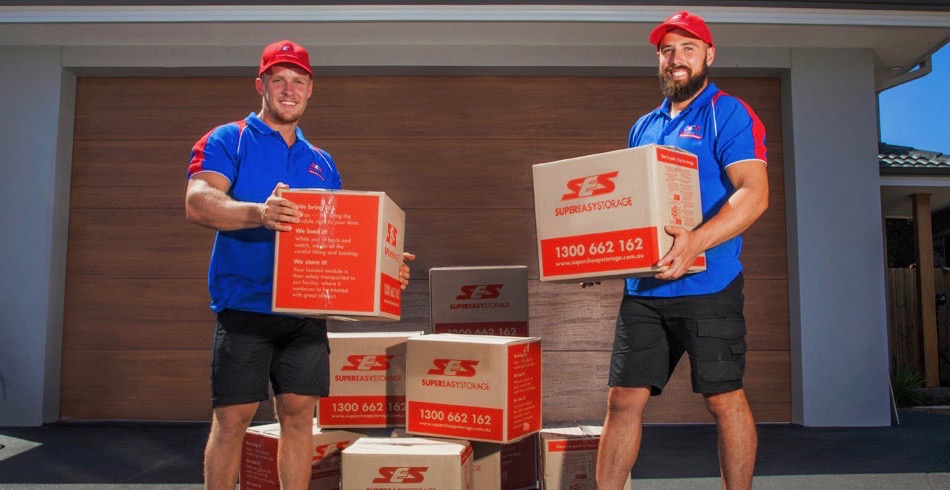
Working out what you can and can’t store can feel overwhelming – but it doesn’t have to be. Super Easy Storage delivers the module to your home, includes free protective blankets, and lets you choose between self-packing or professional AFRA-certified loading. With no lock-in contracts and a cost-efficient module system, you only pay for the space you actually use.
Explore Super Easy Storage mobile storage services and get your free quote today, starting from just $3.25!