
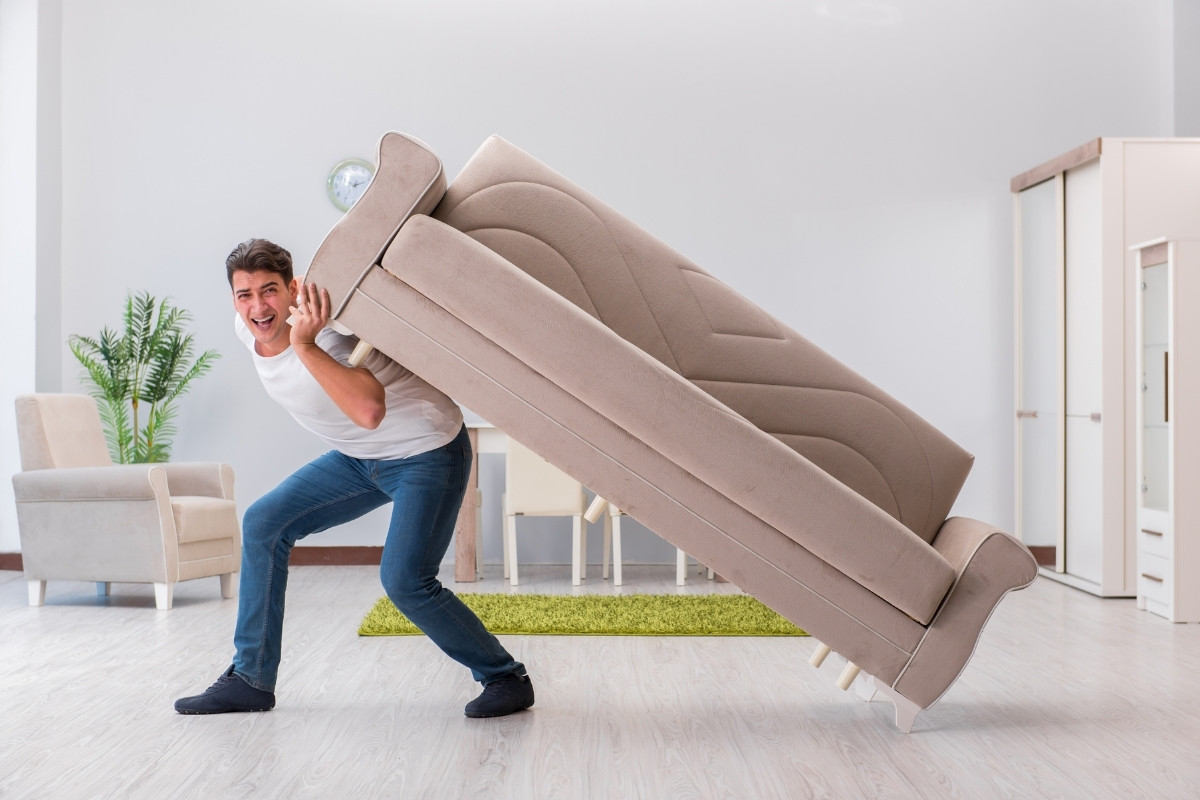
Heavy furniture is often underestimated during a move. Sofas, wardrobes, dining tables, and bed frames may not look dangerous, but they’re some of the most common causes of injuries, damaged property, and last-minute stress.
The truth is that most moving problems don’t come from a lack of effort or strength. They come from poor planning and repeated handling, lifting items too many times, forcing them through tight spaces, or rushing decisions on moving day.
This guide explains how to move heavy furniture safely, with a focus on preparation, the right tools, and smart planning decisions (including when storage makes a move safer, not harder). The goal is simple: reduce lifting, reduce risk, and move with more control.
Why Moving Heavy Furniture Is Risky Without Proper Planning
Heavy furniture is one of the leading causes of injuries and property damage during moves. Unlike boxes, large items are awkwardly shaped, hard to grip, and often heavier on one side than the other.
Common risk factors include:
- Weight concentrated in bulky shapes, making balance difficult
- Limited grip points, especially on smooth or polished surfaces
- Narrow hallways, stairs, and doorways, where turning space is limited
These conditions often lead to back and shoulder strain, scraped walls, damaged floors, or dropped items caused by fatigue or loss of balance. Many of these issues happen after the first lift, when furniture is repositioned repeatedly to “make it fit.”
Planning tools, such as measuring furniture and calculating storage place, reduce how often heavy items need to be lifted or moved, which significantly lowers risk.

Must-Have Tools And Equipment To Move Heavy Furniture Safely
The right equipment helps, but tools work best when paired with planning.
- Furniture dollies: Allow heavy items to be rolled instead of carried, reducing strain on your back and arms.
- Furniture sliders: Useful for repositioning items across carpet or hard floors without lifting.
- Lifting straps or harnesses: Help distribute weight across larger muscle groups and improve control when carrying bulky items.
- Protective materials: Moving blankets, wrap, and corner protectors reduce surface damage and improve grip.
Just as important as physical tools is knowing where the furniture is going. Choosing the right setup in advance, whether short-term or longer-term, often comes down to understanding how to choose self-storage based on access, layout, and item size so that furniture doesn’t need to be lifted, lowered, and repositioned multiple times.
How To Prep Large Furniture For Storage Or Transit
Preparation reduces both physical effort and damage.
Start by disassembling furniture where possible. Remove legs, shelves, bed frames, and detachable parts. Bag and label screws and hardware so nothing is lost.
Next, wrap and protect surfaces. Use blankets or wrap on corners, edges, and delicate finishes to prevent chips and scratches.
Finally, measure everything, height, width, and depth of each large item. This is especially important for wardrobes, dining tables, couches, and modular furniture. Accurate measurements not only prevent access issues but also help avoid overpaying or overcrowding, especially when using guidance on how to choose the right size storage unit
Once measurements are done, you can use the Super Easy Storage Storage Calculator to pre-plan the right amount of space. This avoids guessing, prevents choosing a unit that’s too small (or unnecessarily large), and reduces:
- Time spent moving items
- Injury risk from repeated lifting
- Damage during repositioning
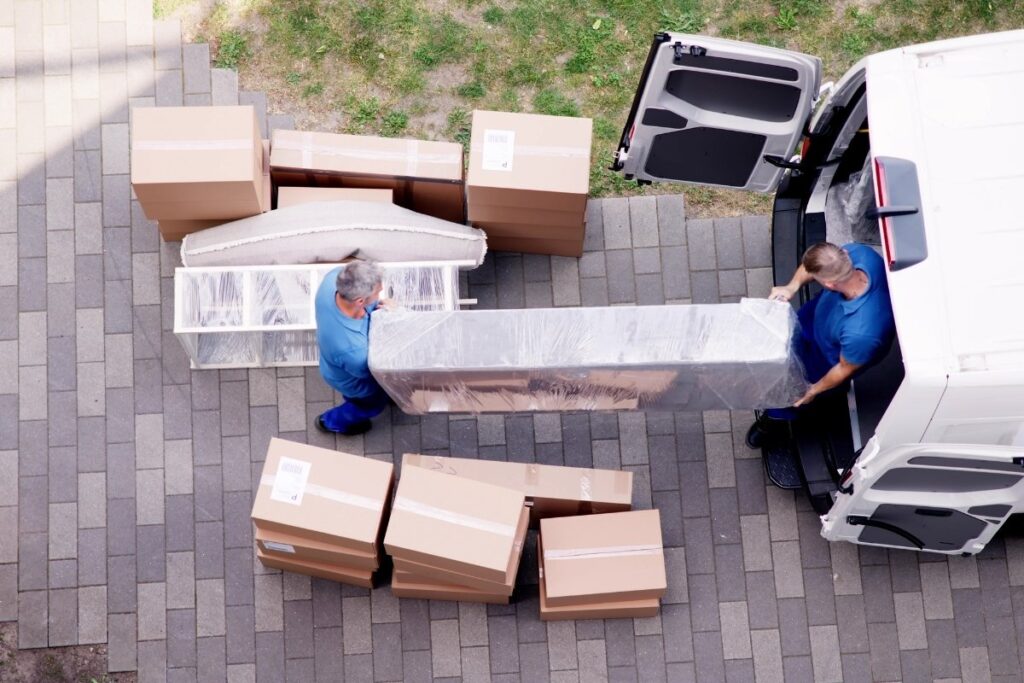
Techniques For Moving Furniture Without Damage
Safe movement is about control, not force.
- Lift with your legs, not your back
- Keep furniture upright where possible
- Tilt and pivot instead of dragging
- Clear pathways before lifting anything
- Communicate clearly if moving with another person
When furniture has a planned destination, whether a room or a storage unit, there’s less need for awkward manoeuvring in tight spaces. Fewer adjustments mean less handling, less damage, and lower injury risk.
Moving Heavy Furniture When You’re On Your Own
Moving alone changes the risk level. Some items simply aren’t safe to lift solo.
If you’re on your own:
- Use sliders and dollies instead of lifting
- Break the move into stages rather than rushing
- Stage furniture in accessible areas
- Avoid stairs and narrow turns whenever possible
If an item feels unstable, too heavy, or difficult to control, forcing it often leads to injury. In these situations, storage can be a safer option than trying to complete everything in one day.
Tips For Moving Furniture Into A Storage Unit
How furniture is placed in storage affects safety just as much as how it’s lifted.
- Place heavy items on the bottom
- Keep flat surfaces against walls for stability
- Leave small access aisles if items may need to be retrieved
- Label large wrapped items clearly
Choosing the right-sized storage unit upfront makes stacking easier, prevents overcrowding, and avoids the need to lift and re-stack heavy items multiple times.
When You Should Call A Pro
Calling for help is a safety decision, not a failure.
Consider professional support if:
- Furniture is oversized or extremely heavy
- There are stairs, narrow access points, or multiple storeys
- Timelines are short or physical limitations are present
- Items are high-value or fragile
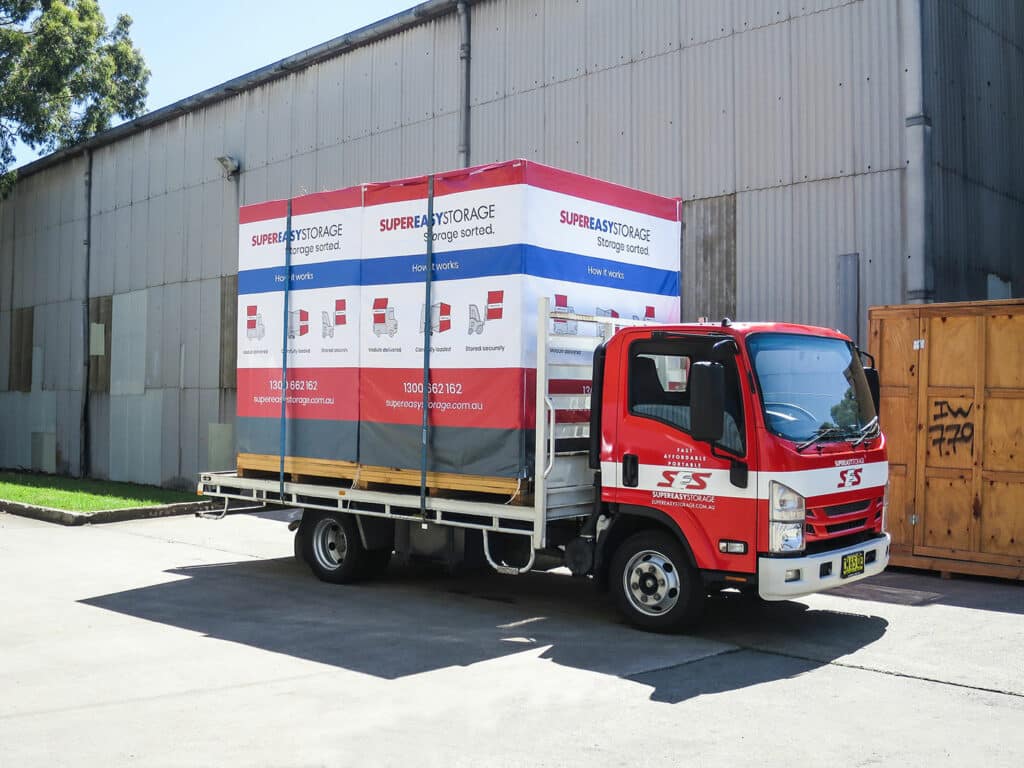
In some cases, Super Easy Storage can assist with pick-up, packing, transport (where available), and secure storage, allowing heavy furniture to be moved once and stored safely until needed.
How Super Easy Storage Makes Moving Heavy Furniture Safer
Heavy furniture is safest when it’s handled fewer times. Super Easy Storage uses a mobile storage approach that supports this principle.
Furniture is packed once, collected, and stored securely, reducing repeated lifting, repositioning, and tight-space manoeuvring. Flexible timing works well for renovations, downsizing, or staggered moves, and helps keep bulky items protected until you’re ready to use them again.
If you’re unsure whether to move heavy furniture yourself, you can use the Storage Calculator to choose the right unit size or speak with the team about planning the safest option.
Pack Smart, Lift Less, Stay Safe
Moving heavy furniture safely isn’t about strength, it’s about preparation, control, and reducing how often items are handled.
By measuring carefully, using the right tools, planning storage space in advance, and avoiding unnecessary re-handling, you protect both your furniture and your body. When timelines or access make moving risky, storage can be a practical way to simplify the process and move at a safer pace with support from Super Easy Storage.
FAQs
How Heavy Is Too Heavy To Move Alone?
If you can’t control the item’s balance or grip comfortably, it’s too heavy to move solo.
What Causes Most Moving Injuries?
Most injuries happen during repositioning: twisting, lowering, or forcing items through tight spaces.
Should Heavy Furniture Be Dismantled Before Moving?
Yes. Disassembly reduces weight, improves grip, and makes movement safer.
Is It Safer To Store Furniture Instead Of Moving It All At Once?
Often, yes. Storage reduces rushed lifting and repeated handling.
Can Heavy Furniture Be Stored Short-Term Safely?
Yes, when it’s wrapped properly and placed in a suitable storage unit.