
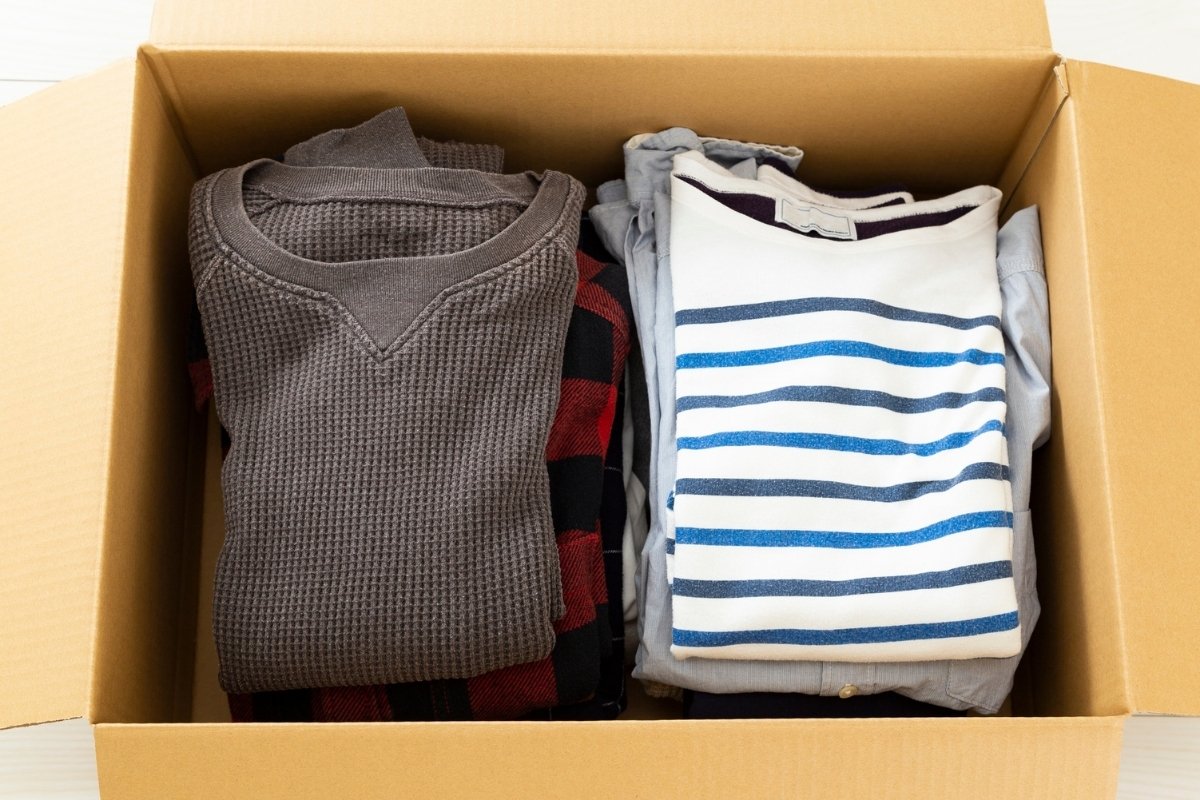
Packing clothes should be the easy part of a move, but it often turns into bulging suitcases, creased outfits, and a frustrating unpacking mess. The good news is that clothes are easy to handle when they’re packed the right way.
This guide shows you how to pack clothes for moving using simple, practical methods that reduce wrinkles, save space, and make unpacking faster. Whether you’re moving across town, renovating, or storing items for a while, the steps below help keep your clothes clean, organised, and ready to wear when you need them.
Types Of Clothes And Why They Matter During A Move
Not all clothes behave the same once they’re packed. Understanding how different garments react to pressure, folding, and time helps you choose the right packing method and avoid unnecessary damage.
Some clothes hold their shape well, while others crease easily. Structured items like suits and coats rely on hangers to maintain form, while casual wear can be folded tightly without issue. Delicate fabrics such as silk, linen, or wool are more sensitive to compression and moisture.
For packing purposes, most wardrobes fall into four groups:
- Hanging garments (dresses, suits, coats)
- Folded casual wear (T-shirts, jeans, knitwear)
- Delicate or expensive items
- Shoes and accessories
Matching the packing method to the clothing type saves space, reduces wrinkles, and makes unpacking far easier.
These same principles apply when items are stored for weeks or months, which is why it’s worth reviewing best practices on how to pack for self-storage before you begin.
Why Clothes Get Damaged During Moves And How To Prevent It
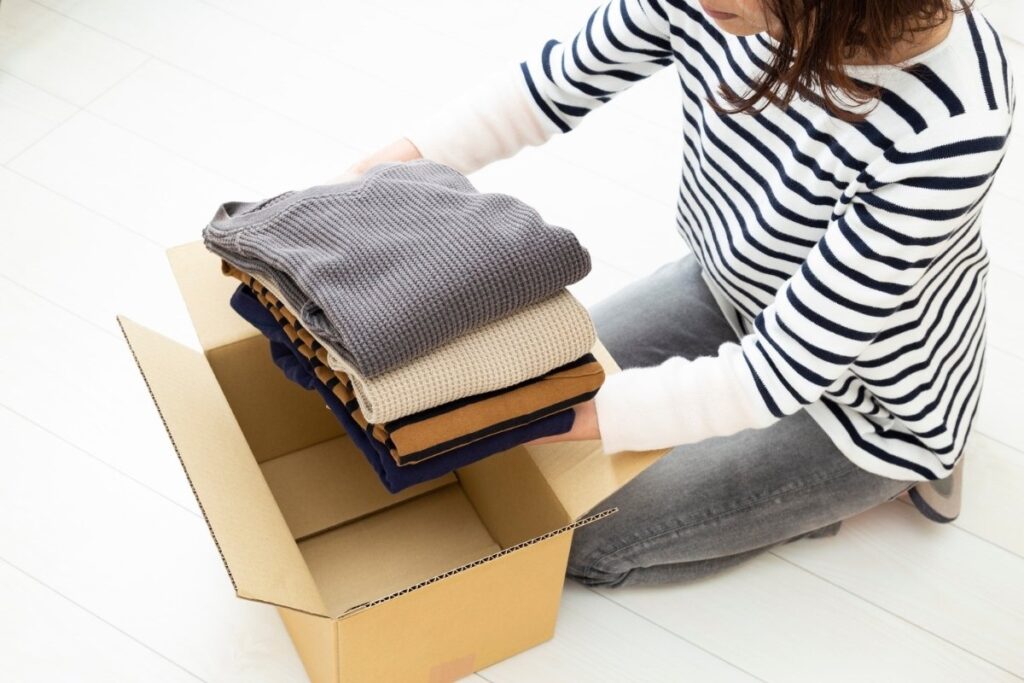
Clothes rarely suffer because they’re fragile. Damage usually happens because of compression, moisture, heat, and repeated handling.
Overstuffed boxes and vacuum bags compress fibres, leading to deep creases that are hard to remove. Plastic bags can trap moisture, which causes odours or mildew, especially in warm or humid conditions. Heat, time, and pressure together can weaken fabrics, while repeatedly unpacking and repacking stretches garments out of shape.
The most reliable way to protect clothes is to pack them appropriately once and minimise handling. Breathable materials, sensible packing density, and stable storage conditions make a noticeable difference.
Best Methods For Packing Clothes By Category
There’s no single “right” way to pack clothes, only methods that suit different garments better than others. Below are practical options by category.
Hanging Clothes (Dresses, Suits, Coats)
Hanging Clothes are structured garments designed to hang. Folding them introduces creases that are difficult to remove.
Wardrobe boxes are the best option for full moves. Clothes stay on their hangers and are hung directly onto the internal rail, keeping their shape intact. The downside is that these boxes cost more and can waste space if they’re underfilled.
Garment bags work well for short-distance moves or temporary storage. They protect clothing from dust and light moisture, but thin garment bags don’t provide enough structure for long journeys or heavy handling.
If you’re packing hanging clothes for longer storage, ensure garments are clean and spaced slightly apart to allow airflow.
Folded Clothes (T-Shirts, Jeans, Casualwear)
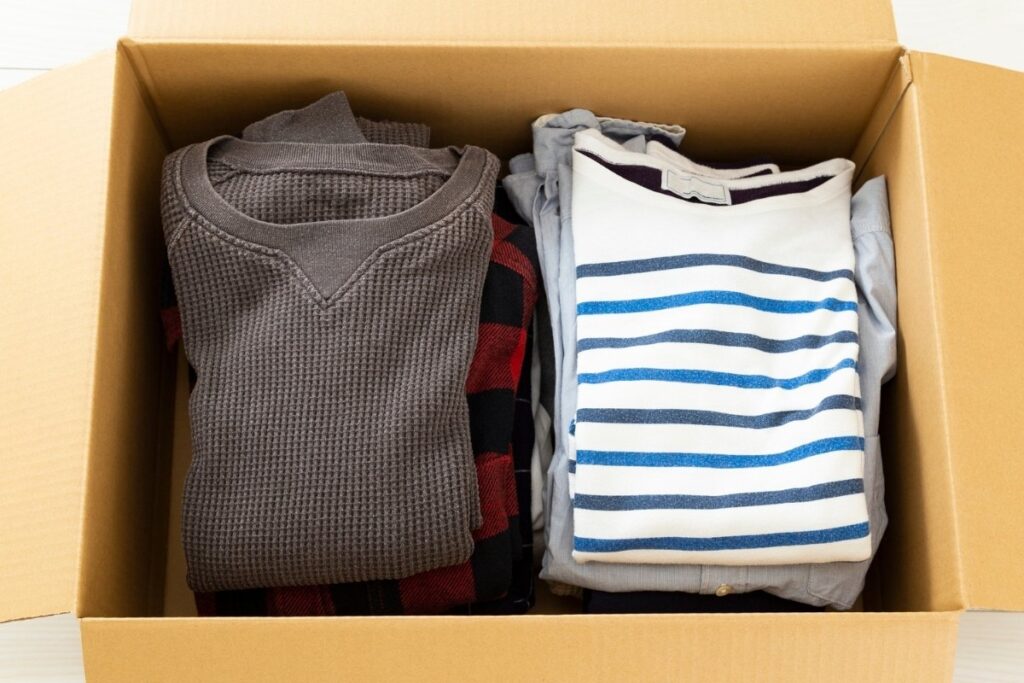
Casual clothing is the easiest category to pack and the most space-efficient when folded.
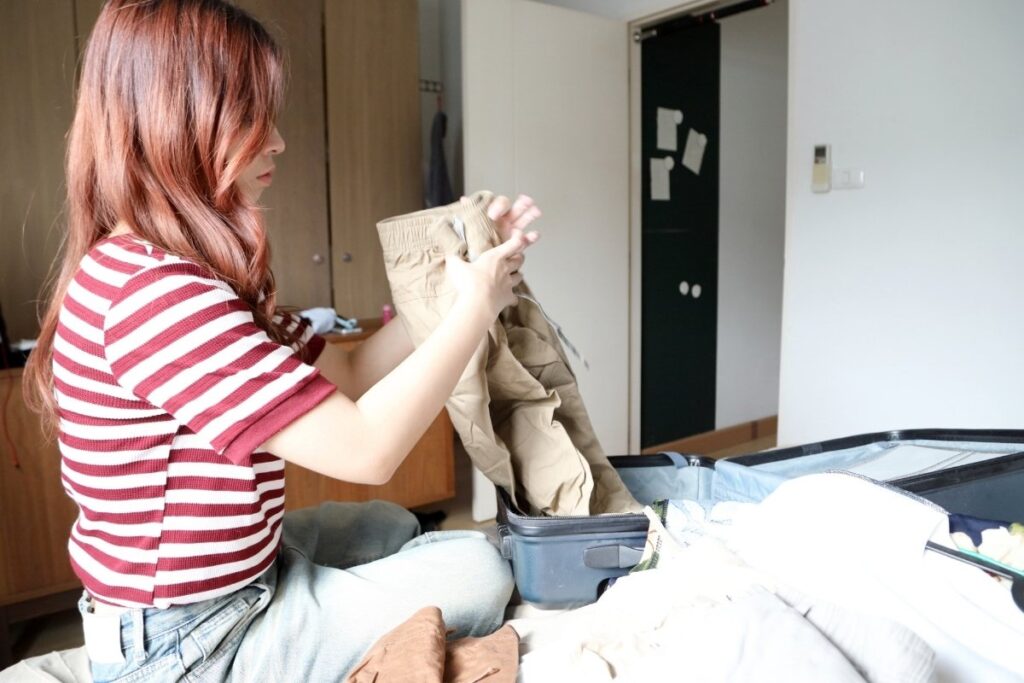
Suitcases should be your first choice. They’re designed for clothing, easy to move, and protect contents well. After that, sturdy cardboard boxes work fine. For very local moves, folded clothes can sometimes stay in drawers if the furniture is moved carefully.
If you use space-saving folding methods (such as vertical folding), treat them as optional tools, not requirements. The priority is keeping clothes clean, dry, and not over-compressed.
Delicate Or Expensive Clothing
Delicate items include silk, linen, wool, embellished pieces, and anything with sentimental or high monetary value.
Pack these with extra care:
- Ensure garments are clean and completely dry
- Wrap items individually using tissue or acid-free paper
- Choose the protection method:
- Garment bags for hanging items
- Padded boxes for folded items
- Avoid stacking heavy garments on top.
- Leave breathing room to prevent compression
Store delicate items separately from everyday clothes and label boxes clearly as “Delicate Clothing – Do Not Stack.”
For garments that are sensitive to humidity or temperature changes, choosing a stable environment such as a climate-controlled self-storage unit can significantly reduce long-term fabric damage.
Shoes and Accessories
Shoes should always be clean and dry before packing.
Best methods:
- Original shoe boxes (ideal)
- Wrapped individually in paper or dust bags
Pack shoes with soles facing down and place heavier pairs at the bottom. Keep pairs together or label left and right clearly. Avoid packing shoes loose with clothing to prevent dirt transfer.
Accessories are easiest when grouped:
- Belts and scarves: roll and place in small bags
- Jewellery: use travel organisers or wrap pieces individually
- Hats: pack crown-up, filled with soft items to maintain shape
Common Clothes-Packing Mistakes To Avoid
Clothes are often treated as “easy” items, which leads to avoidable problems.
Common mistakes include:
- Overstuffing boxes or suitcases, making them heavy and hard to lift
- Packing unwashed clothes, allowing dirt, sweat, and oils to set into fabric
- Relying on vacuum bags for long-term storage, which can cause permanent creasing
- Forgetting essentials, leaving you searching through boxes later
Shortcuts like garbage-bag hacks can work for very short, same-day moves, but they trap moisture and crease clothes during storage. Most damage comes from over-compression and poor airflow, not from clothes being moved at all.
How To Unpack And Organise Clothes At Your New Place
Unpacking clothes thoughtfully helps you settle in faster and reduces post-move overwhelm.
Start with an open-first suitcase or box containing essentials. Then unpack in this order:
- Hanging clothes
- Daily wear
- Seasonal or occasional items
Group clothes by type or how often you wear them. Simple wardrobe zones or drawer dividers make organisation easier. If clothes have been stored, airing them out before hanging helps refresh fabrics and remove any lingering smells.
How Super Easy Storage Makes Moving Clothes Easier
Clothes benefit from fewer packing and unpacking cycles. Super Easy Storage offers a mobile self-storage approach that helps protect clothing during moves and transitions. Unlike traditional facilities, mobile storage compared to traditional self-storage allows clothes to be packed once and left undisturbed until redelivery, reducing compression and handling.
Because items are packed once and kept in the same storage pod:
- Clothes experience less handling and compression
- Secure facilities help protect against moisture and damage
- Flexible timelines make it easier when move-in and move-out dates don’t line up
This approach works particularly well for renovations, downsizing, or staged moves where clothes don’t need immediate access.
Pack Once, Pack Smart
Packing clothes doesn’t need to be complicated. By matching packing methods to clothing types, avoiding over-compression, and allowing fabrics to breathe, you can move or store clothes with minimal wrinkles and stress.
Whether you’re heading straight into a new home or taking a bit more time between spaces, careful packing goes a long way toward keeping your wardrobe in good condition. This approach to packing reflects how services like Super Easy Storage support smoother moves, especially when timing or space is limited.