
Packing glassware is one of the most stressful parts of any move. Glasses are fragile, awkwardly shaped, and often hold both practical and sentimental value. One small mistake can lead to cracks or breakage before you even reach your destination.
This guide is designed to walk you through how to pack glassware properly when you’re moving. We’ll cover what to do before you start, which materials actually matter, step-by-step packing techniques, common mistakes to avoid, and how mobile self-storage can reduce the risk of damage by cutting down handling.
How To Prepare Before Packing Glasses
Good packing starts before the first sheet of paper is unrolled. Taking a few minutes of your time to prepare properly can significantly reduce breakage later.
Start With An Inventory.
List the glassware you plan to move: tumblers, wine glasses, mugs, decorative pieces, or heirloom items. This helps you estimate how many boxes and materials you’ll need, and it’s also a good opportunity to decide what’s worth keeping. Many people find it useful to declutter before moving or storing items so they’re not packing fragile items they no longer need.
Gather The Right Supplies.
Have everything ready before you begin: sturdy medium-sized boxes, packing paper, bubble wrap for fragile pieces, strong tape, and markers. If you have dividers or dish-pack inserts, set them aside for glassware.
Prepare Your Boxes Properly.
Reinforce the bottom of each box with tape. Add a thick cushioning layer of crumpled paper or bubble wrap at the base to absorb impact.
Clean And Dry Everything.
Any moisture left inside glasses can lead to odours or residue during storage. Therefore, drying items thoroughly before wrapping is a must.
Group Similar Items Together.
Packing glasses of similar size and shape together makes wrapping and arranging them in boxes far more stable.
Step-By-Step Instructions: How To Pack Glassware For Moving
Step 1: Prepare Your Packing Area
Set up a clear surface with packing paper, bubble wrap, tape, and boxes within reach. Packing in one continuous session helps keep things consistent.
Step 2: Reinforce And Line Boxes
Tape the bottom seams thoroughly. Add a thick layer of crumpled paper or bubble wrap to create a shock-absorbing base.
Step 3: Wrap Each Piece Individually
For everyday glasses, roll each one diagonally in packing paper until fully covered. Secure lightly with tape if needed.
For wine glasses and stemware:
- Stuff the bowl lightly with paper
- Wrap the bowl first
- Wrap the stem separately
- Add bubble wrap around the entire piece if it’s especially fragile
If you’re packing items for short-term holding, following best practices for packing items for self-storage applies equally well to glassware.
Step 4: Arrange Glassware In The Box
Place glasses upright, never flat. Heavier items go at the bottom. If using dividers, place one glass per compartment. Keep similar sizes together for stability.
Step 5: Fill Every Gap
Use crumpled paper or soft materials to eliminate empty space. Movement inside the box is one of the biggest causes of breakage.
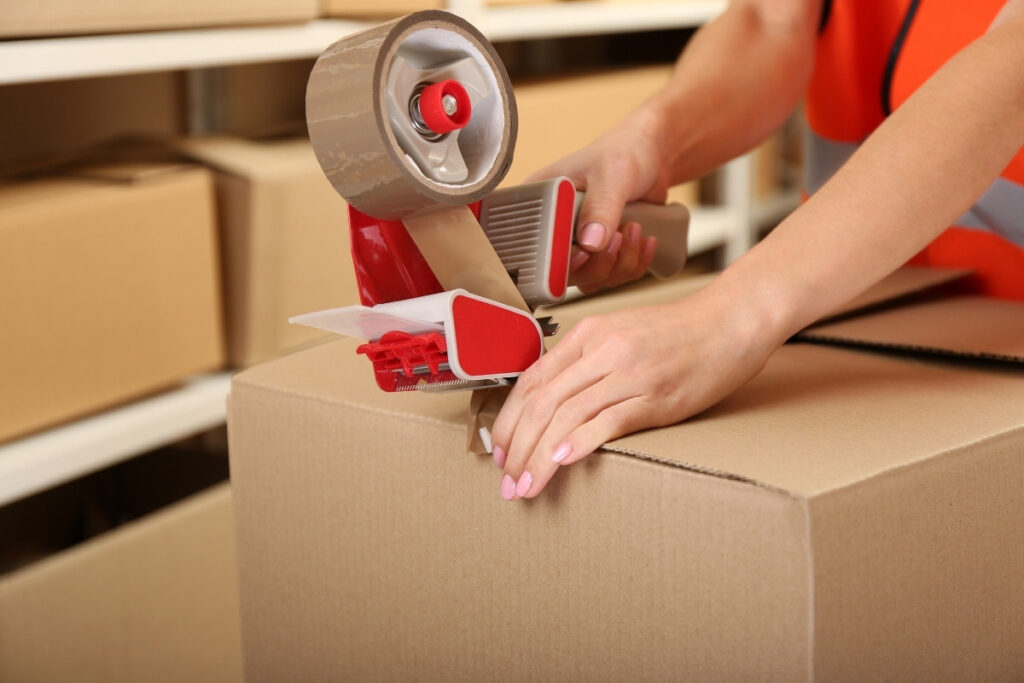
Step 6: Seal And Label Clearly
Close the box, tape all seams, and label it clearly as FRAGILE – GLASSWARE, marking “THIS SIDE UP” on multiple sides.
Why Glassware Breaks During Moves And How To Prevent It
Glass rarely breaks because it’s “too delicate.” It breaks because of pressure, movement, and repeated handling.
Common causes include:
- Pressure on rims, stems, or bases
- Vibration during transport
- Empty space inside boxes that allows items to collide
- Packing and unpacking multiple times
The most effective way to prevent breakage is to control movement and reduce handling. This is where mobile self-storage can help by avoiding the double handling that often happens during moves
Sourcing Quality Packing Materials For Glassware
Using the right materials makes a measurable difference.
- Sturdy boxes: Medium-sized boxes are ideal. They’re easier to carry and less likely to collapse under weight.
- Packing paper: Soft, unprinted paper protects glass surfaces from scratches and creates flexible cushioning.
- Bubble wrap: Best used as a secondary layer for stemware or delicate items.
- Cell dividers or dish-pack inserts: These keep glasses separated so they don’t knock into each other.
- Strong packing tape: Reinforces box seams and prevents splitting.
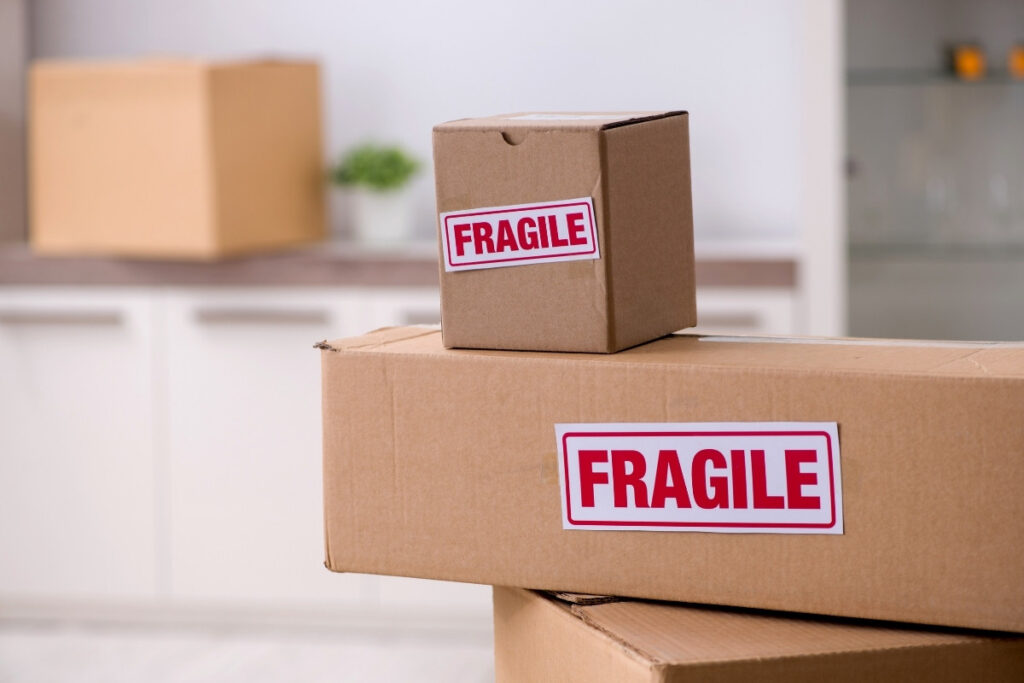
- Labels and markers: Clearly mark boxes as “FRAGILE” and indicate which side should stay up.
- Gap fillers: Crumpled paper, soft cloths, or towels prevent movement inside the box.
Best Packing Materials For Glassware
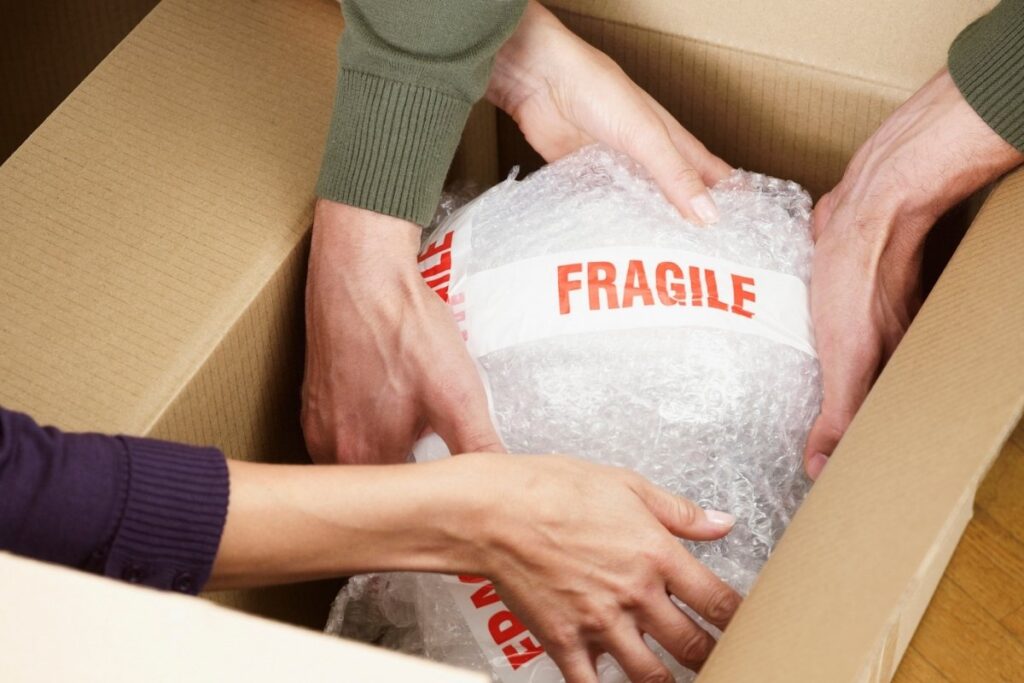
When packing glassware, the goal is simple: to protect the glass surface from scratches and cushion it from impact.No single material does both perfectly on its own, which is why using paper first, then bubble wrap if needed, works best.
Here’s how the two main materials compare and what they’re actually best used for:
| Feature | Packing Paper | Bubble Wrap |
| What it’s best at | Protecting glass surfaces | Absorbing knocks and vibration |
| Shock absorption | Low on its own | High due to air pockets |
| Surface protection | Very good (prevents scratches) | Limited (plastic can rub directly on glass) |
| Space inside boxes | Compact, easy to layer | Bulky, takes up more room |
| Environmental impact | Paper-based, recyclable | Plastic-based |
What this means in practice:
- Packing paper should be your first layer for every glass. It protects the surface and keeps pieces clean and stable.
- Bubble wrap works best as a second layer for extra cushioning, especially for wine glasses, stemware, or delicate pieces that are more likely to snap or crack.
Packing Glassware For Storage Vs Packing For Moving Day
Packing for storage is slightly different from packing for a same-day move.
For storage, items may sit undisturbed for weeks or months. This means:
- Denser padding matters more
- Upright placement is critical
- Long-term pressure must be avoided
Mobile self-storage reduces risk because items are packed once and left undisturbed, rather than being unloaded, stacked, and reloaded multiple times at a facility.
Common Mistakes That Cause Glassware To Break
Many breakages happen because of avoidable errors:
- Laying glasses flat instead of upright
- Overfilling boxes and making them too heavy
- Mixing glassware with heavy kitchen items
- Leaving empty space inside boxes
- Assuming “Fragile” labels alone will prevent damage
Careful packing and controlled handling matter more than labels.
5 Top Tips For Moving With Glassware
Tip 1: Don’t Overfill Boxes
Heavier boxes are harder to carry and more likely to collapse or be dropped.
Tip 2: Label Clearly But Pack Properly First
Labels help, but they don’t replace good padding and snug packing.
Tip 3: Keep Glassware Separate
Avoid stacking glassware boxes under heavy items.
Tip 4: Watch Temperature Changes
Extreme heat or cold can stress glass, especially during longer moves.
Tip 5: Pack Glassware Last
This reduces the time boxes are handled and moved around unnecessarily.
Should You Hire A Professional Removalist For Packing Glassware?
When Professional Packing Makes Sense
- Long-distance moves with multiple handling points
- Very limited time to pack
- Valuable or irreplaceable glassware
- Situations where insurance coverage is important
What Professionals Typically Do
Removalists assess your items, use specialised materials, wrap each piece individually, and pack boxes strategically to reduce movement and pressure.
How Mobile Self-Storage Protects Fragile Items Like Glassware
Mobile self-storage works well for fragile items because it reduces handling:
- Items are loaded once
- No unloading and reloading at a warehouse
- Storage pods remain sealed
- Controlled warehouse environments limit exposure
Fewer handling steps mean fewer chances for damage.

Packing Glassware For Moving Made Easier With Super Easy Storage
When done properly, packing glassware doesn’t need to be rushed or risky. Use the right materials, pack each piece individually, eliminate movement inside boxes, and minimise handling wherever possible. For many people, combining careful packing with mobile self-storage provides a calmer, more controlled way to protect fragile items during life’s transitions.
Once your glassware is packed properly, the next concern is keeping it safe until you’re ready to unpack. Super Easy Storage uses a mobile self-storage model where your packed items stay in the same storage pod from pickup to storage and back again. This reduces unnecessary movement and helps protect fragile items like glassware during moves, renovations, or short-term transitions.
FAQs
Can Glassware Be Stored Long-Term?
Yes, as long as it’s packed upright, well-cushioned, and kept in a stable environment.
Can Different Glass Types Be Packed Together?
It’s safer to group similar sizes and shapes to improve stability.
How Many Glasses Should Go In One Box?
A standard medium moving box usually holds:
- 6-12 wrapped tumblers, or
- 6-8 wine glasses or stemware, depending on size and padding.
The key limit isn’t the number of glasses, it’s the weight and stability of the box.