
Choosing a self-storage facility can feel a bit overwhelming – especially when every provider seems to offer “the safest”, “the cleanest”, or “the cheapest” units. The truth is, not all storage centres are created equal, and knowing what to look for can save you time, money and stress.
Here’s a friendly guide to help you choose the right storage option with confidence.
1. Location & Accessibility: Make Storage Actually Convenient
Location is one of the biggest factors in how satisfied you’ll be with your storage experience. Before committing:
Choose a location that suits your life
- Close to home, if you need regular access.
- Close to your business, if you’re storing inventory, tools or documents.
- Close to your new house during a move.
Check the practicality of getting in and out
Some facilities look “nearby,” but are hard to reach because:
- The driveway is tight
- The street gets congested
- There’s no parking for larger vehicles
- Trucks can’t turn easily
Ask about access hours
Storage should work around your schedule, not limit it. Consider:
- Do you need 24/7 access?
- Are there weekend or public holiday restrictions?
- Is after-hours access possible, and is there a fee?
Why this matters: Some storage centres limit access to business hours — which can be a problem if you suddenly need your camping gear at 7 pm or a work tool early on a Sunday.
2. Security: Your Belongings Must Feel Safe (and Actually Be Safe)
True security isn’t about having one camera – it’s about multiple layers working together. When you tour a facility, check:
Cameras & surveillance
A good facility has:
- CCTV covering entrances, exits, hallways, loading bays and common areas
- Cameras placed in logical positions, not hidden behind plants
- Systems that record 24/7, not only during office hours
Access control
Look for:
- PIN-coded or key-card entry
- Personalised access logs
- Gates that close securely, with no gaps
Individual unit security
The best facilities support:
- Personal padlocks or cylinder locks
- Alarmed units (if available)
Lighting & visibility
Bright lighting is important for:
- Night-time visits
- Camera clarity
- Personal safety
On-site staff
A staffed facility is a safer facility. Trained staff can:
- Monitor activity
- Intervene if something doesn’t look right
- Assist you if an issue arises
Insider tip: A well-lit, clean, and busy facility is less likely to attract break-ins than a dark, rarely monitored one.
3. Cleanliness & Maintenance: Signs of How Your Items Will Be Treated
This is one area many competitors gloss over but you shouldn’t. A facility’s cleanliness tells you everything about how organised, careful, and proactive the management truly is.
What to look for
- Clean units with no musty smell or dampness
- No signs of mould, rust, water leaks or past damage
- Smooth, easy-to-open roller doors
- Pest-free spaces (no droppings or nesting material)
- Neat hallways and tidy driveways
- Well-maintained roofs, edges and seals
Why this matters: Poor maintenance means higher chance of your items being damaged over time. Water leaks and pests are extremely common at cheap or outdated facilities.
4. Unit Sizes: A Good Facility Offers Real Options
A high-quality storage provider shouldn’t pressure you into oversized units or rigid contracts.
How to choose the right size
- List bulky items you plan to store
- Measure items like mattresses, couches, cupboards, and appliances
- Think vertically — stacking boxes saves space
- Ask staff for guidance (helpful providers won’t upsell)
Check for flexibility
A reliable facility lets you:
- Change unit sizes as your needs change
- Add a second unit if needed
- Upgrade or downgrade without massive fees
Tip for saving money: Most people overestimate how much storage they need. A well-packed 3 m³ module can fit more than expected if stacked correctly.
5. Climate Control: Essential for Sensitive Items
Not everything needs a climate-controlled unit – but the things that do should never be stored in standard garages or outdoor containers.
Ideal for climate-controlled storage
- Electronics
- Wooden furniture
- Leather goods
- Artwork or photographs
- Paper documents
- Collectables or antiques
- Musical instruments
Why it matters in Australia
Our climate swings such as heat, humidity, storms can warp, crack or mould delicate items.
6. Pricing & Contracts: Avoid the “Sneaky Fee” Trap
Don’t choose based on price alone. Affordable doesn’t mean good, but expensive doesn’t always mean secure, either.
Ask for a full cost breakdown
Beyond weekly rent, ask about:
- Admin or set-up fees
- Mandatory lock purchases
- Insurance requirements
- Deposit or bond
- After-hours access fees
- Fees for changing unit size
- Price increases after initial months
Read the contract
Look for:
- Minimum commitment periods
- Notice required for move-out
- Conditions around late payments
- Rules on shared access
Pro tip: If a facility avoids giving clear answers or seems vague, consider it a warning sign.
7. Insurance & Protection: Don’t Skip This Step
Most storage centres don’t automatically insure the items inside your unit. That’s normal. However, you still need coverage.
What to check
- Does your home/contents insurance cover storage?
- Does the facility offer insurance, and what does it cover?
- Are there exclusions (mould/pests/fire/flood)?
- Is insurance optional or compulsory?
Why it matters: Even the best facilities can’t prevent every scenario – insurance gives you peace of mind.
8. Extra Services That Make Life Easier
Some storage providers offer more support than others. Convenience matters, especially when you’re juggling a move.
Consider whether you need:
- Mobile storage (unit delivered to your home – saves double-handling)
- Professional packing or heavy lifting
- Trolleys, dolleys and moving equipment on-site
- Delivery acceptance for businesses
- Removalist partnerships
Why this is valuable: These services can turn a stressful move into a smooth, simple experience.
9. Reputation & Reviews: The Real Story
Before choosing a facility, spend a few minutes reading reviews. Look for consistent patterns rather than one-off complaints.
What to look for
- Comments about security
- Cleanliness issues
- Surprise fees
- Staff friendliness
- Ease of access
- Customer service during emergencies
Reliable patterns tell you more about the facility than any brochure.
10. Essential Questions to Ask Before You Sign Anything
Borrowing the strongest approach from competitor content, these are the “must-ask” questions:
- What are your exact access hours?
- Are there any costs not included in the quoted price?
- What type of locks do you use or recommend?
- How often is the facility inspected or cleaned?
- Is the unit I’m shown the same as the one I’ll get?
- What security measures do you have on-site?
- Can I change unit sizes if my needs change?
- What does your insurance cover?
- Are there early exit fees or price increases?
These questions give you control and help you avoid nasty surprises.
Final Tip: Always Visit the Facility in Person
Photos don’t show everything. A quick walk-through tells you:
- How clean the facility really is
- Whether security looks professional
- How staff treat you
- Whether the place “feels right”
Trust your instincts – they’re usually spot on.
Choose the Right Storage the Easy Way with Super Easy Storage’s Mobile Storage Service
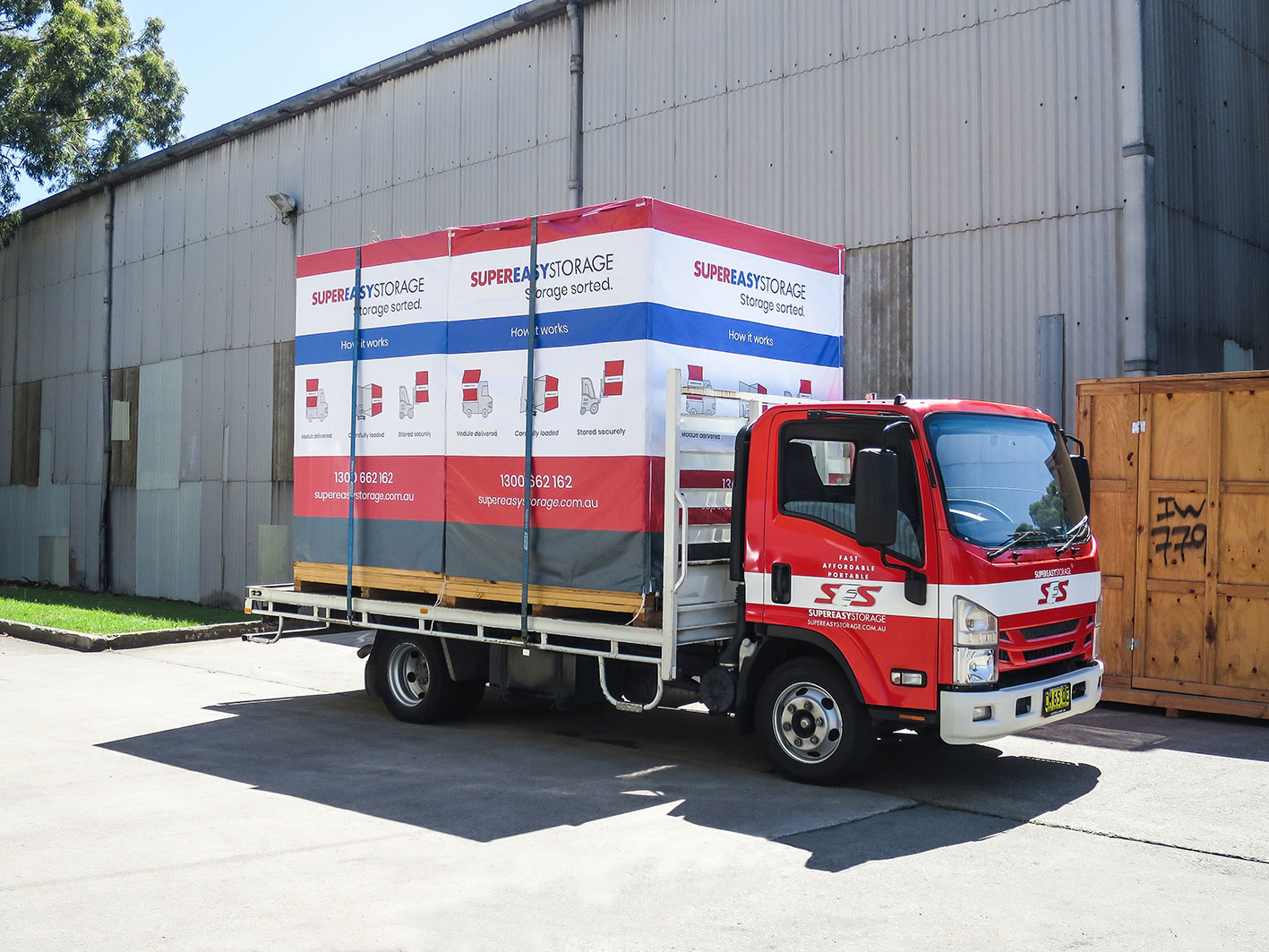
After learning what to look for in a self-storage provider, you can skip the trial-and-error and go straight to a solution that actually meets those standards. Super Easy Storage makes choosing simple, with mobile modules delivered to your door and flexible options that suit real-life timelines.
Why Australians choose Super Easy Storage
- Mobile, door-to-you delivery so there’s no need to hire a ute or trek across town
- No lock-in contracts, ideal when plans change unexpectedly
- Secure, CCTV-monitored warehouses with controlled customer access
- One-handling system that reduces the risk of damage
- Free protective blankets with every module
- Options for self-packing or AFRA-certified professional loading
- Transparent pricing with an online storage calculator
- Short- and long-term storage, plus discounts for rentals over six months
- Pay only for the space you use with our efficient module system
Super Easy Storage have your storage covered, Australia – wide. Book self-storage with us today, starting from just $3.25 per day.