
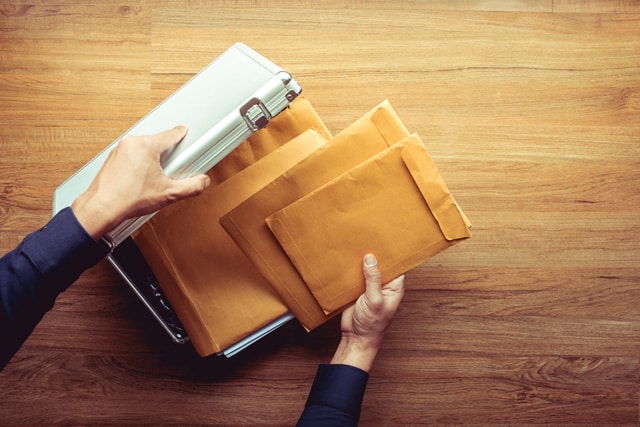
Need a safe place to keep your important paperwork? Whether it’s tax records, legal files, certificates or business documents, storing them properly is the key to keeping them protected from damage. Self storage can be a great solution – if you prepare and pack your documents the right way.
In this guide, you’ll learn practical steps to keep your files secure, plus how to choose the best type of storage for long-term peace of mind.
Things to Note Before You Store Documents
Understand What Can Be Stored
Most paper-based items can be safely stored in a self-storage unit, including:
- Tax records and financial statements
- Legal documents, contracts and business files
- Certificates, personal paperwork and archives
- Receipts, manuals and reference records
Avoid storing irreplaceable originals (such as birth certificates or wills) unless they are secured inside a fireproof safe.
Know What Causes Document Damage
Paper is sensitive to:
- Humidity and moisture, which lead to mould and warping
- Excessive heat, which accelerates deterioration
- Rodents and insects, which are attracted to cardboard
- Light exposure, which fades text and ink
- Repeated handling or moving
Understanding these risks helps you choose the right preparation and storage method.
Decide Whether Climate Control Is Necessary
If you are wondering: “Why do you need a climate controlled self storage unit?”, controlled temperature and humidity prevent mould, deterioration and curling.
Climate-controlled storage is strongly recommended for:
- Long-term document storage
- Paper archives
- Legal or financial records
- Thick volumes, invoices or bound documents
- Humid or coastal environments
Choosing the Type of Storage Service
There are two main ways to store documents: traditional self-storage or mobile storage.
- Traditional self-storage requires you to transport your documents to a facility and unload them into a unit.
- Mobile storage delivers a module to your home or office, you load it once, and the sealed module is transported to a secure warehouse.
For sensitive, fragile or irreplaceable paperwork, mobile storage offers a far lower risk of damage because your documents are handled once, kept sealed and stored securely offsite.
| Aspect | Traditional Self-Storage | Mobile Storage |
| Transport | You drive to the facility or hire movers | Module delivered to your door |
| Handling Steps | Multiple load/unload stages | Loaded once, then stored |
| Risk of Damage | Higher from repeated handling | Lower due to minimal movement |
| Convenience | You must travel to the unit | No travel; storage comes to you |
| Security | Depends on facility | Sealed module stored in secure warehouse |
| Best For | Frequent access to items | Long-term, safe document storage |
Step-by-Step Guide: How to Keep Documents Safe in a Self Storage Unit
Step 1: Prepare and Pack Your Documents Properly
Before anything goes into storage, prepare your paperwork with care.
- Sort and assess what needs to be stored, archived or shredded.
- File documents into labelled folders or binders grouped by category or date.
- Use sturdy, sealed document boxes or plastic tubs instead of cardboard.
- Add moisture absorbers like silica gel packs to reduce humidity inside containers.
Good packing is the foundation of long-term document protection.

Step 2: Organise and Label for Easy Retrieval
Proper organisation minimises handling and prevents wear and tear.
- Label each box clearly with contents and packing date.
- Use a consistent filing method (alphabetical, by year, project or department).
- Create a simple inventory or spreadsheet listing all boxes and their contents.
This makes finding documents later much quicker and avoids unnecessary rummaging.
Step 3: Load and Position Items Safely in the Unit
Once your documents are ready, place them carefully inside the storage space.
- Keep boxes off the ground by using shelving or pallets.
- Avoid stacking too high so boxes don’t crush or topple.
- Place heavier boxes at the bottom and lighter ones on top.
- Keep boxes away from doors, windows or high-traffic areas inside the unit.
Thoughtful placement reduces the risk of condensation, damage or bending.

Step 4: Control Access to Your Documents
Managing who can reach your documents adds an extra layer of security.
- Only share keys or access codes with people who genuinely need them.
- For businesses, keep a simple sign-in/out log for anyone entering the unit.
- Update access permissions if staff change roles or leave.
Limiting access reduces the chance of lost or misplaced files.
Step 5: Check and Maintain Your Storage Regularly
Even well-packed documents benefit from periodic inspection.
- Inspect the unit every 6–12 months for moisture, mould, pests or box damage.
- Replace silica gel packs or any containers starting to deteriorate.
- Update your inventory when adding or removing files.
- Discard outdated documents securely to keep the archive organised.
Regular maintenance ensures your documents stay in good condition over time.
Additional Tips for Long-Term Document Protection
- Create digital backups: Keep scanned or digital versions of critical paperwork so you always have a secondary copy.
- Use a fireproof safe for irreplaceable originals: Protect high-value or one-of-a-kind documents inside a fire-resistant or lockable container.
- Minimise handling: Reduce how often documents are moved or accessed to prevent tears, creases or accidental misplacement.
- Review document retention periods: Regularly check what legally needs to be kept so you don’t store unnecessary paperwork long term.
- Protect fragile or ageing documents: Use archival sleeves or protective covers for items that are brittle, delicate or historically valuable.
- Avoid scented or chemical products: Fragrances, oils and certain materials can transfer onto paper and cause discolouration over time.
- Schedule seasonal inspections: Check stored documents after periods of extreme weather to ensure conditions remain stable.
- Keep a light source in your unit: A small torch or portable light helps prevent accidental damage when retrieving items in dim spaces.
- Maintain clear pathways: Ensure aisles remain unobstructed so boxes aren’t bumped, crushed or pulled forward accidentally.
Secure Your Documents the Easy Way with Super Easy Storage
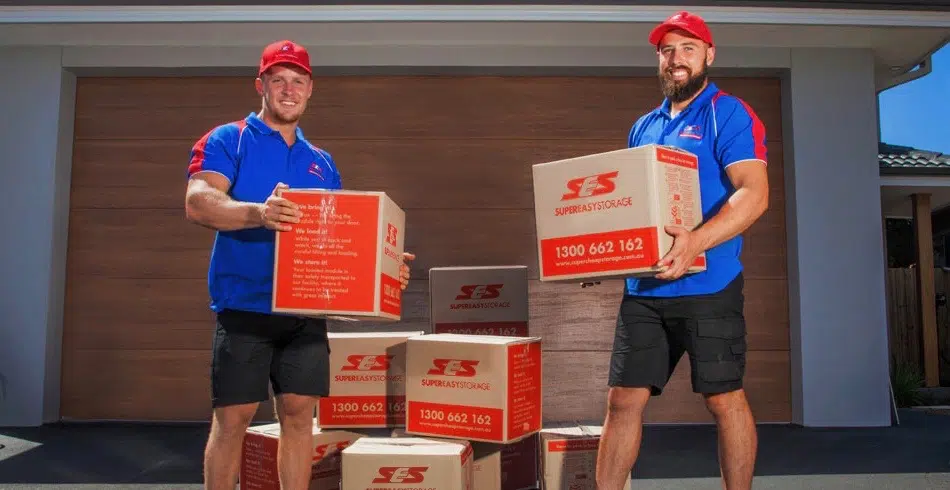
Protecting important paperwork shouldn’t be complicated. With Super Easy Storage – Australia’s largest mobile self-storage operator — your module arrives at your door, you load once (or let our AFRA-certified team handle it), and we store everything securely in our monitored warehouse.
Why Australians Choose Super Easy Storage:
- Door-to-you delivery — no hiring trailers or visiting storage centres
- Single handling system reduces damage risk
- Secure, monitored warehouses with controlled access
- Only pay for the space you use
- Free protective blankets included with every module
- Trusted by 100,000+ customers
- AFRA-certified loading teams available
- Short- and long-term storage flexibility
No hidden fees. No lock-in contracts. No double handling. Storage from just $3.25/day in Sydney. Get your fast quote today and see how easy secure document storage can be.