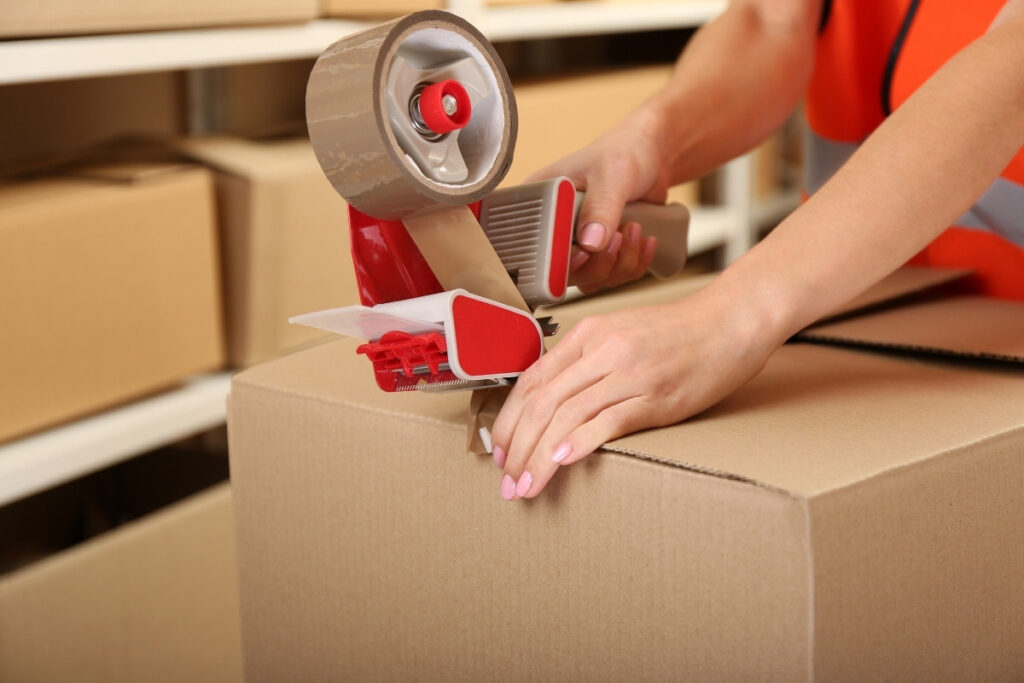
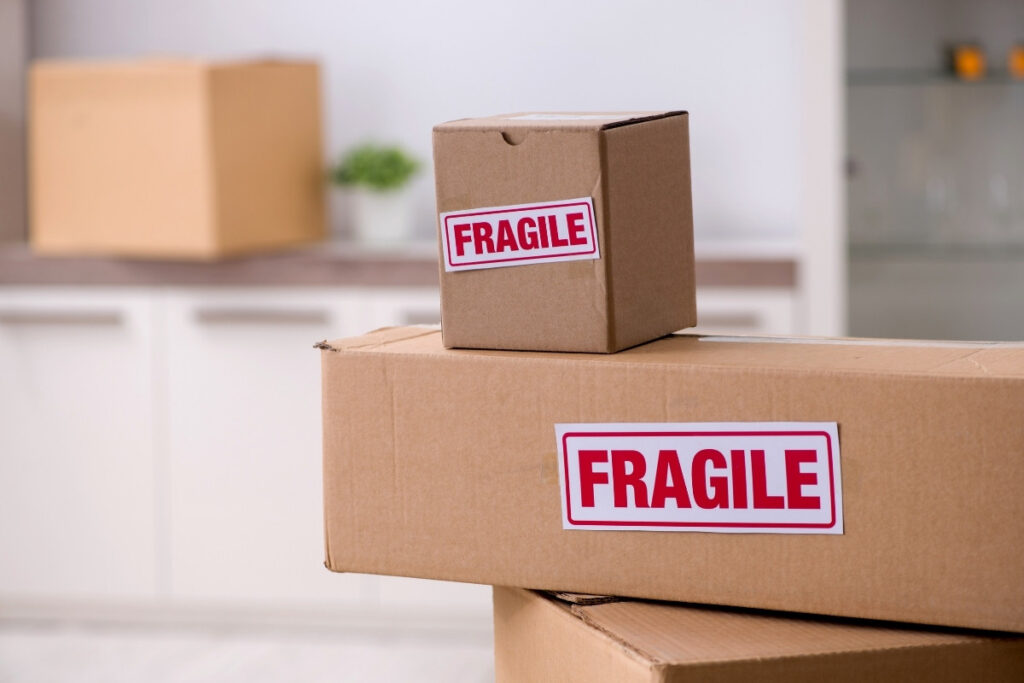
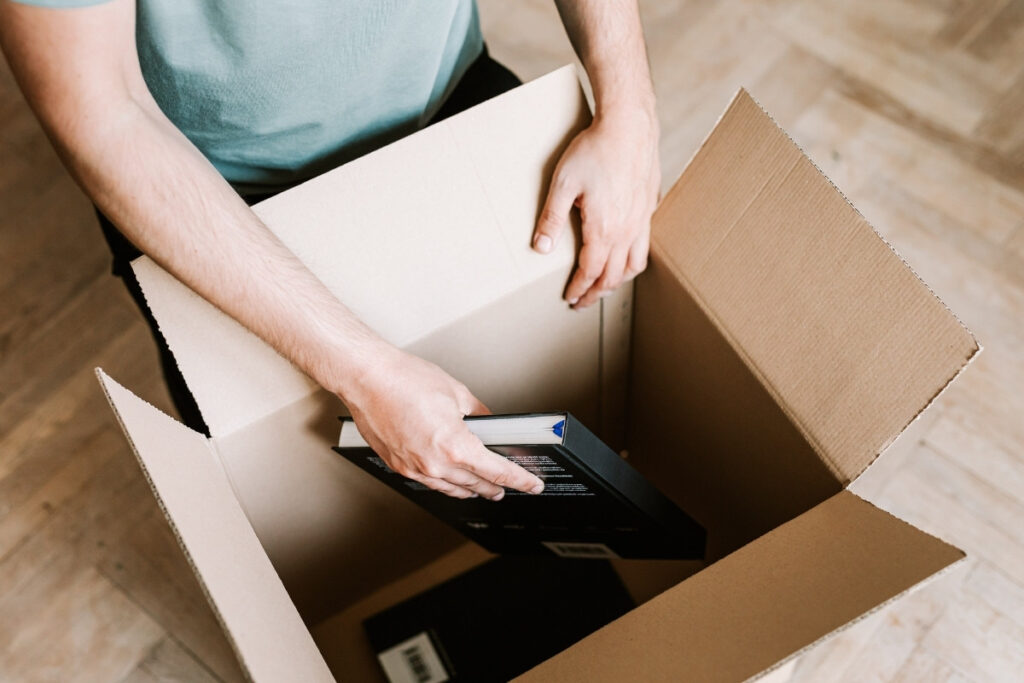
How To Pack Kitchen Appliances For Moving Without Damage Or Injuries

Kitchen appliances are some of the hardest items to move. They’re heavy, awkwardly shaped, and often contain hidden components that can be damaged if they’re packed incorrectly. Add the fear of scratches, leaks, or lifting injuries, and it’s no surprise appliances cause stress during a move.

The good news is that kitchen appliances can be packed safely with the right preparation. This guide walks you through how to pack kitchen appliances for moving, covering both small and large appliances, with clear steps that reduce damage and injury risk. It also explains how packing changes when appliances are going into storage rather than straight into a new home.

What To Do Before Packing Kitchen Appliances

Preparation is the most important part of packing appliances safely. Rushing this step leads to most problems later.

Start by cleaning and drying all appliances thoroughly. Any food residue or moisture left inside can cause mould or corrosion. Drain water lines from dishwashers, fridges with ice makers, and coffee machines. Disconnect power cords and hoses carefully, following manufacturer instructions if available.

Remove or secure loose parts such as racks, trays, shelves, and filters. These should be wrapped separately to prevent movement. Taking quick photos of how appliances are connected can make reinstallation much easier.

If an appliance is particularly heavy, hard-wired, or awkward to move, this is the point where professional help is worth considering for safety reasons. Many people also find it helpful to follow a structured moving house checklist so heavy appliances aren’t left to the last minute.

Packing dishes and kitchen items with towels inside a moving box.

Packing Supplies You’ll Need For Appliances

Appliances need stability and protection, not tight compression.

Where possible, use appliance boxes designed to support weight and shape. If these aren’t available, sturdy boxes combined with padding work well. Moving blankets and towels provide excellent cushioning and help manage moisture. Bubble wrap should be used selectively to protect fragile components, not wrapped tightly around entire appliances.

Stretch wrap is useful for securing doors and keeping cords in place, but it should never be used to seal moisture inside an appliance. Zip ties or labelled bags are ideal for keeping cords, hoses, and accessories together.

The goal is to prevent movement and impact, while still allowing appliances to stay dry and ventilated.

How To Pack Small Kitchen Appliances

Small appliances may be lighter, but they’re often more fragile internally.

Kettles, Toasters, Blenders, Coffee Machines

Before packing, empty each appliance completely and allow it to dry fully. Remove detachable parts such as lids, blades, filters, or water reservoirs. Wrap each appliance individually using towels or bubble wrap, paying attention to spouts and control panels.

Pack appliances upright in a box with cushioning on all sides so they don’t shift during transport. Never pack small appliances loose or stacked directly against each other without padding.
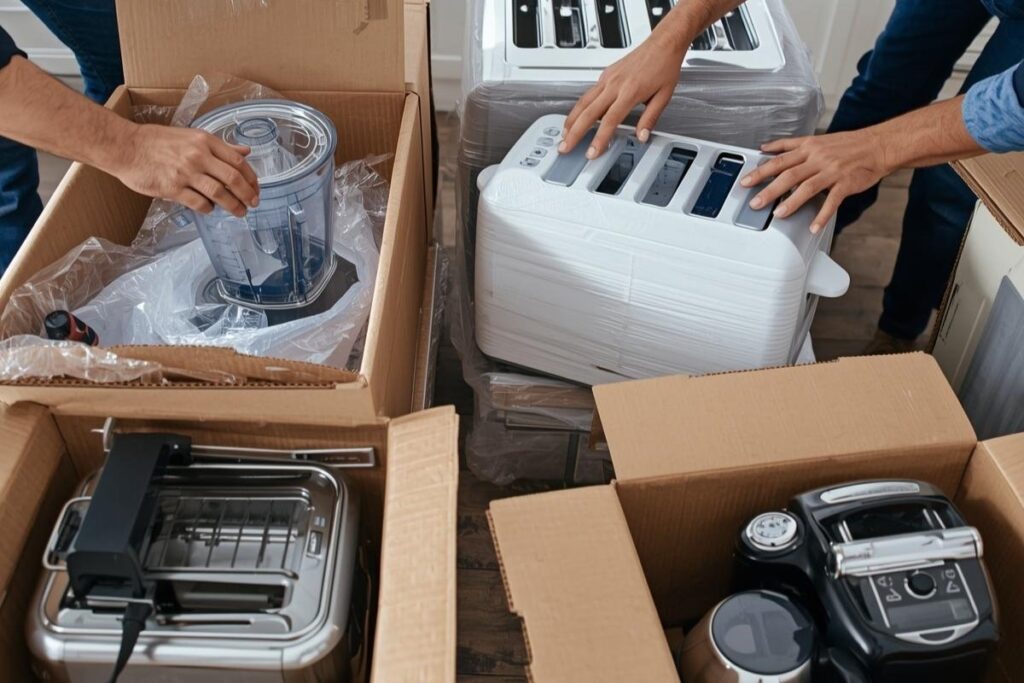
Kitchen appliances safely packed in cardboard boxes for moving.

Microwaves

Microwaves require extra care because of their glass components. Remove the glass turntable and roller ring, wrap them separately, and place them back inside the microwave cavity with padding if space allows.

Secure the door with stretch wrap rather than tape, which can damage surfaces. Always pack microwaves upright and cushion all sides to prevent movement or impact.

How To Pack Large Kitchen Appliances

Large appliances carry a higher risk of both damage and injury, so preparation and positioning are critical.

Fridges And Freezers

Empty fridges and freezers completely and defrost them 24 – 48 hours before moving. Dry the interior thoroughly to prevent mould and odours. Remove shelves and drawers and wrap them separately.

If the appliance is going into storage, keep the door slightly ajar to allow airflow. Secure doors gently with stretch wrap to prevent swinging, not to seal them shut.

Dishwashers And Washing Machines

Drain all hoses completely before moving. If the appliance has a drum or internal moving parts, secure them according to manufacturer guidelines. Pack hoses, filters, and fittings separately in labelled bags.

Dishwashers and washing machines should always be transported upright to avoid internal damage.

Ovens And Cooktops

Remove oven racks and wrap them separately. Protect glass doors or panels with padding, and avoid placing any heavy items on top of ovens or cooktops during transport or storage.

Why Kitchen Appliances Are Tricky To Move

Kitchen appliances are damaged during moves for a few common reasons, and most of them are preventable.

Residual moisture is a major issue. Even small amounts of water left inside fridges, dishwashers, or coffee machines can lead to rust, mould, and unpleasant odours once the appliance is sealed and stored. Loose internal parts are another risk. During transport, vibration can crack fittings, break glass trays, or damage internal components.

Weight and shape also play a role. Appliances are difficult to lift safely, increasing the risk of back and shoulder injuries if they’re handled incorrectly. Finally, heat and time can affect electrical components during storage if appliances aren’t prepared properly.

Correct preparation isn’t just best practice, it’s how you prevent long-term damage.
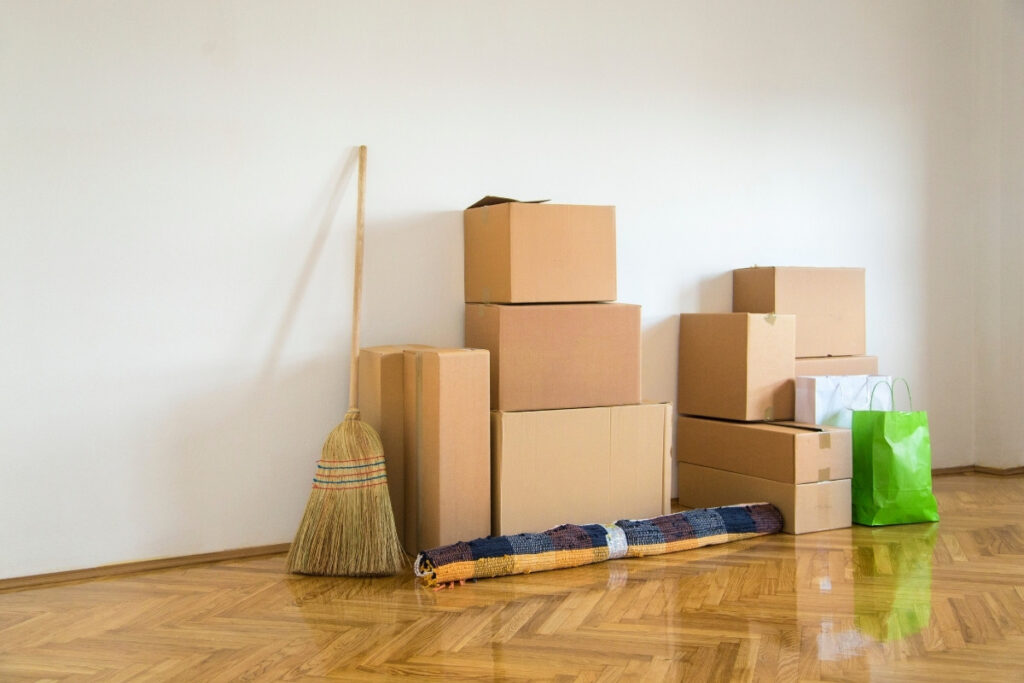
Why Kitchen Appliances Are Tricky To Move

Packing Kitchen Appliances For Storage Vs Moving Day

Packing appliances for storage requires a slightly different mindset than packing for same-day moving.

For storage, appliances must be completely dry, well-ventilated, and handled as few times as possible. Moisture left inside an appliance is far more likely to cause damage over time than during a short move.

Most appliances are safe to store long-term if they’re clean, dry, and packed upright. Damaged, damp, or obsolete appliances are often better repaired, sold, or replaced rather than stored.

Appliances are more likely to fail due to repeated moving and re-handling than from being stored securely. This is one reason many people compare mobile storage versus traditional storage when appliances need to be held safely between move stages.

If you’re unsure how much space packed appliances will take once padded, Super Easy Storage’s Storage Calculator can help you estimate the right amount of storage space before you move or store anything:

Common Appliance-Packing Mistakes To Avoid

Some mistakes cause immediate damage, while others create problems weeks or months later.

Avoid packing appliances with moisture still inside, as this leads to rust and mould. Don’t tape doors shut directly with adhesive tape, which can damage finishes. Loose cords and hoses can snag or break if they’re not secured properly.

Never lay appliances flat if they’re designed to stay upright, and don’t rely on shrink wrap alone without padding. These mistakes can result in cracked components, electrical faults, or even voided warranties.

What To Pack Separately For Moving Day

Set aside essential appliances you’ll need straight away. This often includes a kettle, microwave, or coffee machine. Keep power cords, manuals, and basic cleaning supplies accessible so appliances can be reconnected safely.

This small step reduces frustration and prevents last-minute box digging after a long move.
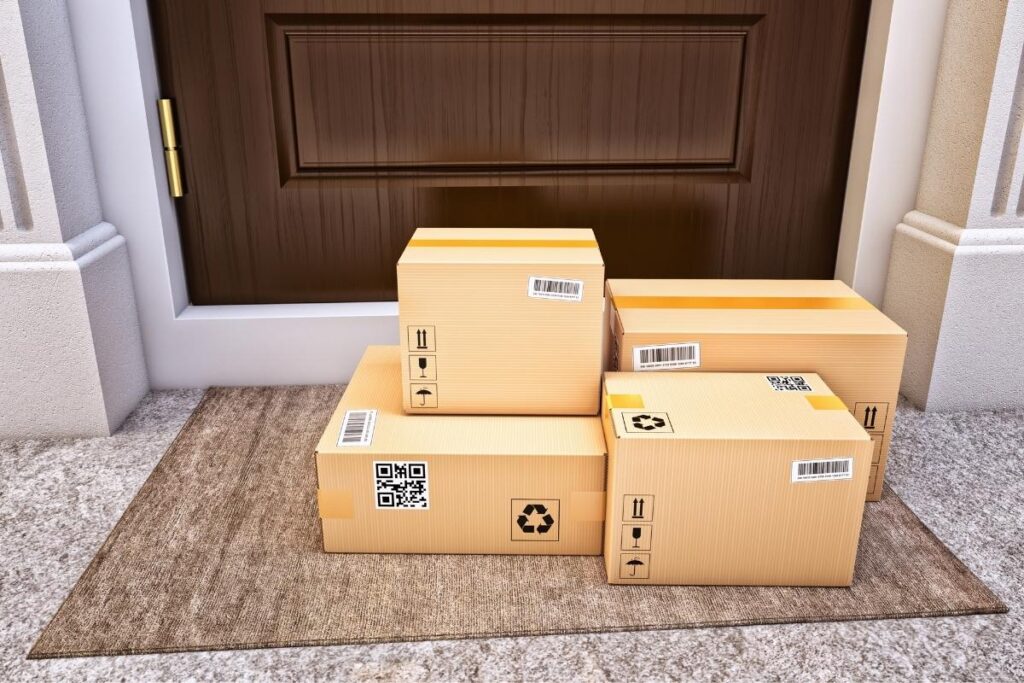
Pack essential appliances separately for moving days

How Super Easy Storage Helps Protect Kitchen Appliances

When timelines don’t line up or space is limited, Super Easy Storage offers a practical way to protect bulky kitchen appliances. Appliances are packed once and stored securely, reducing lifting, re-handling, and the risk of damage.

Flexible mobile storage timing works well for renovations, downsizing, or staggered moves, helping keep appliances packed, protected, and out of the way until you’re ready to use them again.

This approach reflects the practical differences outlined in why Super Easy Storage is different, where minimising handling is key to protecting bulky or fragile items.

Pack Once, Protect Your Appliances

Kitchen appliances last longer when they’re cleaned, dried, stabilised, and handled as little as possible. Thoughtful packing reduces damage, lowers injury risk, and makes reconnection easier at your new place.

When moving timelines are tight or uncertain, packing once and using secure storage can be a practical way to protect valuable appliances and simplify the move with support from Super Easy Storage.
Pack Your Kitchen Appliances With Super Easy Storage

FAQs

Can Kitchen Appliances Be Stored Long-Term?

Most can, as long as they’re clean, dry, and stored upright in a ventilated environment.

Should Appliance Doors Be Taped Shut?

Doors should be gently secured with stretch wrap, not sealed tightly with tape.

How Do You Prevent Rust Or Mould?

Thorough drying and airflow are key. Never store appliances with moisture inside.

Can Appliances Be Stored In A Garage Or Storage Unit?

Yes, if the space is dry, secure, and suitable for appliance storage.

The Right Way To Pack Bathroom Items For Moving

Packing the bathroom is one of those jobs people put off until the last minute, and it’s easy to see why. Leaky bottles, half-used products, glass containers, and daily essentials can quickly turn into a messy, frustrating task if they’re not handled properly.

The good news is that bathroom items are very manageable when you pack them with a bit of planning. This guide walks you through how to pack bathroom items for moving in a clean, organised way that prevents leaks, reduces breakage, and makes unpacking far less stressful. 

Prepare And Declutter Your Bathroom Before Packing

Before you pack a single bottle, take time to declutter. Bathrooms tend to collect products that are expired, nearly empty, or rarely used, and these items cause most moving-day messes.

Start by sorting items into keep and toss piles.

Toss Responsibly:

  • Expired medications (follow local disposal guidelines or pharmacy advice)
  • Old cosmetics and skincare
  • Nearly empty bottles that aren’t worth the risk of leaking

Keep And Pack Carefully:

  • Frequently used toiletries
  • Prescription medications
  • Unopened or high-value products

Decluttering your bathroom before packing does more than reduce the number of boxes. It removes half-used and unnecessary items that are most likely to leak, lightens the overall load, and makes unpacking faster and cleaner at your new place.

Many people also find it helpful to pair this step with short-term storage, using a decluttering your home with self-storage approach so only the items they actually need are packed and moved right away, while everything else stays safely out of the way.

Man organising essential toiletries and personal items.

Packing Supplies You’ll Need For Bathroom Items

Bathroom packing is all about containment and protection. The right supplies make a noticeable difference.

Core Supplies:

  • Ziplock bags: Contain leaks and group small items together
  • Cling wrap or shrink wrap: Seals bottle caps before packing
  • Small, sturdy boxes: Prevent overloading with heavy liquids
  • Padding: Towels, packing paper, or bubble wrap protect fragile containers

Eco-Friendly Alternatives:

  • Reusable containers or tubs
  • Towels instead of bubble wrap
  • Washable zip pouches for toiletries

Bathroom items often take up more room than expected because of padding and leak protection. Planning for this upfront prevents repacking later. Planning box size and layout in advance, similar to recommendations in how to choose the right size storage unit helps avoid last-minute repacking.

How To Pack Bathroom Items By Type

Packing bathroom items works best when you group them by function, not by where they were stored.

Liquids And Toiletries (Shampoo, Lotions, Cleaners)

Liquids need the most attention.

  • Wrap or tape bottle caps so they can’t loosen
  • Place each bottle inside a sealed plastic bag
  • Pack bottles upright, never on their side
  • Use towels or padding around them to absorb minor leaks

Most bathroom damage starts with one leaking bottle. Containing each item individually helps prevent a single spill from ruining everything else.

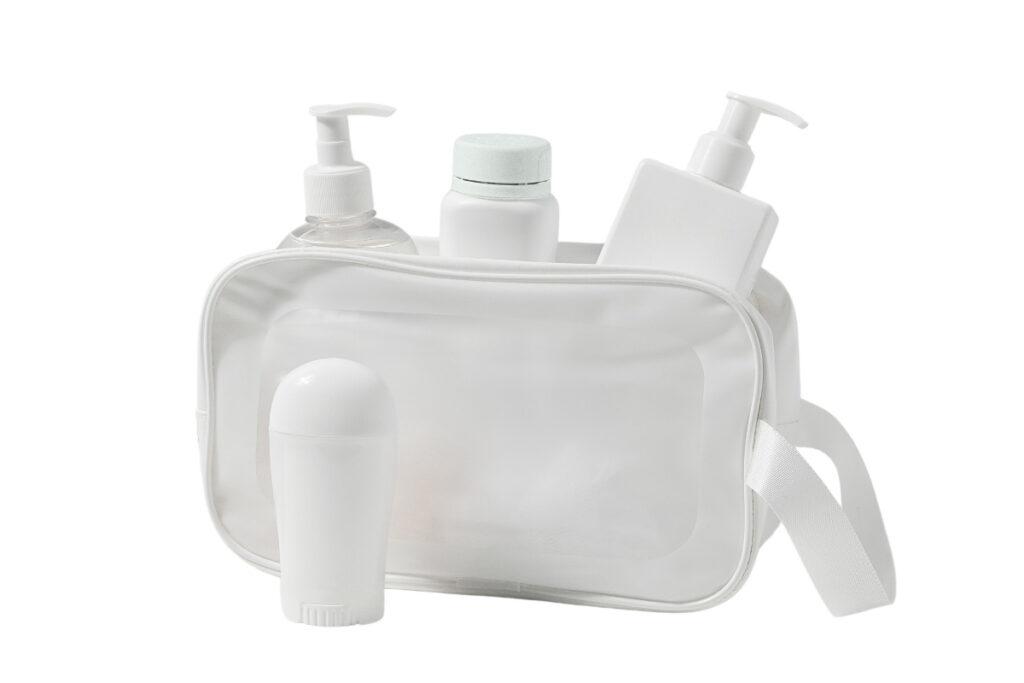
Toiletry bag with bathroom items packed for moving.

Medicines And First Aid Supplies

Medication should always be easy to access.

  • Keep essential medications separate from packed boxes
  • Store prescriptions securely and upright
  • Avoid packing medicines where they’ll be exposed to heat
  • Label clearly if medications must go in a box

It’s a good idea to carry a small first-aid kit and essential medications in a personal bag on moving day.

Bathroom Electronics (Hair Tools, Electric Razors)

Electrical items are vulnerable to moisture.

  • Make sure items are clean and completely dry
  • Wrap each item individually to protect surfaces
  • Coil cords neatly to prevent damage
  • Pack electronics away from liquids or damp items

Never pack electronics in the same box as toiletries.

Fragile Items (Perfume, Glass Containers, Skincare Bottles)

Glass and delicate containers need extra cushioning.

  • Wrap each item in bubble wrap or towels
  • Pack upright with padding on all sides
  • Label boxes clearly as FRAGILE
  • Avoid placing heavy items on top

Keeping fragile bathroom items in smaller boxes reduces pressure and breakage risk.

Why Bathroom Items Are Tricky To Pack And Why Leaks Happen

Bathroom items cause more moving damage than most people expect and it usually comes down to liquids.

Many toiletries have weak seals, especially once opened. Heat can cause liquids to expand, pressure during transport can loosen caps, and one leaking bottle can soak everything in the box. Cleaning products can also react with each other if they spill, creating strong odours or residue.

Unlike clothes or books, bathroom items often need extra containment, not just a cardboard box. The goal is to assume leaks might happen and pack in a way that limits the damage if they do.

How To Label, Organise, And Seal Bathroom Boxes

Organisation matters just as much as packing.

  • Group items by category, not by drawer or cupboard
  • Use clear labels or colour-coding
  • Add handling warnings like:
    • “Liquids”
    • “Fragile”
    • “This Way Up”

Clear labelling helps ensure boxes stay upright and aren’t stacked under heavier items, reducing the chance of spills or breakage.

Label, Organise, And Seal Bathroom Boxes

Packing Bathroom Items For Storage Vs Moving Day

Bathroom items need to be packed differently depending on whether they’re going straight to a new home or into storage.

For short moves, sealed toiletries and cleaning products are usually fine when packed upright and well contained.

For storage, be more selective:

  • Avoid storing aerosols, flammable products, or half-used chemicals
  • Prioritise unopened or well-sealed items
  • Ensure everything is completely dry before packing
  • Pack liquids so they remain upright and accessible

Bathroom items are most often damaged during repeated handling, not while sitting undisturbed. Packing once and limiting how often boxes are moved significantly reduces risk.

What To Pack Separately For Moving Day

Set aside a small bag or tote with bathroom essentials you’ll need immediately:

  • Toothbrushes and toothpaste
  • Daily skincare and medications
  • Wipes, tissues, and hand sanitiser

This avoids digging through boxes and helps you settle in comfortably on day one.

Pack Bathroom Items Separately For Moving Day

Short On Space? How Super Easy Storage Helps When Moving Bathroom Items

When space or timing is limited, setting aside non-essential bathroom items can make a move easier to manage. Using a mobile self-storage approach allows boxes to be packed once and kept undisturbed, which reduces handling and lowers the risk of leaks spreading between items.

This approach aligns with the principles outlined in why Super Easy Storage is different, particularly for items that are fragile, liquid-based, or prone to damage when moved repeatedly.

Because boxes are packed once and stored securely:

  • Items aren’t tipped, stacked, or rehandled repeatedly
  • Secure storage helps protect against leaks spreading
  • Flexible timelines are ideal for renovations or staggered moves

This works particularly well for spare toiletries, bulk items, and products you don’t need straight away.

Pack Clean, Pack Once

Bathroom items don’t have to be the messiest part of a move. Declutter first, contain liquids properly, protect fragile items, and pack with the assumption that leaks could happen.

When you combine careful packing with reduced handling, you end up with cleaner boxes, less damage, and a smoother unpacking experience. 

If your move involves renovations, timing gaps, or limited space, Super Easy Storage can support this “pack once” approach. By storing bathroom boxes securely until you’re ready for them, you reduce handling, limit the chance of leaks spreading, and make unpacking more controlled.

Your Guide To Moving Heavy Furniture Safely

Heavy furniture is often underestimated during a move. Sofas, wardrobes, dining tables, and bed frames may not look dangerous, but they’re some of the most common causes of injuries, damaged property, and last-minute stress.

The truth is that most moving problems don’t come from a lack of effort or strength. They come from poor planning and repeated handling, lifting items too many times, forcing them through tight spaces, or rushing decisions on moving day.

This guide explains how to move heavy furniture safely, with a focus on preparation, the right tools, and smart planning decisions (including when storage makes a move safer, not harder). The goal is simple: reduce lifting, reduce risk, and move with more control.

Why Moving Heavy Furniture Is Risky Without Proper Planning

Heavy furniture is one of the leading causes of injuries and property damage during moves. Unlike boxes, large items are awkwardly shaped, hard to grip, and often heavier on one side than the other.

Common risk factors include:

  • Weight concentrated in bulky shapes, making balance difficult
  • Limited grip points, especially on smooth or polished surfaces
  • Narrow hallways, stairs, and doorways, where turning space is limited

These conditions often lead to back and shoulder strain, scraped walls, damaged floors, or dropped items caused by fatigue or loss of balance. Many of these issues happen after the first lift, when furniture is repositioned repeatedly to “make it fit.”

Planning tools, such as measuring furniture and calculating storage place, reduce how often heavy items need to be lifted or moved, which significantly lowers risk.

Packed household items and boxes ready for storage.

Must-Have Tools And Equipment To Move Heavy Furniture Safely

The right equipment helps, but tools work best when paired with planning.

  • Furniture dollies: Allow heavy items to be rolled instead of carried, reducing strain on your back and arms.
  • Furniture sliders: Useful for repositioning items across carpet or hard floors without lifting.
  • Lifting straps or harnesses: Help distribute weight across larger muscle groups and improve control when carrying bulky items.
  • Protective materials: Moving blankets, wrap, and corner protectors reduce surface damage and improve grip.

Just as important as physical tools is knowing where the furniture is going. Choosing the right setup in advance, whether short-term or longer-term, often comes down to understanding how to choose self-storage based on access, layout, and item size so that furniture doesn’t need to be lifted, lowered, and repositioned multiple times. 

How To Prep Large Furniture For Storage Or Transit

Preparation reduces both physical effort and damage.

Start by disassembling furniture where possible. Remove legs, shelves, bed frames, and detachable parts. Bag and label screws and hardware so nothing is lost.

Next, wrap and protect surfaces. Use blankets or wrap on corners, edges, and delicate finishes to prevent chips and scratches.

Finally, measure everything, height, width, and depth of each large item. This is especially important for wardrobes, dining tables, couches, and modular furniture. Accurate measurements not only prevent access issues but also help avoid overpaying or overcrowding, especially when using guidance on how to choose the right size storage unit

Once measurements are done, you can use the Super Easy Storage Storage Calculator to pre-plan the right amount of space. This avoids guessing, prevents choosing a unit that’s too small (or unnecessarily large), and reduces:

  • Time spent moving items
  • Injury risk from repeated lifting
  • Damage during repositioning
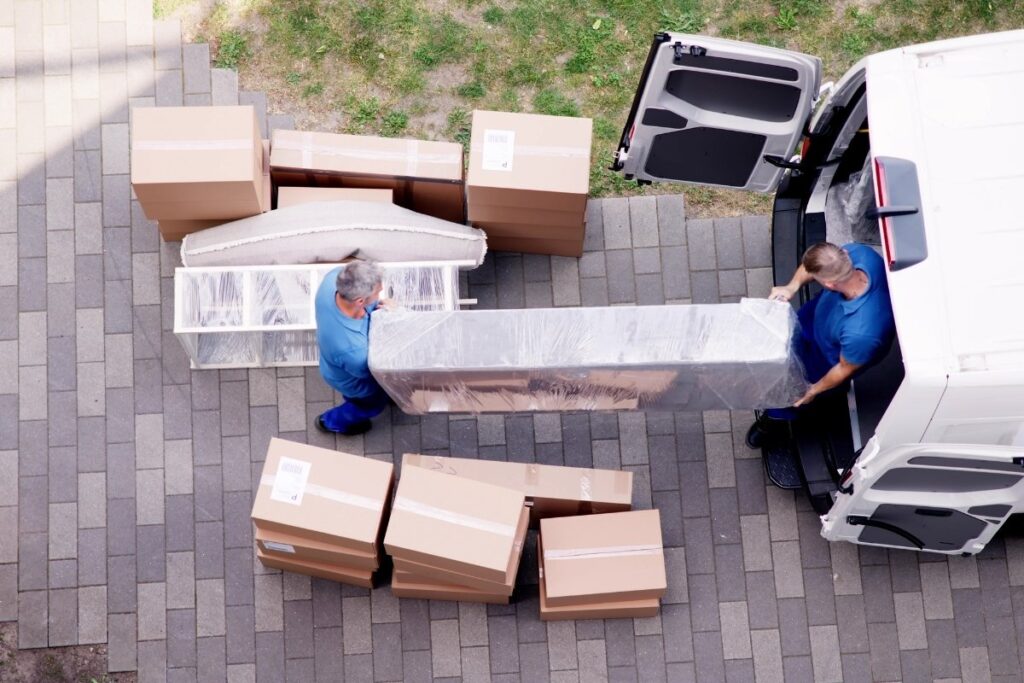
Movers loading wrapped furniture into a moving van.

Techniques For Moving Furniture Without Damage

Safe movement is about control, not force.

  • Lift with your legs, not your back
  • Keep furniture upright where possible
  • Tilt and pivot instead of dragging
  • Clear pathways before lifting anything
  • Communicate clearly if moving with another person

When furniture has a planned destination, whether a room or a storage unit, there’s less need for awkward manoeuvring in tight spaces. Fewer adjustments mean less handling, less damage, and lower injury risk.

Moving Heavy Furniture When You’re On Your Own

Moving alone changes the risk level. Some items simply aren’t safe to lift solo.

If you’re on your own:

  • Use sliders and dollies instead of lifting
  • Break the move into stages rather than rushing
  • Stage furniture in accessible areas
  • Avoid stairs and narrow turns whenever possible

If an item feels unstable, too heavy, or difficult to control, forcing it often leads to injury. In these situations, storage can be a safer option than trying to complete everything in one day.

Man struggling to carry a heavy sofa alone.

Tips For Moving Furniture Into A Storage Unit

How furniture is placed in storage affects safety just as much as how it’s lifted.

  • Place heavy items on the bottom
  • Keep flat surfaces against walls for stability
  • Leave small access aisles if items may need to be retrieved
  • Label large wrapped items clearly

Choosing the right-sized storage unit upfront makes stacking easier, prevents overcrowding, and avoids the need to lift and re-stack heavy items multiple times.

When You Should Call A Pro 

Calling for help is a safety decision, not a failure.

Consider professional support if:

  • Furniture is oversized or extremely heavy
  • There are stairs, narrow access points, or multiple storeys
  • Timelines are short or physical limitations are present
  • Items are high-value or fragile

In some cases, Super Easy Storage can assist with pick-up, packing, transport (where available), and secure storage, allowing heavy furniture to be moved once and stored safely until needed.

How Super Easy Storage Makes Moving Heavy Furniture Safer

Heavy furniture is safest when it’s handled fewer times. Super Easy Storage uses a mobile storage approach that supports this principle.

Furniture is packed once, collected, and stored securely, reducing repeated lifting, repositioning, and tight-space manoeuvring. Flexible timing works well for renovations, downsizing, or staggered moves, and helps keep bulky items protected until you’re ready to use them again.

If you’re unsure whether to move heavy furniture yourself, you can use the Storage Calculator to choose the right unit size or speak with the team about planning the safest option.

How Super Easy Storage Makes Moving Heavy Furniture Safer

Pack Smart, Lift Less, Stay Safe

Moving heavy furniture safely isn’t about strength, it’s about preparation, control, and reducing how often items are handled.

By measuring carefully, using the right tools, planning storage space in advance, and avoiding unnecessary re-handling, you protect both your furniture and your body. When timelines or access make moving risky, storage can be a practical way to simplify the process and move at a safer pace with support from Super Easy Storage.

FAQs

How Heavy Is Too Heavy To Move Alone?

If you can’t control the item’s balance or grip comfortably, it’s too heavy to move solo.

What Causes Most Moving Injuries?

Most injuries happen during repositioning: twisting, lowering, or forcing items through tight spaces.

Should Heavy Furniture Be Dismantled Before Moving?

Yes. Disassembly reduces weight, improves grip, and makes movement safer.

Is It Safer To Store Furniture Instead Of Moving It All At Once?

Often, yes. Storage reduces rushed lifting and repeated handling.

Can Heavy Furniture Be Stored Short-Term Safely?

Yes, when it’s wrapped properly and placed in a suitable storage unit.

How To Pack Clothes For Moving: A Simple, Wrinkle-Free Guide

Packing clothes should be the easy part of a move, but it often turns into bulging suitcases, creased outfits, and a frustrating unpacking mess. The good news is that clothes are easy to handle when they’re packed the right way.

This guide shows you how to pack clothes for moving using simple, practical methods that reduce wrinkles, save space, and make unpacking faster. Whether you’re moving across town, renovating, or storing items for a while, the steps below help keep your clothes clean, organised, and ready to wear when you need them.

Types Of Clothes And Why They Matter During A Move

Not all clothes behave the same once they’re packed. Understanding how different garments react to pressure, folding, and time helps you choose the right packing method and avoid unnecessary damage.

Some clothes hold their shape well, while others crease easily. Structured items like suits and coats rely on hangers to maintain form, while casual wear can be folded tightly without issue. Delicate fabrics such as silk, linen, or wool are more sensitive to compression and moisture.

For packing purposes, most wardrobes fall into four groups:

  • Hanging garments (dresses, suits, coats)
  • Folded casual wear (T-shirts, jeans, knitwear)
  • Delicate or expensive items
  • Shoes and accessories

Matching the packing method to the clothing type saves space, reduces wrinkles, and makes unpacking far easier.

These same principles apply when items are stored for weeks or months, which is why it’s worth reviewing best practices on how to pack for self-storage before you begin.

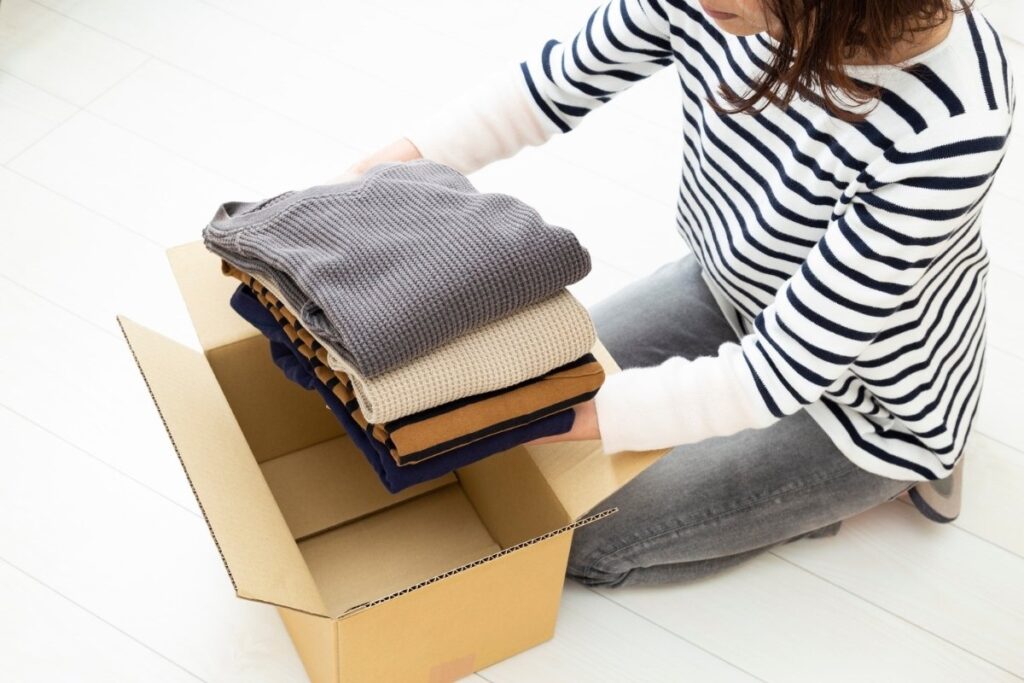
Packing folded clothes into a cardboard box.

Why Clothes Get Damaged During Moves And How To Prevent It

Clothes rarely suffer because they’re fragile. Damage usually happens because of compression, moisture, heat, and repeated handling.

Overstuffed boxes and vacuum bags compress fibres, leading to deep creases that are hard to remove. Plastic bags can trap moisture, which causes odours or mildew, especially in warm or humid conditions. Heat, time, and pressure together can weaken fabrics, while repeatedly unpacking and repacking stretches garments out of shape.

The most reliable way to protect clothes is to pack them appropriately once and minimise handling. Breathable materials, sensible packing density, and stable storage conditions make a noticeable difference.

Best Methods For Packing Clothes By Category

There’s no single “right” way to pack clothes, only methods that suit different garments better than others. Below are practical options by category.

Clothes folded and packed inside a box.

Hanging Clothes (Dresses, Suits, Coats)

Hanging Clothes are structured garments designed to hang. Folding them introduces creases that are difficult to remove.

Wardrobe boxes are the best option for full moves. Clothes stay on their hangers and are hung directly onto the internal rail, keeping their shape intact. The downside is that these boxes cost more and can waste space if they’re underfilled.

Garment bags work well for short-distance moves or temporary storage. They protect clothing from dust and light moisture, but thin garment bags don’t provide enough structure for long journeys or heavy handling.

If you’re packing hanging clothes for longer storage, ensure garments are clean and spaced slightly apart to allow airflow.

Folded Clothes (T-Shirts, Jeans, Casualwear)

Casual clothing is the easiest category to pack and the most space-efficient when folded.

Suitcases should be your first choice. They’re designed for clothing, easy to move, and protect contents well. After that, sturdy cardboard boxes work fine. For very local moves, folded clothes can sometimes stay in drawers if the furniture is moved carefully.

If you use space-saving folding methods (such as vertical folding), treat them as optional tools, not requirements. The priority is keeping clothes clean, dry, and not over-compressed.

Delicate Or Expensive Clothing

Delicate items include silk, linen, wool, embellished pieces, and anything with sentimental or high monetary value.

Pack these with extra care:

  1. Ensure garments are clean and completely dry
  2. Wrap items individually using tissue or acid-free paper
  3. Choose the protection method:
    • Garment bags for hanging items
    • Padded boxes for folded items
  4. Avoid stacking heavy garments on top. 
  5. Leave breathing room to prevent compression

Store delicate items separately from everyday clothes and label boxes clearly as “Delicate Clothing – Do Not Stack.”

For garments that are sensitive to humidity or temperature changes, choosing a stable environment such as a climate-controlled self-storage unit can significantly reduce long-term fabric damage.

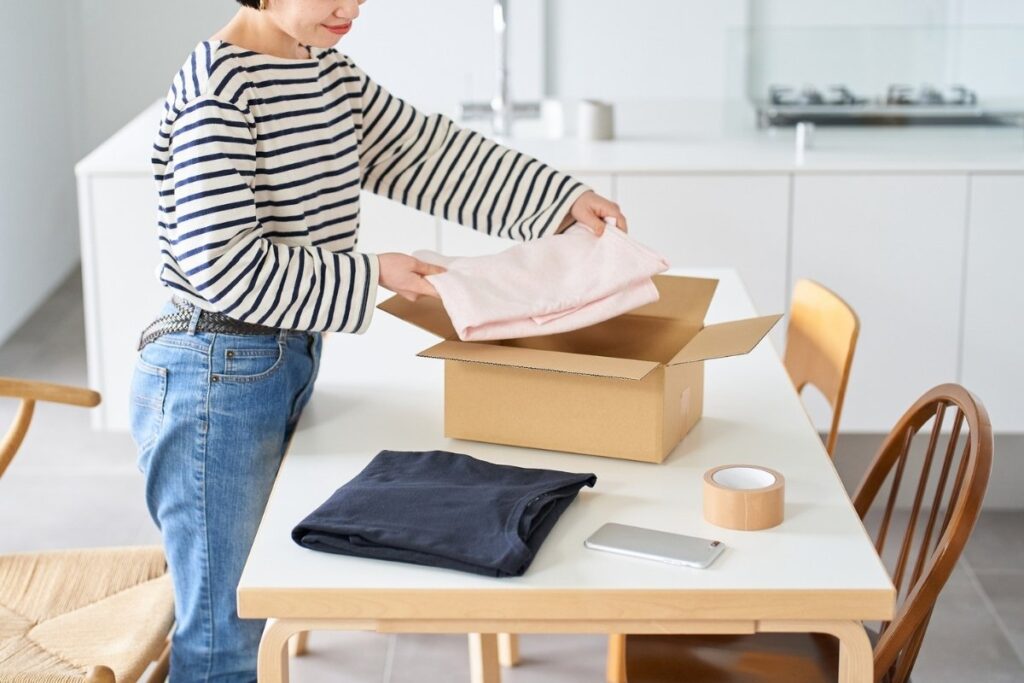
Folding clothes and packing them into a box at home.

Shoes and Accessories

Shoes should always be clean and dry before packing.

Best methods:

  • Original shoe boxes (ideal)
  • Wrapped individually in paper or dust bags

Pack shoes with soles facing down and place heavier pairs at the bottom. Keep pairs together or label left and right clearly. Avoid packing shoes loose with clothing to prevent dirt transfer.

Accessories are easiest when grouped:

  • Belts and scarves: roll and place in small bags
  • Jewellery: use travel organisers or wrap pieces individually
  • Hats: pack crown-up, filled with soft items to maintain shape

Common Clothes-Packing Mistakes To Avoid

Clothes are often treated as “easy” items, which leads to avoidable problems.

Common mistakes include:

  • Overstuffing boxes or suitcases, making them heavy and hard to lift
  • Packing unwashed clothes, allowing dirt, sweat, and oils to set into fabric
  • Relying on vacuum bags for long-term storage, which can cause permanent creasing
  • Forgetting essentials, leaving you searching through boxes later

Shortcuts like garbage-bag hacks can work for very short, same-day moves, but they trap moisture and crease clothes during storage. Most damage comes from over-compression and poor airflow, not from clothes being moved at all.
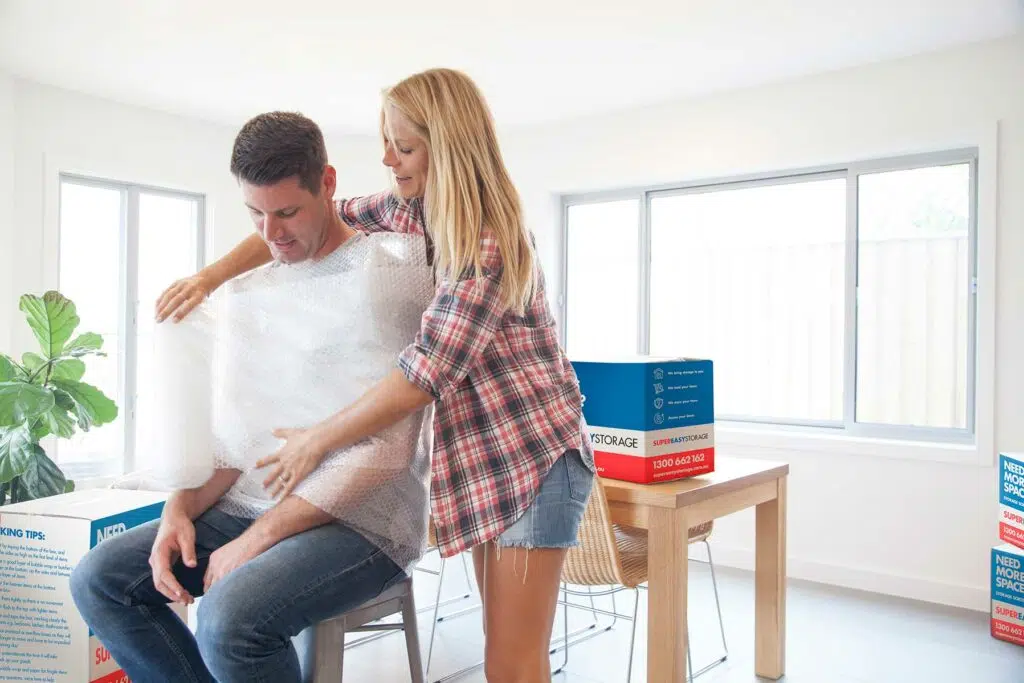
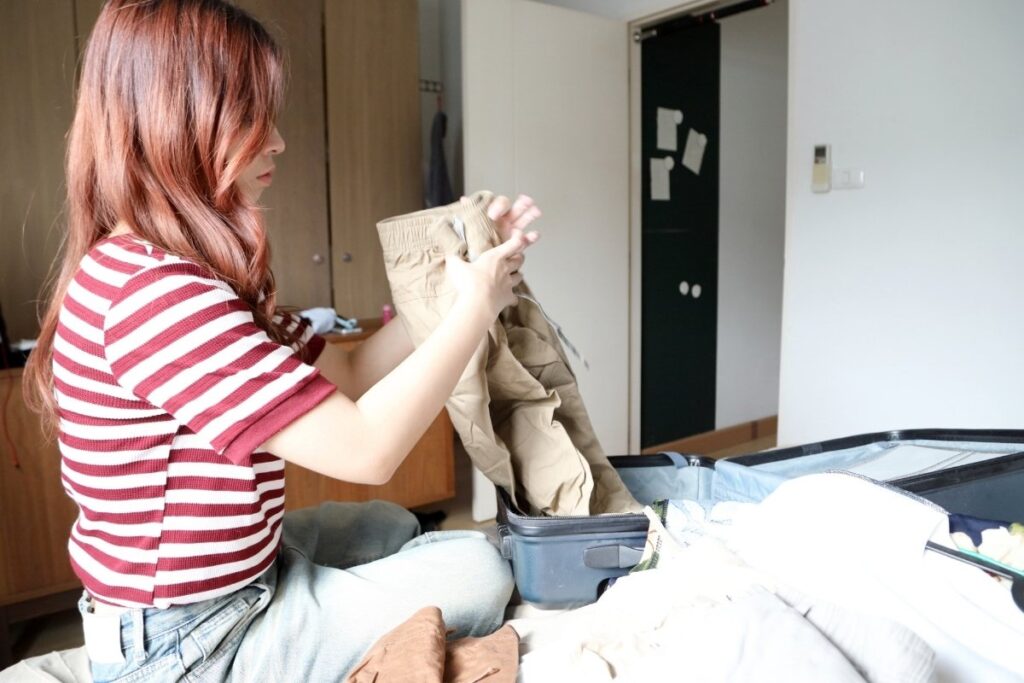
Placing clothes while avoiding mistakes into a suitcase

How To Unpack And Organise Clothes At Your New Place

Unpacking clothes thoughtfully helps you settle in faster and reduces post-move overwhelm.

Start with an open-first suitcase or box containing essentials. Then unpack in this order:

  1. Hanging clothes
  2. Daily wear
  3. Seasonal or occasional items

Group clothes by type or how often you wear them. Simple wardrobe zones or drawer dividers make organisation easier. If clothes have been stored, airing them out before hanging helps refresh fabrics and remove any lingering smells.

How Super Easy Storage Makes Moving Clothes Easier

Clothes benefit from fewer packing and unpacking cycles. Super Easy Storage offers a mobile self-storage approach that helps protect clothing during moves and transitions. Unlike traditional facilities, mobile storage compared to traditional self-storage allows clothes to be packed once and left undisturbed until redelivery, reducing compression and handling.

Because items are packed once and kept in the same storage pod:

  • Clothes experience less handling and compression
  • Secure facilities help protect against moisture and damage
  • Flexible timelines make it easier when move-in and move-out dates don’t line up

This approach works particularly well for renovations, downsizing, or staged moves where clothes don’t need immediate access.

How Super Easy Storage Makes Moving Clothes Easier

Pack Once, Pack Smart

Packing clothes doesn’t need to be complicated. By matching packing methods to clothing types, avoiding over-compression, and allowing fabrics to breathe, you can move or store clothes with minimal wrinkles and stress.

Whether you’re heading straight into a new home or taking a bit more time between spaces, careful packing goes a long way toward keeping your wardrobe in good condition. This approach to packing reflects how services like Super Easy Storage support smoother moves, especially when timing or space is limited.

How To Pack Glasses For Moving: A Complete Guide

Packing glassware is one of the most stressful parts of any move. Glasses are fragile, awkwardly shaped, and often hold both practical and sentimental value. One small mistake can lead to cracks or breakage before you even reach your destination.

This guide is designed to walk you through how to pack glassware properly when you’re moving. We’ll cover what to do before you start, which materials actually matter, step-by-step packing techniques, common mistakes to avoid, and how mobile self-storage can reduce the risk of damage by cutting down handling.

How To Prepare Before Packing Glasses

Good packing starts before the first sheet of paper is unrolled. Taking a few minutes of your time to prepare properly can significantly reduce breakage later.

Cardboard boxes filled with glasses stacked at a front door.

Start With An Inventory.

List the glassware you plan to move: tumblers, wine glasses, mugs, decorative pieces, or heirloom items. This helps you estimate how many boxes and materials you’ll need, and it’s also a good opportunity to decide what’s worth keeping. Many people find it useful to declutter before moving or storing items so they’re not packing fragile items they no longer need.

Gather The Right Supplies.

Have everything ready before you begin: sturdy medium-sized boxes, packing paper, bubble wrap for fragile pieces, strong tape, and markers. If you have dividers or dish-pack inserts, set them aside for glassware.

Prepare Your Boxes Properly.

Reinforce the bottom of each box with tape. Add a thick cushioning layer of crumpled paper or bubble wrap at the base to absorb impact.

Clean And Dry Everything.

Any moisture left inside glasses can lead to odours or residue during storage. Therefore, drying items thoroughly before wrapping is a must.

Group Similar Items Together.

Packing glasses of similar size and shape together makes wrapping and arranging them in boxes far more stable.

Step-By-Step Instructions: How To Pack Glassware For Moving

Packed boxes and household items, including glassware in an empty room.

Step 1: Prepare Your Packing Area

Set up a clear surface with packing paper, bubble wrap, tape, and boxes within reach. Packing in one continuous session helps keep things consistent.

Step 2: Reinforce And Line Boxes

Tape the bottom seams thoroughly. Add a thick layer of crumpled paper or bubble wrap to create a shock-absorbing base.

Step 3: Wrap Each Piece Individually

For everyday glasses, roll each one diagonally in packing paper until fully covered. Secure lightly with tape if needed.

For wine glasses and stemware:

  • Stuff the bowl lightly with paper
  • Wrap the bowl first
  • Wrap the stem separately
  • Add bubble wrap around the entire piece if it’s especially fragile

If you’re packing items for short-term holding, following best practices for packing items for self-storage applies equally well to glassware.

Step 4: Arrange Glassware In The Box

Place glasses upright, never flat. Heavier items go at the bottom. If using dividers, place one glass per compartment. Keep similar sizes together for stability.

Step 5: Fill Every Gap

Use crumpled paper or soft materials to eliminate empty space. Movement inside the box is one of the biggest causes of breakage.

Step 6: Seal And Label Clearly

Close the box, tape all seams, and label it clearly as FRAGILE – GLASSWARE, marking “THIS SIDE UP” on multiple sides.

Why Glassware Breaks During Moves And How To Prevent It

Glass rarely breaks because it’s “too delicate.” It breaks because of pressure, movement, and repeated handling.

Common causes include:

  • Pressure on rims, stems, or bases
  • Vibration during transport
  • Empty space inside boxes that allows items to collide
  • Packing and unpacking multiple times

The most effective way to prevent breakage is to control movement and reduce handling. This is where mobile self-storage can help by avoiding the double handling that often happens during moves

Sourcing Quality Packing Materials For Glassware

Using the right materials makes a measurable difference.
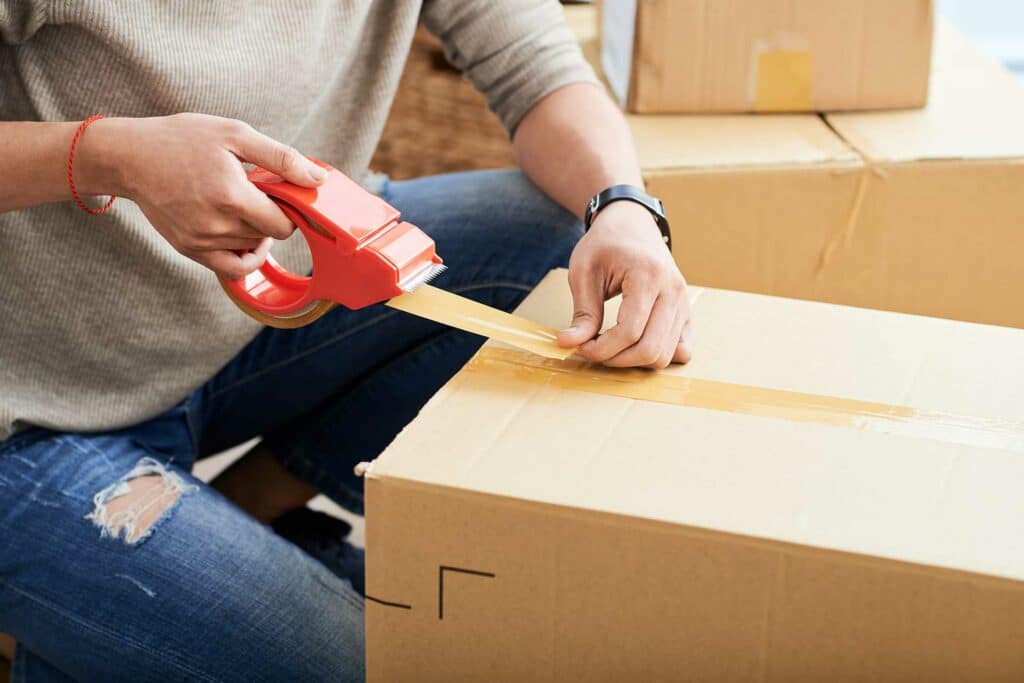
  • Sturdy boxes: Medium-sized boxes are ideal. They’re easier to carry and less likely to collapse under weight.

  • Packing paper: Soft, unprinted paper protects glass surfaces from scratches and creates flexible cushioning.
  • Bubble wrap: Best used as a secondary layer for stemware or delicate items.
  • Cell dividers or dish-pack inserts: These keep glasses separated so they don’t knock into each other.
  • Strong packing tape: Reinforces box seams and prevents splitting.
  • Labels and markers: Clearly mark boxes as “FRAGILE” and indicate which side should stay up.
  • Gap fillers: Crumpled paper, soft cloths, or towels prevent movement inside the box.
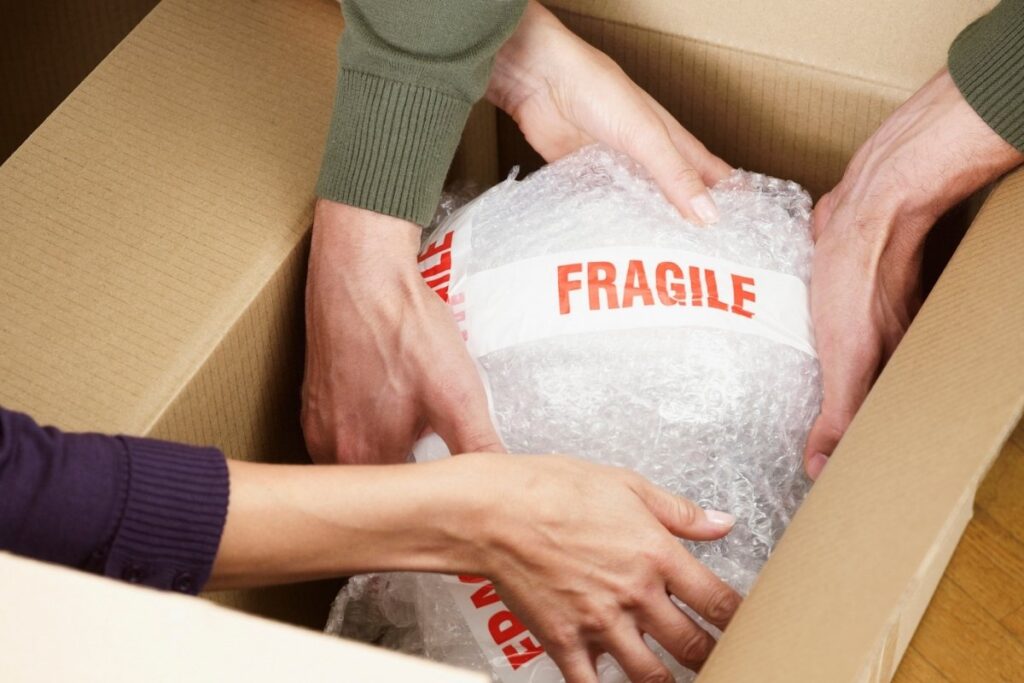
Wrapping fragile items with quality  bubble wrap inside a box.

Best Packing Materials For Glassware

When packing glassware, the goal is simple: to protect the glass surface from scratches and cushion it from impact.No single material does both perfectly on its own, which is why using paper first, then bubble wrap if needed, works best.

Here’s how the two main materials compare and what they’re actually best used for:

FeaturePacking PaperBubble Wrap
What it’s best atProtecting glass surfacesAbsorbing knocks and vibration
Shock absorptionLow on its ownHigh due to air pockets
Surface protectionVery good (prevents scratches)Limited (plastic can rub directly on glass)
Space inside boxesCompact, easy to layerBulky, takes up more room
Environmental impactPaper-based, recyclablePlastic-based

What this means in practice:

  • Packing paper should be your first layer for every glass. It protects the surface and keeps pieces clean and stable.
  • Bubble wrap works best as a second layer for extra cushioning, especially for wine glasses, stemware, or delicate pieces that are more likely to snap or crack.

Packing Glassware For Storage Vs Packing For Moving Day

Packing for storage is slightly different from packing for a same-day move.

For storage, items may sit undisturbed for weeks or months. This means:

  • Denser padding matters more
  • Upright placement is critical
  • Long-term pressure must be avoided

Mobile self-storage reduces risk because items are packed once and left undisturbed, rather than being unloaded, stacked, and reloaded multiple times at a facility.

Common Mistakes That Cause Glassware To Break

Many breakages happen because of avoidable errors:

  • Laying glasses flat instead of upright
  • Overfilling boxes and making them too heavy
  • Mixing glassware with heavy kitchen items
  • Leaving empty space inside boxes
  • Assuming “Fragile” labels alone will prevent damage

Careful packing and controlled handling matter more than labels.

Sealing a moving box with packing tape.

5 Top Tips For Moving With Glassware

Tip 1: Don’t Overfill Boxes

Heavier boxes are harder to carry and more likely to collapse or be dropped.

Tip 2: Label Clearly But Pack Properly First

Labels help, but they don’t replace good padding and snug packing.

Tip 3: Keep Glassware Separate

Avoid stacking glassware boxes under heavy items.

Tip 4: Watch Temperature Changes

Extreme heat or cold can stress glass, especially during longer moves.

Tip 5: Pack Glassware Last

This reduces the time boxes are handled and moved around unnecessarily.

Fragile-labelled boxes stacked indoors.

Should You Hire A Professional Removalist For Packing Glassware?

When Professional Packing Makes Sense

  • Long-distance moves with multiple handling points
  • Very limited time to pack
  • Valuable or irreplaceable glassware
  • Situations where insurance coverage is important

What Professionals Typically Do

Removalists assess your items, use specialised materials, wrap each piece individually, and pack boxes strategically to reduce movement and pressure.

How Mobile Self-Storage Protects Fragile Items Like Glassware

Mobile self-storage works well for fragile items because it reduces handling:

  • Items are loaded once
  • No unloading and reloading at a warehouse
  • Storage pods remain sealed
  • Controlled warehouse environments limit exposure

Fewer handling steps mean fewer chances for damage.

Stacked storage boxes protecting household items and fragile belongings.

Packing Glassware For Moving Made Easier With Super Easy Storage

When done properly, packing glassware doesn’t need to be rushed or risky. Use the right materials, pack each piece individually, eliminate movement inside boxes, and minimise handling wherever possible. For many people, combining careful packing with mobile self-storage provides a calmer, more controlled way to protect fragile items during life’s transitions.

Once your glassware is packed properly, the next concern is keeping it safe until you’re ready to unpack. Super Easy Storage uses a mobile self-storage model where your packed items stay in the same storage pod from pickup to storage and back again. This reduces unnecessary movement and helps protect fragile items like glassware during moves, renovations, or short-term transitions.

FAQs

Can Glassware Be Stored Long-Term?

Yes, as long as it’s packed upright, well-cushioned, and kept in a stable environment.

Can Different Glass Types Be Packed Together?

It’s safer to group similar sizes and shapes to improve stability.

How Many Glasses Should Go In One Box?

A standard medium moving box usually holds:

  • 6-12 wrapped tumblers, or
  • 6-8 wine glasses or stemware, depending on size and padding.

The key limit isn’t the number of glasses, it’s the weight and stability of the box.

Don’t Ruin Your Books When Moving: How To Pack Books For Moving Properly

Most people underestimate how difficult books are to move until a box splits open, a spine bends, or lifting one carton tweaks their back. Books are compact, dense, and often irreplaceable, whether they’re textbooks, novels, family photo albums, or carefully collected hardcovers.

This guide shows you how to pack books for moving safely and simply, without damaging them or overloading yourself. It focuses on practical, repeatable steps that work whether you’re moving straight into a new place or storing books temporarily during a renovation, downsizing, or delayed move.

Everything You Need Before Packing Books

Before you start, set yourself up properly. Having the right materials and a clear plan makes a noticeable difference.

Essential Packing Materials

  • Small, sturdy boxes: Small boxes help keep weight within a safe 15–20 kg range. Large boxes are more likely to fail when filled with books.
  • Packing paper: Protects covers and spines and helps prevent shifting.
  • Bubble wrap (optional): Useful for hardcovers, coffee-table books, or fragile volumes.
  • Strong packing tape: Reinforces box bottoms under heavy loads.
  • Markers: Label boxes clearly as “Books – Heavy.”
Packing Books essential materials

Preparation Tips

  • Clear a flat packing surface.
  • Pre-label boxes before filling them.
  • Set a firm weight limit per box and stop packing once lifting feels strained.

This preparation alone prevents most common book-packing mistakes. It also helps to declutter before moving or storing items so you’re not packing books you no longer need.

How To Pack Books For Moving: Step-By-Step Instructions

Packing books properly follows a simple, repeatable process. These steps focus on keeping boxes manageable, protecting books from damage, and making handling safer.

Step 1: Sort, Declutter, And Decide What’s Worth Moving

Before packing, sort your books into four groups: keep, donate, sell, or store. Books are dense and heavy, so every unnecessary title directly increases the load you’ll need to lift and transport.

Many people find that decluttering before a move significantly reduces the number of books they need to pack and transport, lowering both effort and moving costs.

Step 2: Use The Right Box Sizes And Reinforce The Bottom

Always use small boxes for books. Even half-filled large cartons become dangerously heavy once books are added.

Reinforce the bottom of each box with strong tape. Extra strips across the seam (often called H-taping) help prevent tearing under weight. This reinforcement is essential, packing guides consistently note that book weight is one of the most common causes of box failure.

Step 3: Pack Books In Stable Orientations

Different book types behave differently under pressure, so orientation matters.

  • Hardcovers: Pack upright (as they sit on a shelf) with spines supported by the box wall, or lay them flat in small stacks.
  • Paperbacks: Pack flat to avoid spine creasing.

Avoid packing books spine-up or at sharp angles, as this stresses bindings and corners. Use crumpled packing paper or soft materials to fill gaps and prevent movement, similar to best practices for packing items for self-storage.

Step 4: Seal, Label, And Organise Boxes

Once packed:

  • Tape all seams thoroughly, especially the bottom.
  • Label each box with the room name and “HEAVY.”
  • Consider numbering boxes and keeping a simple inventory list.

Clear labelling doesn’t just help with unpacking, it reduces unsafe stacking and rough handling.

Step 5: Moving And Storage Tips To Prevent Damage In Transit

When loading, place book boxes at the bottom of stacks. Protect them from moisture and excessive heat, especially in cars, garages, or storage environments.

In Australia, heat and humidity are more damaging to books than cold. Short-term storage can actually be safer than repeated unloading and reloading, as long as books are packed correctly and kept in a controlled environment.

Placing books into a moving box.

Why Packing Books Correctly Matters More Than You Think

Books are deceptively heavy. A single full bookshelf can weigh 40-90 kg, and when that weight is packed incorrectly, problems add up quickly.

From a physical perspective, overloaded boxes increase the risk of back, wrist, and shoulder strain. From a practical one, books have rigid edges that create high pressure on box seams, making cartons more likely to tear or collapse.

Poor packing also damages books themselves. Common issues include:

  • Warped or cracked spines
  • Torn covers and bent corners
  • Pages that yellow or ripple due to moisture exposure

Many books carry sentimental or monetary value, which makes damage especially frustrating. Packing books correctly using small, reinforced boxes and controlled weight limits protects your collection, makes lifting safer, and keeps moving day more manageable.

Why Books Get Damaged During Moves

Books rarely get damaged because they’re “fragile.” They’re damaged because of pressure, moisture, and repeated handling.

Problems usually happen when:

  • Boxes collapse under weight
  • Books shift inside boxes and rub against edges
  • Spines are stressed by incorrect orientation
  • Items are loaded, unloaded, and reloaded multiple times

In practice, books are most often damaged during transitions, not while sitting undisturbed. That’s why careful packing and minimising how often boxes are moved matters just as much as the materials you use.

Common Book-Packing Mistakes That Can Ruin Your Collection

Books are often misjudged as “easy” to pack, which leads to avoidable damage.

Common mistakes include:

  • Overloading boxes until they’re unsafe to lift
  • Using oversized cartons instead of small book boxes
  • Leaving empty space that allows books to shift
  • Packing books loosely or at odd angles
  • Failing to label boxes as heavy

Most book damage happens because of box collapse, not because boxes are dropped. Careful weight control and reinforcement prevent the majority of issues.

Packing books neatly inside a cardboard box while trying to avoid mistakes

Tips For Fragile Or Rare Books

Fragile or rare books include first editions, older volumes, photo books, or annotated texts. These need extra care.

Use acid-free packing paper and wrap valuable books individually. Pack them flat in small quantities and keep them in clearly labelled boxes. Avoid high-heat or damp environments, and consider storage if there’s a long gap between moves to reduce repeated handling.

How Super Easy Storage Makes Moving Books Easier

For books, fewer handling steps mean lower risk of damage. Super Easy Storage uses a mobile self-storage model where packed items stay in the same storage pod from pickup through storage and back again.

This approach helps protect books by:

  • Reducing packing and unpacking cycles
  • Keeping boxes undisturbed in secure facilities
  • Offering flexible timelines when move-in and move-out dates don’t align

It’s especially useful during renovations, downsizing, or staged moves where books don’t need immediate access. Many people choose this over traditional facilities after comparing mobile storage vs traditional self-storage

How Super Easy Storage Makes Moving Books Easier

Protect Your Books By Packing Once, Properly

When packed correctly, books are easy to move and store without damage. Use small, reinforced boxes, respect weight limits, pack books in stable orientations, and eliminate empty space. Just as importantly, minimise how often boxes are handled.

For many people, combining careful packing with mobile self-storage creates a calmer, more controlled way to protect books during moves, renovations, or downsizing. Services like Super Easy Storage let you pack once, store securely, and avoid unnecessary lifting or transport, helping to keep heavy book boxes protected until you’re ready for them again.

Frequently Asked Questions

Can Books Be Stored Long-Term?

Yes, if they’re packed properly and kept in a dry, stable environment.

Should Books Be Wrapped In Plastic?

Avoid plastic directly on books, as it can trap moisture. Use paper-based protection instead.

How Do You Protect Books From Moisture?

Use packing paper, keep boxes sealed, and store books in controlled environments away from damp or heat.

How To Estimate Interstate Moving Costs Using Storage Calculator

super easy storage - mobile storage

If you’re planning an interstate move, one of the first questions you’ll ask is simple: how much is this actually going to cost? The reality is that interstate moving costs in Australia aren’t fixed. Prices vary based on distance, the size of your home, how much you’re moving, and whether you need packing, storage, or insurance along the way.

This guide explains how interstate moving costs are calculated, what typically drives the price up or down, and how you can estimate your moving costs accurately, even without a traditional removalist calculator, by starting with the most important factor of all: how much space your move actually needs.

How To Estimate Interstate Moving Costs Without A Removalist Calculator

Many people assume they need a removalist quote calculator to estimate their interstate moving costs. In reality, the most accurate starting point is knowing how much space your move requires.

Removalist prices fluctuate. Storage volume does not.

Movers carrying boxes up a ramp into a moving truck.

A Practical Cost Estimation Framework

StepWhat You’re EstimatingWhy It Matters
Step 1Total volume (m³)Determines truck size or number of storage modules
Step 2DistanceImpacts fuel, labour time, and logistics
Step 3Storage durationAdds monthly holding costs if needed
Step 4Optional servicesPacking, insurance, loading assistance

Before comparing quotes or routes, the most reliable first step is calculating your required space using a moving calculator Australia users can trust.

Use the Super Easy Storage Storage Calculator to estimate how much space your move needs

This gives you a solid baseline before adding distance-based transport costs.

Understanding Interstate Moving Costs

Interstate moves are priced differently from local relocations because they involve longer distances, more logistics, and higher transport costs. While no two moves are identical, several core factors determine what you’ll pay.

  • Distance is the biggest driver of cost. Longer routes mean higher fuel consumption, more labour hours, and increased vehicle wear.
  • Volume and weight matter just as much. The more furniture and boxes you move, the larger the truck, increasing labour and transport fees. Cost overruns often occur due to double handling during a move when items are loaded, unloaded, and reloaded unnecessarily.
  • Services also influence pricing. Packing, loading, unloading, storage, and insurance all add to the total.
  • Timing can push prices up during peak periods such as summer, school holidays, and month-end.
  • Company type matters too. Larger interstate operators often charge more for premium services, while flexible options like mobile self-storage allow you to pay only for the space you actually use.
  • Finally, insurance is optional but recommended for long-distance moves, especially if you’re transporting high-value items.
Man holding a moving box, illustrating interstate moving costs.

Average Cost Of Moving Interstate By Distance

Distance has a direct and measurable impact on price. As kilometres increase, so do fuel costs, driver time, and logistics complexity.

Here’s a realistic guide to common routes according to hipages:

  • Sydney to Melbourne (844 km): $2,000 – $3,000 for a standard household move.
  • Sydney to Perth (3,916 km):  $4,000 – $6,000+, reflecting the cross-country distance.
  • Brisbane to Adelaide (2,096 km): $2,500 – $4,000 depending on volume and services.

If you’re transporting portable storage pods interstate, costs increase with distance due to specialised transport and fuel charges.

If you’re transporting portable storage pods interstate, costs increase with distance due to specialised transport and fuel charges—however, they can still be cost-effective compared to traditional trucks, especially when comparing mobile storage vs hiring a truck

Interstate Moving Costs Based On Home Size (1 – 5 Bedrooms)

Industry pricing tables published by Best Rated Transport show a clear relationship between home size and interstate moving costs.

  • 1-Bedroom Apartment:
    • $2,000 – $4,000
    • Best suited to smaller trucks or single storage pods. Costs vary by distance and whether packing is included.
  • 3-Bedroom House:
    • $3,000 – $6,000
    • A common move size requiring larger vehicles, more labour, and careful scheduling.
  • 4–5 Bedroom Homes:
    • $6,000 – $10,000+
    • Larger homes need multiple pods or trucks, longer loading times, and often temporary storage between locations.
Man looking at boxes, illustrating interstate moving costs.

What Really Drives Costs: Distance + Volume Together

Distance and home size don’t affect pricing independently, they compound each other.

For example, moving a one-bedroom apartment a short interstate distance may only require one vehicle and minimal labour. Moving a five-bedroom home across the country involves significantly more handling, heavier loads, longer transport times, and higher risk exposure.

Large items such as fridges, lounges, and wardrobes also take up more space than people expect. This is why many cost blowouts happen when volume is underestimated at the quoting stage.

Accurately calculating space requirements early prevents surprises later, especially when planning storage for moving interstate.

Additional Costs You Need to Know About Interstate Moving

Moving cost breakdowns published by HomeMove highlight several additional expenses that are often overlooked.

Optional Services

  • Insurance: $100 – $1,000+ depending on coverage value
  • Packing services: $200 – $2,000+ based on home size
  • Storage: $100 – $500+ per month for short-term needs

Hidden or Variable Fees

  • Fuel surcharges: $100 – $500+ on long routes
  • Tolls and road fees: $50 – $200+

How to Save on Interstate Moving Costs

There are practical ways to reduce your moving bill without cutting corners.

  • Book early to avoid last-minute premiums.
  • Use backloading to share truck space on existing routes.
  • Pack smaller items yourself, saving $200 – $2,000+.
  • Move off-peak, avoiding school holidays and month-end rushes.
  • Get multiple quotes and compare inclusions, not just the headline price.

Mobile self-storage can also reduce costs by eliminating truck hire and double handling – you load once, and everything moves together.

Couple holding a moving box while planning an interstate move.

Plan Your Interstate Move With Confidence

Interstate moving costs in Australia can vary widely, but they don’t have to be uncertain. Once you understand the key cost drivers, you can make informed decisions and avoid last-minute surprises. Before you compare removalist quotes or lock in dates, the smartest first step is knowing how much space your move actually needs. 

If you’re looking for a simpler way to manage your move without hiring a truck or handling everything twice, Super Easy Storage offers a flexible mobile self-storage option that works alongside interstate relocations. Storage pods are delivered to your door, you pack at your own pace, and your belongings can be stored securely or redelivered when you’re ready.

Frequently Asked Questions

Are There Risks If I Self-Load Instead Of Using Professionals?

Yes. Improper packing can lead to damage. Professionals are trained to secure heavy and fragile items safely.

Can Portable Storage Units Be Moved Interstate And Stored?

Yes. Storage pods can be transported interstate and stored securely until you’re ready for delivery.

How Much Does Storage Cost?

Short-term storage typically costs $100 – $500+ per month, with discounts often available for longer stays.

Is Backloading Always Cheaper?

Often, but availability depends on routes and timing.

Ultimate Checklist: Things to Do Before Moving Interstate in Australia

Super Easy Storage. Storage Sorted.

Moving interstate in Australia is a bigger logistical challenge than a local move because distance, timing, and regulations create more steps to manage. Many people feel overwhelmed by admin tasks, packing, and uncertain costs. This guide gives you a clear, step-by-step interstate moving checklist in Australia so you know exactly what to do before moving interstate, including planning tips, timelines, and smart ways to use storage during the transition.

Why Moving Interstate Requires Extra Planning

Interstate moving in Australia requires a higher level of preparation because the distances, schedules, and logistics are far more complex than a local move. According to Best Rated Transport, the typical cost of moving interstate ranges from AU$1,400 to AU$5,000, depending on the route and the size of the load.

For a three bedroom home, Relocations WA reports an average cost of AU$3,900 to AU$5,000.

These additional logistics go beyond standard moving house tips most people follow for local moves with higher costs reflect longer travel distances, multiple state regulations, and larger inventories to manage. When move-out and move-in dates do not align, storage solutions and temporary storage provide essential flexibility and help maintain a smooth long distance removals timeline.

Super Easy Storage. Storage Sorted.

State by State Admin You Must Handle Before You Move

Handling administration early is one of the most important parts of interstate moving Australia, because each state has its own rules for vehicles, pets, schools, and tenancy. Most people underestimate how long these steps take, which is why it is essential to prepare your move interstate paperwork well before your moving date.

You will need to arrange a driver’s licence update and complete your vehicle registration transfer interstate once you arrive. These requirements vary by state, and some authorities set strict deadlines for completing them. Renters should review the tenancy laws in their new state because notice periods, bond rules, and condition report formats can differ.

Families must request school transfer records and send enrolment documents to the new school. Pet owners should confirm pet registration rules and any breed or compliance requirements. Some states also have restrictions on pet breeds, vehicle modifications, and safety certificates.

Completing these tasks early ensures a smoother transition and prevents delays once you settle in your new location.

6–8 Weeks Before Moving

This stage focuses on early planning, decluttering, and securing the key bookings that shape your entire move. Use the checklist below to stay organised and aligned with your moving interstate checklist Australia.

  • Declutter each room and sort items into keep, sell, donate, or dispose.
  • Create a full household inventory to track what is moving.
  • Decide what goes in the removalist truck versus what goes into storage.
  • List items for sale on Facebook Marketplace or Gumtree.
  • Research interstate removalists and request at least 2–3 removalist quotes.
  • Compare backloading and dedicated truck options.
  • Use a storage calculator to estimate how much space you need. A storage calculator helps when deciding how to choose the right size storage unit for your move.
  • Start building your moving budget, including transport, storage, cleaning, and temporary accommodation.
  • Research your new suburb for schools, parking, transport, and essential services.
  • Schedule time off work for moving day and add buffer days if needed.
  • Book elevator access or a loading dock if moving from an apartment.
  • Confirm building access requirements, such as lift padding or reservation procedures.
  • Begin collecting packing supplies like boxes, tape, and bubble wrap.
  • Review interstate moving insurance to ensure your belongings are covered.
  • Check the prohibited items list for paints, aerosols, fertilisers, petrol, and other restricted goods and review additional storage unit restrictions to avoid packing items that cannot be stored.
  • Create a digital folder for passports, licences, receipts, contracts, and key documents.
Super Easy Storage. Self storage Newcastle.

4–5 Weeks Before Moving

This stage focuses on locking in dates, starting early packing, and preparing your home and paperwork for the move. Use the checklist below to stay on track.

  • Finalise your interstate removalist booking and confirm the exact schedule.
  • Reserve portable storage if you expect any move-out or move-in gaps.
  • Start packing non-essential items such as books, décor, and seasonal clothing. Using a trusted self storage packing guide to keep items protected during interstate transport.
  • Label every box with room, contents, fragility level, and priority.
  • Measure large furniture to confirm it fits the layout of your new home.
  • Notify your landlord or strata of your confirmed move-out date.
  • Arrange disconnection dates for electricity, gas, NBN, and water.
  • Set up utilities for your new address to ensure a smooth arrival.
  • Update your home and contents insurance with the new state and dates.
  • Service your vehicle or book interstate vehicle transport.
  • Request medical, dental, and vet records for all household members.
  • Plan pet travel, including airline crates or pet relocation services.
  • Reduce pantry and freezer items to minimise waste.
  • Confirm removalist access points such as the driveway or communal loading bay.
  • Start boxing bulky items or moving them into storage early.

2–3 Weeks Before Moving

At this stage, your focus shifts to updating addresses, finalising logistics, and preparing your home for the final packing phase. Use the checklist below to stay organised.

  • Submit your mail redirection request through Australia Post.
  • Update your address with banks, the ATO or MyGov, insurance providers, your employer, and membership services.
  • Cancel or transfer local services such as cleaners, gardeners, and gym memberships.
  • Create a clearly marked Do Not Pack zone for valuables, documents, essentials, and follow recommended document storage tips if you plan to store important paperwork.
  • Deep clean rooms as each space is packed to reduce end-of-lease pressure.
  • Confirm short-term accommodation if you expect timing gaps between homes.
  • Plan safe transport for valuables, fragile items, and oversized belongings.
  • Move items you will not need immediately into your storage module.
  • Confirm all pet transport and care arrangements.
  • Arrange childcare for packing and moving day if needed.
  • Dispose of hazardous household chemicals responsibly.
  • Notify your current school of departure and confirm enrolment at your new school.
Super Easy Storage. Traditional Service.

1 Week Before Moving

This final week is all about preparing essentials, finishing packing, and ensuring every detail is confirmed before moving day. Use the checklist below to stay in control.

  • Pack a seven day essential kit for each household member.
  • Create an Open First box with basics such as a kettle, snacks, linen, and simple cookware.
  • Finish packing all remaining rooms and double check storage areas.
  • Defrost and clean the fridge and freezer at least 24 hours before moving.
  • Confirm the removalist arrival time and any access requirements.
  • Confirm your storage pick up or delivery window.
  • Back up all laptops, phones, and important digital files.
  • Photograph valuable items for insurance documentation.
  • Prepare your payment method if your removalist requires payment on the day.
  • Clear balconies, patios, and outdoor areas.
  • Complete or confirm your exit cleaning arrangements.
  • Place all important documents in a folder you will carry personally.
  • Confirm key handover details with your agent or settlement provider.

Moving Day Checklist

Moving day requires focus, clear communication, and a final round of checks to ensure nothing is left behind. Use this checklist to stay organised and calm.

  • Wake up early and complete a full walkthrough of every room.
  • Take final meter readings for electricity, gas, and water, then photograph them for records.
  • Supervise removalists and confirm handling instructions for fragile or high value items.
  • Check all built in cupboards, drawers, wardrobes, sheds, balconies, and outdoor spaces.
  • Keep valuables, legal documents, medication, and devices with you at all times.
  • Ensure the essentials box is loaded last or travels with you.
  • Complete a quick clean of high touch areas if not already done.
  • Lock windows, turn off lights, and switch off water mains if required.
  • Return keys to the landlord, agent, or settlement provider.
  • Confirm the delivery address with your movers one final time.
  • If using portable storage, confirm the module is locked and transport is booked.
Super Easy Storage. Self-storage – Canterbury Bankstown.

Tasks to Complete in Your New State

Once you arrive, these tasks help you settle quickly, meet legal requirements, and set up your new home smoothly. Use this checklist to stay on track.

  • Unpack essentials first, including bedding, kitchen basics, and toiletries.
  • Activate utilities and Wi-Fi if they were not connected before arrival.
  • Update your driver’s licence according to your new state’s deadlines.
  • Complete your vehicle registration transfer with the relevant state authority.
  • Register your pets with the new local council and confirm compliance rules.
  • Find nearby essential services such as a GP, chemist, supermarket, and transport routes.
  • Photograph the property for your rental condition report before unpacking fully.
  • Identify which items should remain in long term storage, such as seasonal gear or archives.
  • Schedule delivery of any stored items once you finalise your new home layout.
  • Inspect the property for any issues and notify your agent or builder promptly.

Cost and Budgeting: What to Expect and How to Save

Interstate costs vary widely, so understanding the main drivers helps you plan a realistic moving budget. Use this checklist to guide your decisions and reduce unnecessary spending.

  • Typical interstate moving costs range from AU$1,400 to AU$5,000, depending on distance and volume.
  • According to The Smooth Movers, relocating a three bedroom home usually costs AU$2,600 to AU$5,850.
  • Key cost drivers include distance, volume of items, service level, and insurance.
  • Decluttering early reduces cubic metres and can cut transport charges significantly.
  • Using backloading instead of a dedicated truck can lower prices if your dates are flexible.
  • Storing items for a short period can reduce load size. A two week storage gap may reduce truck space by 20 percent, lowering overall costs.
  • Compare quotes from multiple providers to find the best balance between service and price.
Super Easy Storage. Storage Sorted.

How Super Easy Storage Makes Your Interstate Move Easier

Super Easy Storage makes interstate moving easier by giving you flexibility, security, and one-time loading. Portable storage modules arrive at your home, allowing you to load at your own pace without hiring a truck or handling items multiple times. Once packed, the module is collected and stored in a secure, CCTV-monitored facility for as long as you need. This is ideal when move-out and move-in dates do not align. When ready, your module is transported to your new state and delivered to your new address. This reduces stress, cuts double handling, and supports a smooth long distance relocation.

Moving House Tips: 27 Data-Backed Ways to Cut Stress, Time and Costs in Australia (2026)

Super Easy Storage. Insurance.

Moving house is incredibly common in Australia, yet it remains one of the most stressful life events. The ABS reports 1.14 million households  around 12%  moved within a single year, with younger adults relocating even more often. Budget Direct found 1 in 5 Australians had moved in the past 12 months, and almost two-thirds felt overwhelmed by how many belongings they owned, highlighting why planning and decluttering matter. Other surveys show 57% of people rank moving as more stressful than changing jobs or having a child.

This guide shares 27 practical, data-backed moving house tips to help you stay organised, calm and in control.

Planning & Money Tips: Get Organised Before You Touch a Box

Good planning reduces moving house stress because it prevents last-minute costs, time blowouts, and surprise admin tasks. This section gives you practical steps to organise your budget, documents, quotes and timelines before any packing begins.

Tip 1: Set a Realistic Moving Budget

A clear budget protects you from the hidden costs that most Australians underestimate. Many movers forget to factor in cleaning, childcare, pet boarding, packing materials, parking permits, meal costs, and short-term storage. Create a simple budget that includes every category, even the small ones.

If you want to reduce upfront costs, consider a hybrid move. Mobile storage often costs less than a full-service removalist because you only pay for the space you use, with optional loading help if needed. This gives you control over timing and reduces hourly labour fees, with the understanding of typical self storage costs for households helps build a more accurate moving budget.

Super Easy Storage. Insurance.

Tip 2: Create a Master Moving File

A master file keeps every important document in one place, which helps you avoid delays when comparing quotes or signing forms. Use a digital folder or binder to store your moving checklist, removalist quotes, insurance documents, floor plans, and condition reports.

This simple step also makes it easier to track deadlines and resolve disputes. It reduces stress because you always know where your information is.

Tip 3: Record a Simple Inventory for Quotes & Insurance

A basic inventory speeds up quotes, protects your belongings, and helps you decide what needs storing. List items room by room, and include anything fragile or oversized. Removalists and insurers rely on accurate details to provide correct pricing and coverage.

This list also helps during staged moves or settlement gaps. Many Super Easy Storage customers use short-term storage when they renovate, downsize, or move in phases, and an inventory makes this process smoother.

Tip 4: Decide Early — DIY vs Removalist vs Hybrid

Choosing your moving method early saves money and prevents last-minute panic. DIY is cheaper but requires more time and physical effort. Full-service removalists are convenient but usually charge hourly rates, travel time, and additional fees.

A hybrid move gives you flexibility. Super Easy Storage delivers a storage module to your door, helps with loading if needed, and stores everything securely, which reduces double handling and cuts costs. Good preparation and clear access also reduce removalist time.

Understanding the difference between traditional vs mobile storage helps clarify which option suits your timeline.

Tip 5: Review Your Utilities, Insurance & Financial Accounts

Updating essential accounts early prevents service interruptions and late fees. Check your electricity, gas, internet, home insurance, contents insurance, and any subscriptions tied to your old address.

Notify each provider before moving day so the transition is smooth. This removes stress when you arrive at your new home.

Tip 6: Choose the Best Date to Move (Consider Seasonal Peaks)

Your moving date affects cost, availability, and stress levels. Spring and the shoulder seasons are often cheaper and less hectic than mid-summer. Where possible, avoid school holidays, which are peak times for removalists and rental turnovers.

If you must move during a busy period, book earlier than usual and prepare your packing ahead of time.

Super Easy Storage. Locations across Australia.

Tip 7: Use Shared Planning Tools if Moving with a Partner or Housemate

Shared digital tools reduce miscommunication and keep everyone on the same page. Use apps or cloud-based lists to track tasks, payments, and deadlines. This prevents duplicated effort and forgotten responsibilities.

When everyone has visibility, the entire move feels calmer and more coordinated.

Decluttering & Packing Tips: Move Less, Pack Smarter

Decluttering before moving reduces costs and cuts the time you spend packing, lifting, and unpacking. Packing smart also protects your belongings and makes a moving day run smoothly.

Tip 8: Start in Low-Emotion Rooms

Begin decluttering in rooms that hold fewer emotional items so you can build momentum. Spaces like the laundry, bathroom, or linen cupboard are simpler to sort and help you make early wins.

If you’re not ready to donate or sell items yet, short-term mobile storage lets you clear space without rushed decisions. This keeps your home organised as moving day approaches.

Tip 9: Apply the “Don’t Pay to Move It” Rule

Only pack items you would still buy today. If you would not purchase it again or pay to store it, it should not go into a box. This rule reflects current moving research showing that many Australians feel they have too many belongings when relocating.

This mindset reduces packing time and lowers transport or storage costs.

Tip 10: Know What NOT to Pack (Hazards, Liquids, Junk)

Avoid packing items that movers cannot legally or safely transport. This includes open liquids, half-used paint, aerosols, chemicals, flammable products, and broken or unusable furniture.

Removing these items early keeps your packing efficient and prevents delays on moving day. It also protects the rest of your belongings from leaks or damage.

Super Easy Storage. Gold Coast.

Tip 11: Use a Colour + Number Labelling System

A simple labelling system saves time during unloading and unpacking. Assign each room a colour. Number each box. Note the contents in a small list or digital tracker.

This system helps movers place boxes in the right rooms and reduces the stress of searching for essentials.

Tip 12: Pack by Zones, Not Object Types

Pack according to where items belong in your new home, not by category. Instead of packing “all books” together, pack based on living zones. This makes unpacking faster because items are already grouped by how you use them.

Zone-based packing reflects how real households function and reduces decision fatigue when settling in.

Tip 13: Use Household Items as Packing Materials

Use what you already have to protect fragile items. Towels, bedding, clothing, socks, and scarves can cushion breakables and reduce the need for bubble wrap.

This cuts material costs and reduces waste while keeping your items safe.

Tip 14: Create a Cables & Screws System for Furniture & Tech

Pack screws, bolts, and cables in labelled bags taped directly to their furniture or device. Photograph the setup before disassembly to make re-assembly easier.

This prevents parts from being lost, a common cause of moving frustration.

Tip 15: Pack an Essentials Suitcase for Each Person

Prepare a personal suitcase with everything needed for 24–48 hours. Include clothes, medications, toiletries, chargers, and important documents.

This ensures you can function comfortably even if unpacking takes longer than expected.

Super Easy Storage. Box Shop.

Tip 16: Create a Dedicated “No-Pack Zone”

A no-pack zone keeps critical items separated from the main moving load. Use a room or cordoned-off area to store keys, essential documents, daily medications, pet supplies, and cleaning gear.

With mobile self-storage, you can load your module in stages, which keeps the no-pack zone accessible until the last moment. This avoids accidental packing of items you still need.

Admin & Address Tips: Who to Notify (and How to Track It)

Managing your admin early reduces the stress of moving home because it prevents missed bills, lost mail, and service interruptions. These steps help you stay organised and protect your personal information during the transition.

Tip 17: Build a Master Change-of-Address List

A single change-of-address list keeps your admin simple and prevents missed updates. Group your contacts into categories so you can work through them quickly:

  • Government: driver licence, vehicle registration, Medicare, ATO
  • Banking and financial services
  • Insurance providers
  • Utilities and internet
  • Schools, employers, medical providers
  • Subscriptions and delivery services

This list helps you stay consistent and ensures nothing slips through the cracks.

Tip 18: Set Up Mail Redirection Early

Mail redirection protects your privacy and catches any accounts you forgot to update. Australia Post allows you to redirect mail for months at a time, giving you space to settle into your new home without missing important notices.

It also keeps your old address secure, especially if your property is left vacant between settlement or rental changeovers.

Tip 19: Photograph Final Meter Readings for Protection

A quick photo of your electricity, gas, and water meters prevents billing disputes. Take the photos on moving day, ideally with your phone’s timestamp visible.

Send the readings to your providers immediately. This simple step acts as evidence if a future charge looks incorrect.

Super Easy Storage. Storage Sorted.

Moving Day Tips: Stay Calm, Stay Safe, Stay in Control

Moving day runs smoother when you prepare your home, assign roles, and protect your belongings from damage. These tips help you stay organised and reduce moving house stress during the busiest part of your relocation.

Tip 20: Do a Safety Sweep Before Moving Anything

A safety sweep prevents falls, injuries, and damage to your furniture. Clear walkways, remove rugs, secure cords, and check that paths to the front door are unobstructed.

Good access also reduces removalist time and keeps the loading process efficient.

Tip 21: Assign Roles to Avoid Chaos

Everyone should know their role before moving begins. Assign duties such as supervising movers, managing pets or children, handling documents, or directing box placement.

Clear roles reduce confusion and prevent repeated questions throughout the day.

Tip 22: Set Up an Essentials Station Near the Front Door

An essentials station keeps high-priority items within reach. Use a small table or bin near the entry for chargers, cleaning supplies, keys, tools, snacks, and important documents.

This station prevents last-minute scrambling and ensures essentials do not get packed by mistake.

Super Easy Storage. The secure and convenient self-storage solution

Tip 23: Walk Every Room Before Leaving (Protect Your Bond)

A final walkthrough protects your rental bond or settlement inspection. Check cupboards, drawers, and high shelves. Look behind doors and inside built-ins.

Photograph each room once cleared. This provides evidence of condition if questions arise later.

Tip 24: Do Arrival Safety Checks (Smoke Alarms, Leaks, Locks)

New homes need a safety check before you start unpacking. Test smoke alarms, check for water leaks, inspect window locks, and confirm that entry doors close securely.

These checks give you peace of mind on your first night.

Tip 25: Plan for Food, Breaks & Stress Management

Moving days are physically demanding, so plan meals and rest breaks. Pack easy food, water, and basic first-aid items. Schedule short pauses to reset and keep energy steady.

This helps you avoid fatigue-related mistakes and reduces stress for everyone involved.

Tip 26: Watch for Moving Scams & Red Flags

Stay alert to suspicious behaviour from unverified operators. Red flags include refusing to provide written quotes, demanding upfront cash, avoiding insurance questions, or changing prices on the day.

Working with reputable providers protects your belongings and reduces risk.

Super Easy Storage. Storage Partner Opportunities.

After You Move: Settling In Without Burning Out

Settling into a new home is easier when you focus on a few high-impact tasks instead of trying to unpack everything at once. These steps help you regain control and feel comfortable quickly.

Tip 27: Focus Your First Week on High-Impact Tasks

Start with the rooms that make daily life functional. Set up bedrooms first so everyone can rest properly. Unpack the kitchen next to create a sense of routine and reduce takeaway spending.

Create a short unpacking plan and avoid overwhelming yourself. Schedule at least one “no-unpacking night” to reset and avoid burnout.

Explore your neighbourhood early. Walk to the local shops, parks, or transport routes so the new area feels familiar.

Make Your Move Easier With Super Easy Storage

Super Easy Storage helps you move with less lifting, fewer logistics, and more control. We deliver the storage module to your door, you load at your own pace, and we store everything securely until you need it back.

If you want a smoother, more flexible way to move, book your mobile storage module with Super Easy Storage and stay in control from start to finish.

Moving House Checklist: Your Complete Plan for Australians 2026

Super Easy Storage. Brisbane North.

Moving house is overwhelming, and most Australians want a clear plan that cuts through the chaos. This checklist gives you a structured, step-by-step timeline so you know exactly what to do and when. It helps you stay organised whether you’re managing a tight apartment move, coordinating a family home transition, or sorting years of belongings while downsizing.

The goal is simple: reduce stress, prevent last-minute problems, and help you stay in control. Each stage in this guide shows what to prepare, who to notify, and how to plan your move with fewer delays. It also highlights where storage fits into the process, because many moves now involve temporary gaps, staging, or limited space.

Super Easy Storage supports you at every stage with mobile storage modules that arrive at your door, so you can load once, store securely, and settle in without rushing your timeline. This checklist gives you the complete roadmap to plan your move with confidence.

Why Does a Checklist Matters Now More Than Ever?

More Australians are moving, and the process has become more demanding. Property Update reports that 12% of households moved in the past year. Budget Direct’s research shows that 85% of Australians find moving stressful.

A checklist reduces confusion and prevents last-minute problems. It helps you stay on track whether you’re relocating from an apartment, coordinating a family move, or downsizing.

Storage is now part of most moves. Overlapping timelines and limited space mean many people store items before settling in. Super Easy Storage supports this with mobile modules delivered to your door.

Super Easy Storage. Mobile storage – Northern Suburbs.

Your Move-In Timeline Checklist

6–8 Weeks Before Moving

This is the best time to set up your foundation for a smooth move. These early steps help you reduce clutter, understand your logistics, and avoid surprises later in the process.

Key tasks for this stage:

  • Declutter and create a full inventory so you know exactly what will move or be stored.
  • Research removalists and storage options to compare availability and pricing.
  • Use a storage calculator to estimate the module size you will need.
  • Gather packing supplies, including boxes, tape, markers, and protective wrap.
  • Book time off work for moving days if required.
  • Secure elevator access if you live in or are moving to an apartment.
  • Update or transfer home and contents insurance.
  • Complete small home repairs to avoid bond or exit issues.
  • Check restrictions on items movers won’t transport, such as chemicals or flammable liquids. You can also review the key do’s and don’ts for storage units to avoid packing prohibited.

2–4 Weeks Before Moving

This stage focuses on confirming services and preparing your home for the final packing phase. These tasks help reduce last-minute pressure and ensure everything stays on schedule.

Key tasks for this stage:

  • Confirm your removalist or decide on a DIY plan with a storage module.
  • Notify utilities of your move-out and move-in dates for electricity, gas, water, and internet.
  • Redirect your mail and update addresses with banks, insurance, schools, and subscriptions.
  • Arrange childcare or pet care for moving day.
  • Book professional cleaners or schedule your end-of-lease clean.
  • Gather appliance manuals and warranties into a single envelope for handover.
  • Start packing non-essential items using clearly labelled boxes. For detailed packing steps, see our guide on how to pack for self storage, including tips for fragile items and box organisation.
  • Create a full contact-update list for services and providers.
  • Use storage modules for items you won’t need until after the move.
Super Easy Storage. Brisbane North.

A Week Before Moving

This is your final preparation stage before boxes and bookings start moving together. These tasks help you confirm logistics and avoid delays on moving day.

Key tasks for this stage:

  • Create a detailed moving-day plan and a simple floor plan for the new home.
  • Confirm all bookings, including removalists, cleaners, and your Super Easy Storage module delivery or pickup.
  • Arrange parking or module placement zones at both properties.
  • Check the weather forecast and adjust timing if needed.
  • Book or reconfirm secure storage, especially if you need the module held temporarily.
  • Pack nearly everything, leaving out only essential items.
  • Disassemble furniture and prepare appliances for transport.
  • Photograph electronics before unplugging for easier reassembly.
  • Clean rugs or carpets or arrange professional cleaning.
  • Group and secure important documents, such as IDs and contracts. If you need to store documents securely during the move, follow our guide on keeping documents safe in a storage unit.
  • Arrange special pet transport if required.

A Day Before & Moving Day

This stage focuses on final checks so your move runs smoothly from the moment you wake up. These tasks help prevent delays, protect belongings, and keep everyone safe during the move.

Key tasks for this stage:

  • Finish all packing and label your last boxes clearly.
  • Prepare an essentials box with toiletries, chargers, snacks, linens, medications, and a kettle.
  • Defrost the fridge and freezer and disconnect major appliances.
  • Empty bins and wipe down appliances before handover.
  • Secure valuables such as documents, jewellery, and laptops to travel with you.
  • Identify “load last” boxes and inform movers or your helpers.
  • Reconfirm arrival times for the removalist or your Super Easy Storage module delivery or pickup.
  • Ensure parking or module placement areas are clear and accessible.
  • Walk through all rooms and outdoor spaces to confirm nothing is left behind.
  • Record final meter readings and switch off utilities if required.
  • Check alarms and security settings, then hand over keys as needed.
  • Guide removalists or manage DIY loading using your floor plan.
  • Keep children and pets safely away from loading areas.
  • Ensure your sealed storage module is placed according to plan when redelivered.
  • For interstate moves, reconfirm all storage dates and payments.
Super Easy Storage. Self-storage – Canterbury Bankstown.

Why Storage Modules Should Be Part of Your Checklist

According to Muval, approximately two-thirds of Australian home moves take place between October and March, so booking storage early helps guarantee availability during the busiest months.

Storage is now a standard part of many Australian moves because timelines rarely line up perfectly. Gaps between settlement dates, temporary rentals, and renovation delays often mean your belongings need a secure place before you can move in.

Storage modules help you manage these gaps without juggling multiple trips or hiring extra vehicles. Super Easy Storage delivers the module to your door so you load it once, store it securely, and have it redelivered when the new home is ready.

Many common scenarios benefit from mobile storage, including renovating before move-in, downsizing and staging furniture, or moving between cities on different dates.

Make Your Move Effortless with Super Easy Storage

Super Easy Storage helps you simplify your move by bringing the storage module directly to your home. You load once at your own pace, and the sealed module is stored securely until your new place is ready. This removes unnecessary travel, double-handling, and timing pressure during busy moving periods.

To plan confidently, use the online storage calculator to work out the exact module size you need. Then book your delivery date to align with your moving timeline. 

For extra support, download the full Moving House Checklist PDF to keep everything organised from start to finish.