
Self storage should feel safe, secure, and stress-free. Many Australians ask the same honest question: “Will my belongings actually be protected in storage?” The short answer YES, especially when modern storage systems use stronger security, better materials, and clearer access controls than older facilities ever offered.
People worry about theft, unauthorised access, weather damage, and mould, and those concerns are valid. Storage has changed significantly in the past decade, and today’s leading providers, including Super Easy Storage, build security into every step of the process. This guide explains how safe self storage really is in 2026, what risks to look for, and the safety standards that protect your belongings.
Why People Question Whether Self Storage Is Safe
Many Australians hesitate before choosing storage because they worry about who can access their unit and how well their items will be protected. These concerns often come from older facilities that lacked strong monitoring or clear entry controls.
Reports of break-ins at outdated storage sites also shape public perception. Shared corridors and open-access buildings can create uncertainty about who is entering the space and when.
People also worry about fire safety, mould, pests, and weather exposure, especially in cities with harsh humidity or heat. Without proper ventilation or sealed construction, belongings can be at risk.
Confusion around insurance, liability, and what a storage provider actually covers adds another layer of doubt. Portable storage raises questions too, since many customers are unsure how secure mobile units really are.
What Makes a Storage Facility Safe? Key Features to Look For
Choosing a secure storage provider starts with understanding the specific safety features that protect your belongings. A reliable facility or portable storage provider should make these protections clear and easy to verify.
24/7 CCTV and Active Monitoring
High-quality CCTV should cover all access points, corridors, and loading zones. Footage needs to be clear and actively monitored, not simply recorded. Continuous surveillance reduces the risk of unauthorised access and helps maintain a traceable record of activity.
Individually Locked Units With Customer-Only Access
A safe storage unit uses tamper-resistant locks and no shared keys. When customers control the only key or lock code, it limits who can access the unit. This is one of the strongest protections against internal or accidental access.
On-Site Staff and Controlled Entry
Human presence remains one of the most effective deterrents against theft. Facilities with staffed offices, monitored entry gates, and controlled visitor logs provide higher levels of accountability and oversight.
Fire Protection and Smoke Detection
Fire-rated construction, smoke alarms, and compliant electrical systems reduce risk significantly. Confirm that your provider maintains these systems and performs regular safety checks.
Weatherproofing and Sealed Construction
In Australia’s climate, units must resist rain, dust, storms, humidity, and pests. Look for sealed modules, raised flooring, durable materials, and units designed to prevent moisture build-up.
Insurance and Liability Transparency
A trustworthy storage provider explains exactly what is covered, what falls under customer responsibility, and what optional insurance is available. Clear policies prevent misunderstandings and provide peace of mind.
How Safe Is Self Storage, Really? The Truth
Modern self storage is far safer than most people expect. The biggest risks usually come from older facilities, not from today’s monitored, sealed, and access-controlled systems. This section breaks down the actual safety profile so you can understand what is likely, what is rare, and what strong providers do to protect your belongings.

Theft and Unauthorised Access: How Common Is It Actually?
The majority of theft incidents occur in unmonitored or outdated facilities. When a site lacks CCTV, staff presence, or controlled entry, there are fewer barriers to stop intruders.
Modern providers use surveillance, customer-only locks, and limited public access, which dramatically reduces the likelihood of unauthorised entry.
Environmental Damage (Mould, Humidity, Heat)
Australia’s climate creates risks such as Sydney humidity, Queensland heat, and seasonal storms. Mould and moisture damage are most likely when storage units are poorly ventilated or not sealed properly.
Weather-resistant modules, airflow management, and materials designed for hot and humid conditions significantly reduce exposure to these issues.
Fire, Flooding, and Structural Safety
Fire risk is low in modern facilities due to smoke detection, compliant electrical systems, and fire-rated building materials. Flooding risk depends on location, and reputable providers choose sites with appropriate elevation and drainage.
Portable storage often offers added protection because units are independent structures, not part of shared corridors or multi-storey buildings.
Privacy and Staff Access
Traditional facilities sometimes use master keys or allow staff access under certain conditions. This raises privacy concerns for some customers.
Super Easy Storage’s model uses customer-only locks, meaning only you can access your module, improving both privacy and trust.
What Items Are Safe to Store? What Should You Avoid?
Storing the right items helps keep your belongings protected and ensures you follow Australian storage regulations. Safe, everyday items are usually suitable for both traditional and portable storage, as long as they are clean, dry, and packed securely.
Safe Items to Store
These categories are considered low-risk and commonly stored:
- Furniture made from timber, metal, or upholstery
- Business inventory, stock, or equipment
- Seasonal items like camping gear or holiday decorations
- Documents in sealed containers (see our guide on secure storage of documents)
- Electronics packed in dry, cushioned boxes (read our guide: Is it safe to store electronics in a storage unit?)
- Sporting goods such as bikes or surfboards
- Appliances that have been cleaned and drained
Items You Should Avoid
To protect your unit and comply with safety standards, never store:
- Flammable items (fuel, gas bottles, paint thinners)
- Liquids that may spill or leak
- Perishables including food or plants
- Hazardous chemicals or toxic materials
- Anything prohibited under Australian storage guidelines (internal resource: supereasystorage.com.au/storage-units-donts)
This guidance helps reduce safety risks and ensures your stored items remain in good condition.
Is Portable Self Storage Safe?
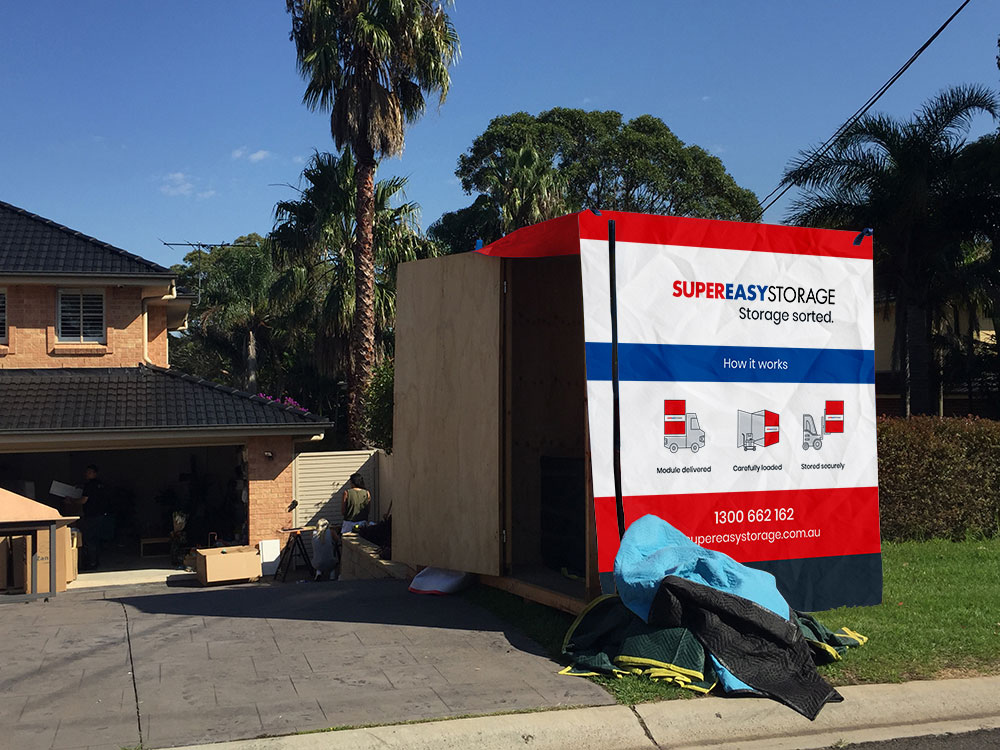
Portable storage is one of the safest storage options available in Australia today. It removes many of the risks found in traditional walk-in facilities because your unit stays sealed, locked, and handled far fewer times. Super Easy Storage’s portable modules are designed with security, privacy, and weather protection built in.
No Shared Corridors or Public Access
Traditional facilities allow people to walk through shared halls, which increases risk. Portable storage is different. Your module remains sealed, with no public access and no shared spaces. Fewer touchpoints create fewer opportunities for theft or interference.
Your Unit Is Loaded and Locked at Your Home
Super Easy Storage brings the module to your address. You load your belongings, you close the door, and you apply your own lock. This gives you complete control and removes guesswork about who has touched or accessed your items.
Units Stay Locked During Transport
Once locked, your unit stays sealed during the entire transport process. The lock is not removed or opened by staff. This is a major trust advantage over traditional storage, where belongings are often moved between lifts, hallways, and floors.
Secure, Monitored Warehouses (Not Public Access)
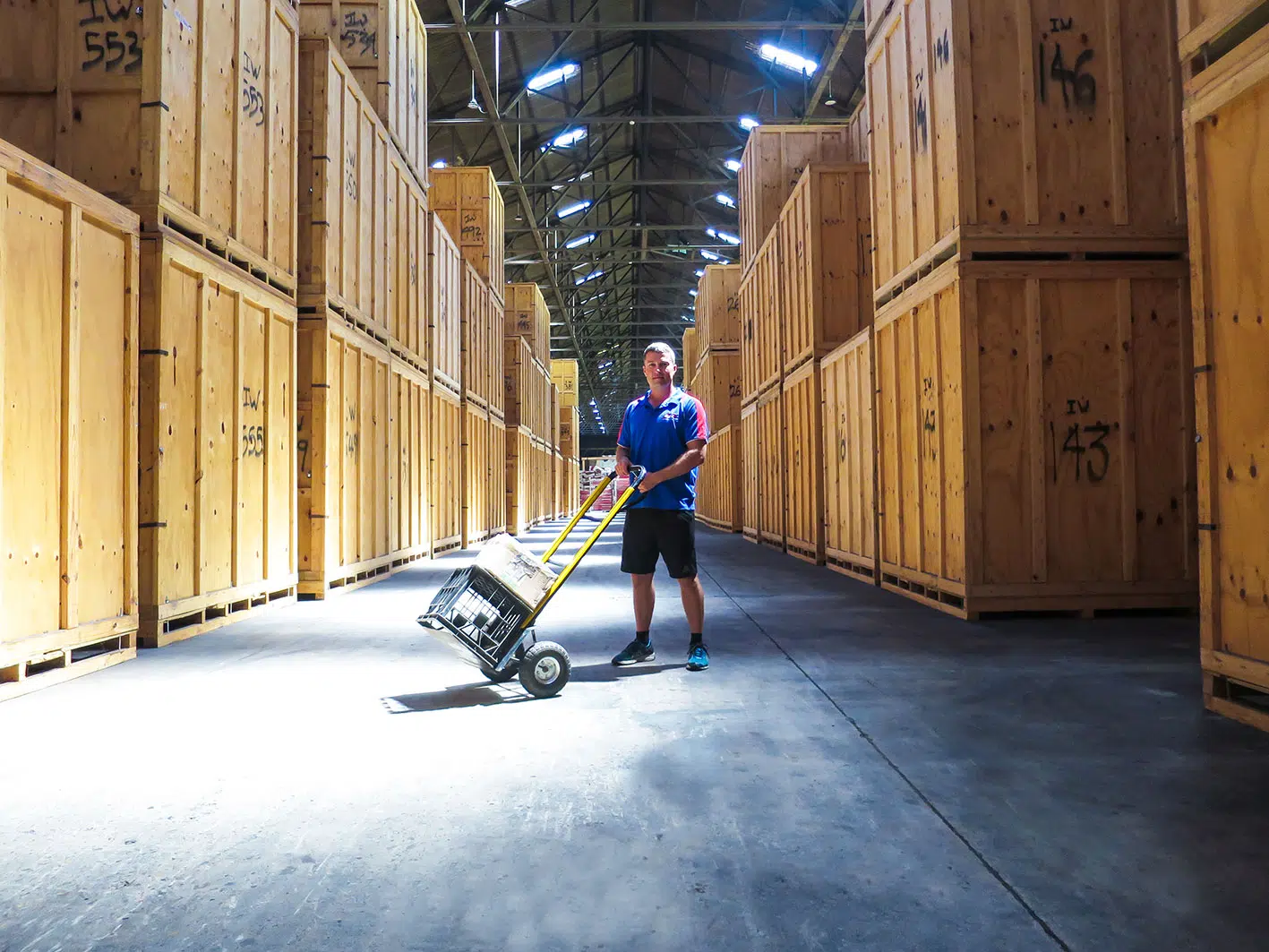
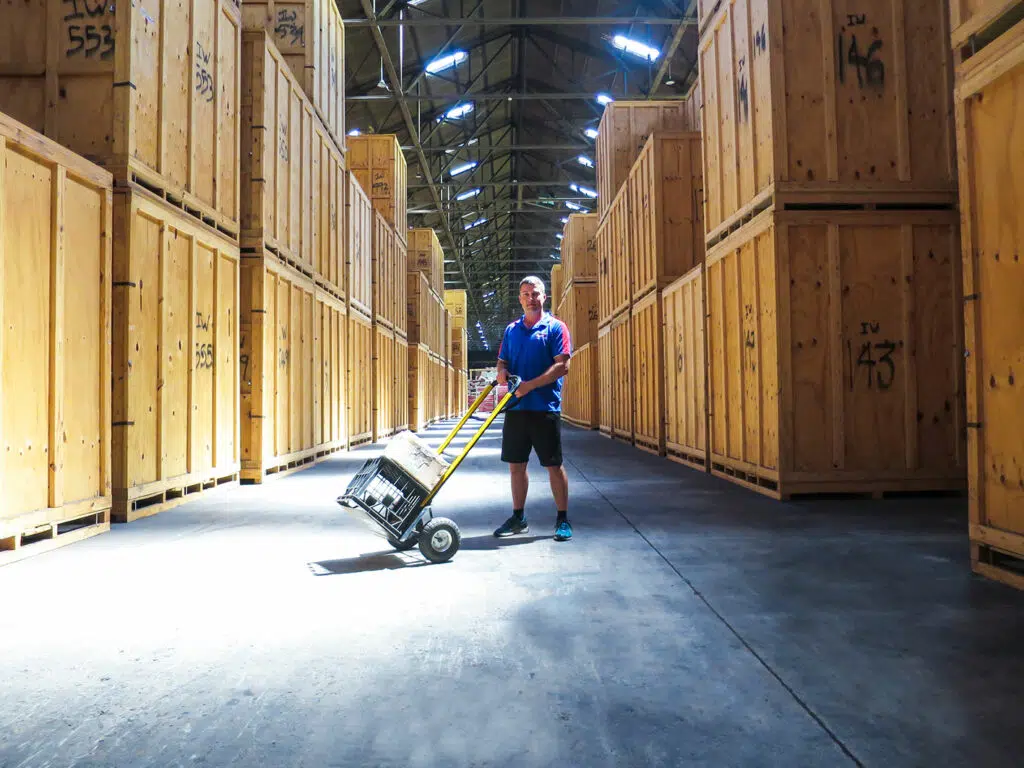
Super Easy Storage stores modules inside restricted-access, CCTV-monitored warehouses. Unlike self-service facilities, these warehouses are not open to the public, reducing the chance of unauthorised entry.

Weather-Resistant, Durable Construction
Portable storage modules are built from strong, weather-resistant materials that withstand Australian conditions. Sealed construction minimises exposure to moisture, dust, pests, and extreme temperatures.
Optional Insurance Add-Ons
Insurance gives extra peace of mind. You can choose additional protection based on the value and sensitivity of your items, creating a tailored safety plan.
Portable storage offers significant safety advantages because it eliminates shared access, reduces handling, and improves privacy compared to conventional self storage.
Choose Secure, Stress-Free Storage With Super Easy Storage
Safe storage starts with choosing a provider that prioritises protection, transparency, and convenience. Super Easy Storage removes the uncertainty by giving you customer-only locks, sealed portable modules, and secure, monitored warehouses that are closed to the public. You stay in control from the moment your module arrives at your home until it’s returned.
If you want storage that feels simple, secure, and designed for modern Australian life, Super Easy Storage is ready to help. Explore flexible options, get transparent pricing, and enjoy a safer alternative to traditional self storage.